
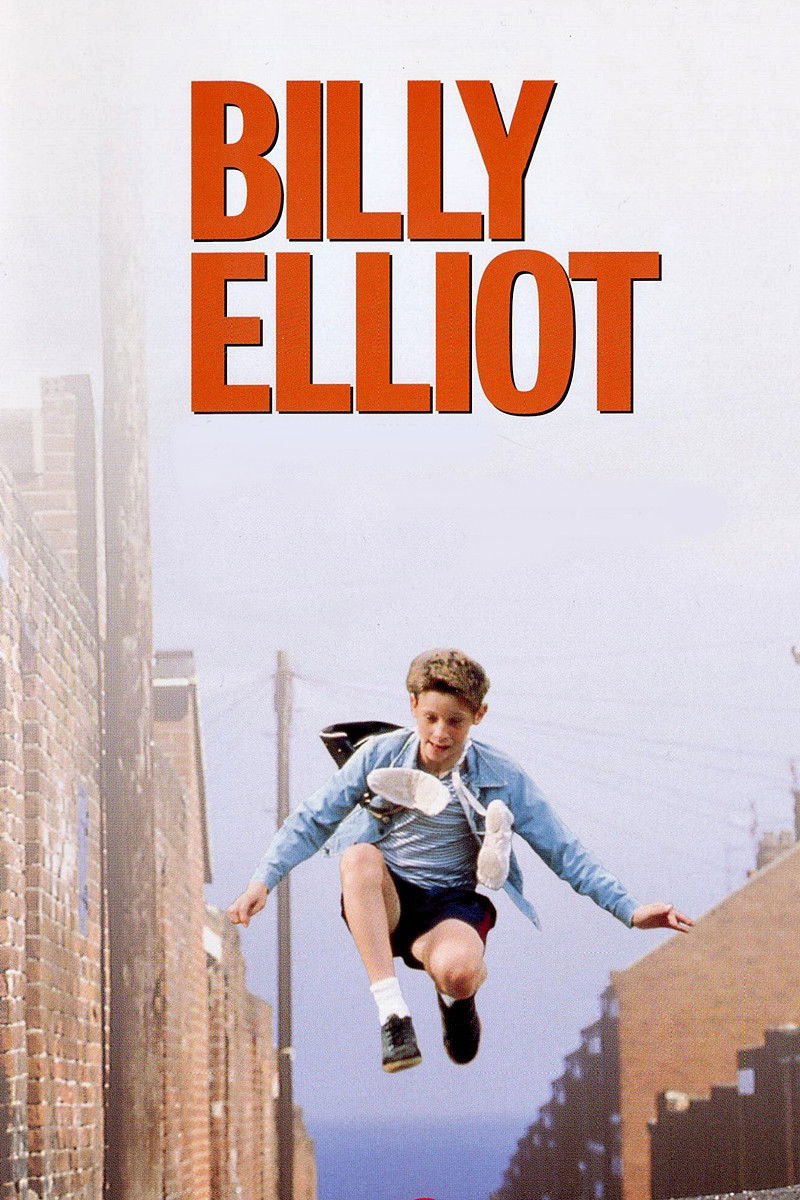
Why This Film Is Beginner-Friendly
When I first watched “Billy Elliot,” I was surprised by how easily I slipped into its world, even though I’d considered myself a stranger to many films labeled as “classics.” What really struck me was its warmth—a feeling that I was being gently invited to witness something genuine, not forced to decode a puzzle. For me, the film was incredibly approachable: it uses everyday language, real human feelings, and honest moments that I could relate to, even though its setting was distant from my own background.
I think a huge part of why “Billy Elliot” is so viewer-friendly is because it’s centered around a personal journey that’s universally recognizable—the search for self-expression. Right away, I found myself rooting for Billy, watching him discover something he loves (in his case, ballet), even though the world around him tries to hold him back. There was nothing stuffy or intimidating about the story. Its heart is as open as Billy’s own curiosity, and I felt that the film was cheering me along with him, not testing my knowledge of film history or style.
The movie’s emotional honesty probably makes it one of the easiest classic-inspired films for beginners. I never felt lost, because the film wears its feelings right on its sleeve. I didn’t need a background in British history or an understanding of the technical elements of filmmaking to enjoy it. I just needed to watch, feel, and relate. That, more than anything, is why I think it’s so welcoming, especially if classic cinema feels daunting.
What to Know Before Watching
- When I first sat down to watch, I hadn’t expected the story to be so closely tied to a specific time and place—the 1984-85 coal miners’ strike in Northern England. Although I didn’t know much about this bit of history, I could sense the tension and hardship from the start. If you’re new to films set in this era, you might notice that the struggle feels ever-present: the closed factories, the protests in the background, even the subdued color palette. It makes Billy’s world feel a bit gray and heavy. But I found that this setting isn’t meant to confuse you; it’s there to make Billy’s journey stand out even more sharply.
- I noticed that the storytelling is a bit different from fast-paced modern blockbusters. “Billy Elliot” takes its time to build up its characters’ relationships, often lingering on daily routines, awkward silences, or small gestures—a glance, a hesitation, a sudden burst of energy from Billy himself. The pacing may feel a bit slower if you’re used to quick, flashy edits. But for me, this was such a gift: it let me really sink into the world and get to know the characters, flaws and all.
- Another thing that caught me off guard was the use of strong regional accents. The characters’ speech is thick with Northern English intonation, peppered with slang that I wasn’t familiar with. At first, I had to tune my ear, but it didn’t take long before I found myself understanding from the emotions rather than the words themselves. If you’re new to British cinema, it might take a little patience in the first few minutes—but for me, it paid off, making everything feel more authentic and immediate.
Key Things to Pay Attention To
Every time I revisit “Billy Elliot,” I find that it speaks to me most powerfully through its characters. I always tell beginners to keep their focus on the people first—their struggles, their triumphs, their moments of frustration and joy. Billy, obviously, is at the film’s center, but I was equally drawn to his father and older brother, each wrestling with their own dreams and disappointments. If you pay attention to how they speak to one another, what they don’t say out loud, you’ll catch shades of love and pain simmering beneath the surface. This, I think, is where the film’s deepest magic resides.
Another layer that I find constantly rewarding is the way the movie uses dance as a language. I realized that I didn’t need to know anything about ballet to connect with Billy’s passion: the choreography, the music, the way the cinematography lingers on a leap or a stumble—all of it tells a story without words. Even in moments when the film isn’t “about” dancing, there’s often movement in the frame: the kids boxing, the adults marching, Billy twirling in the kitchen. Paying attention to these rhythms helped me understand the film’s energy and heart.
I also love how “Billy Elliot” captures the contrast between light and darkness—literally and emotionally. Watch for the way the film moves from dim, cramped kitchens to sparkling rehearsals, from tension-filled arguments to sudden bursts of laughter. These changes mirror Billy’s own journey from fear to self-acceptance, and I found that the visual transitions help me feel what the characters are experiencing, often without a single line of dialogue. If you let yourself follow these shifts, you might feel the emotional currents carrying you along, even before you fully understand why.
Finally, I couldn’t help but notice the soundtrack. For me, the use of classic pop and rock songs, blended with more delicate piano pieces, adds its own emotional undercurrent. The music choices set the tone—sometimes rebellious, sometimes wistful, always perfectly in step with Billy’s journey. I like to listen for how lyrics or melodies echo his struggles, or push him forward when the world seems too tough.
Common Misunderstandings for First-Time Viewers
- Thinking you need to know about ballet – I used to think that only someone with a background in dance or theater could appreciate this film. But I learned quickly that its real message isn’t about ballet at all; it’s about finding your place, no matter how unlikely it seems. The technicalities of dance are there to serve Billy’s expressiveness. I found myself moved not by perfect pirouettes, but by the determination and raw feeling of his movement.
- Assuming it’s a heavy political drama – The setting of the miner’s strike might lead you to expect a mostly grim, political film. I initially braced myself for a history lesson, but what I actually experienced was an uplifting, often funny story focused much more on family bonds and personal growth. The political background adds texture and meaning, but it doesn’t dominate or bury the story’s hopeful spirit.
- Expecting Hollywood-style sentimentalism – My first impressions were that a coming-of-age story with an underdog would fall into predictable “feel-good” territory, full of dramatic speeches or over-the-top victories. “Billy Elliot,” to my relief, avoids these clichés. Its emotions are strong but genuine, sometimes quiet or awkward. I was touched by the humility of the characters and their everyday perseverance, not by any fireworks or forced happy endings.
Is This a Good Starting Point for Classic Cinema?
When friends or readers ask me for a “gentle entry point” into classic movies, I find myself recommending “Billy Elliot” more often than most. I believe it takes everything that makes older, character-driven storytelling appealing—family struggles, personal dreams, big emotions—while wrapping it in a style that feels familiar and emotionally direct to modern audiences. There’s nothing intimidating here; just vibrant characters, moving relationships, and a heartfelt journey that unfolds at its own pace. I think what made it stand out for me as a first classic was how unafraid it was to show vulnerability, conflict, and hope—all with a deep sense of authenticity. Even if you’ve never watched films outside of today’s blockbusters, I’m confident you’ll find plenty to connect with, and perhaps even discover a love for the quieter, richer textures of classic-inspired cinema.
What reassures me the most is the knowledge that “Billy Elliot” rewards attention not with tests of your knowledge or patience, but with warmth and story. I remember feeling welcomed, not challenged, by its world. For me, that’s exactly the sort of film that opens the doors to classic cinema—it offers a handhold, rather than a hurdle. If you’re curious but cautious about stepping into films with more history or a different pace, I can’t imagine a kinder, more heartfelt place to begin.
If you’re wondering how this film compares to others that have stood the test of time, these may help.
🎬 Check out today's best-selling movies on Amazon!
View Deals on Amazon