
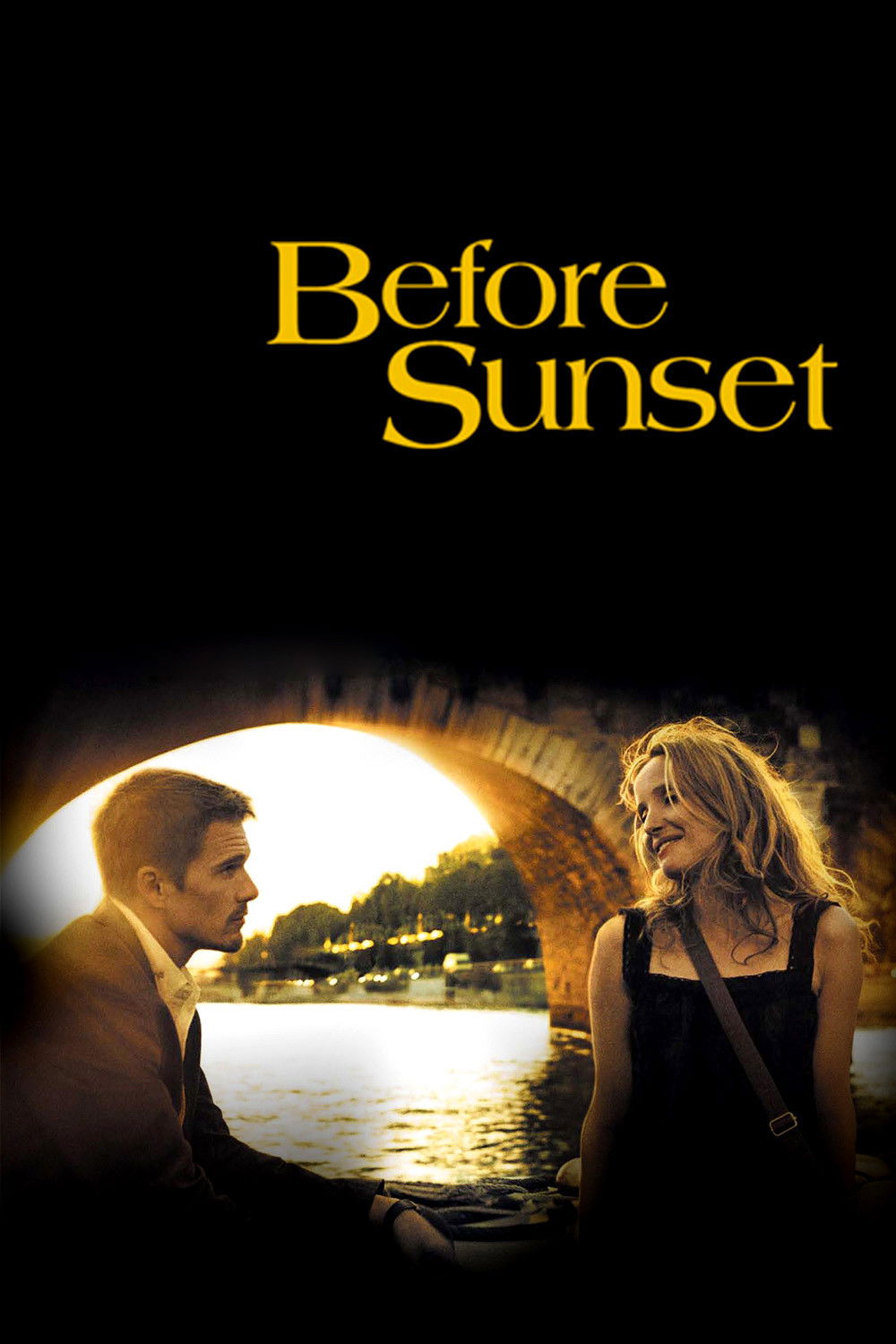
Why This Film Is Beginner-Friendly
I remember sitting down with “Before Sunset” for the first time with only a couple of film classics under my belt. There was something about its gentle naturalness that instantly set me at ease. Unlike some classics that intimidated me with old-fashioned manners or stagy dialogue, I found “Before Sunset” so approachable. I didn’t need to know anything about the era, cinema history, or even the previous film, really—I just needed to listen to two people talk. The film unfolds over a single afternoon, traveling through the heart of Paris in what felt to me like the most honest conversation I’d ever seen on-screen. There are no wild special effects, no complicated plot twists to keep up with, and no heavy-handed symbolism that left me scratching my head. It was simply two people reconnecting after years apart, which made it feel inviting instead of overwhelming.
What made it so accessible for me as a beginner was how modern it felt, even though it is now considered a “classic.” There’s this relatability in the way the characters talk, revealing their feelings, regrets, and hopes with a rawness that still feels fresh. I appreciated how there were no visual barriers—no black and white photography, no old-fashioned costumes or sets—which lowered the wall of unfamiliarity for me. It was as if I could easily step into their world and follow along. Having gone on to watch a lot more classic films, I often recommend “Before Sunset” as a soft landing for newcomers because it doesn’t ask you to decipher anything complicated; it just asks you to listen and feel along with its characters.
What to Know Before Watching
- The style might feel very conversational and “talky”—the entire film is really just one long dialogue, almost like eavesdropping, rather than the quick-cut action of many blockbusters.
- You’ll notice a slower, real-time pace and very few dramatic plot points. I found the experience more meditative and gentle, which was very different from fast-paced editing or grand visuals you might expect from recent films.
- The film was made as a sequel to “Before Sunrise” (1995), but I personally didn’t need to watch the first movie to follow along. There are references to their past, but it’s handled with enough care that I quickly caught up and became invested in their dynamic without any confusion.
- Paris is shown not as a postcard-perfect tourist spot, but almost as a lived-in character. The city feels natural and present without being romanticized to the point of distraction.
- You might be surprised by how open-ended the story feels at the end. When I first watched it, I remember hoping for clear answers—and realizing that sometimes it’s okay to finish a film with some uncertainty.
- The movie’s emotional impact builds quietly. If you’re used to films that “tell you” when to feel something, through a dramatic score or visual cues, you might find the subtlety here different, but deeply rewarding.
Key Things to Pay Attention To
From my first viewing, I realized quickly that “Before Sunset” isn’t about events, but about people. As I watched, I paid very close attention to the way Jesse and Celine—the two central characters—shift between being guarded and being open. Their tiny gestures, the hesitation before an answer, the way they avoid eye contact during vulnerable moments: all these tell as much of the story as their words. I loved watching the emotions flicker across their faces as memories came up, or when a long-held feeling finally surfaced. For me, the truth in this film came from the things left unsaid, those gaps and half-sentences that show just how much two people can mean to each other, even after years apart.
I also learned to look at the film as a real-time journey—not just through Paris, but through emotional terrains. Every few minutes brings a slight shift in how Jesse and Celine relate to one another: from nervous small talk to full confessions. Watching these changes felt like peeling back layers. Their conversations may start with the superficial (“How have you been?”) but soon, the dialogue dives into what they dream about and the disappointments that have shaped their lives. This gradual deepening felt both natural and exhilarating to me, encouraging me to stay engaged, even in the quietest moments.
Another crucial thing I realized is the movie’s use of location. While Paris is always present in the background, it doesn’t demand attention; it acts as their silent companion. I liked keeping an eye (and ear) out for how the sounds of the city or glimpses of passing strangers seemed to blend into the film’s mood—Paris almost becomes a silent character, quietly shaping their conversation. It reminded me to always watch what’s happening just outside of the frame: what the city brings, how the time of day changes the feeling, even the rhythm of their footsteps down the street. The film rewards that sort of gentle observation, rather than asking for loud applause after a big moment.
Common Misunderstandings for First-Time Viewers
- Misunderstanding 1 – Thinking “nothing happens” because there is little action. I used to expect a movie to “do” something in a traditional sense—fights, chases, big gestures. Here, the emotional stakes are the real action. The shifts in their conversation, the decisions not taken, and the honesty that slowly leaks out are the “events” that make the film quietly gripping.
- Misunderstanding 2 – Believing you must see “Before Sunrise” first. While having that background adds some extra nuance, I honestly felt the story stood on its own. The characters drop enough hints for you to catch up and connect with them as they are, right now. So there’s no need to delay watching while you track down the earlier movie.
- Misunderstanding 3 – Expecting Paris to be the star attraction. I admit I was prepared for swooning shots of the Eiffel Tower or candlelit cafes but found instead that the city is presented matter-of-factly, more as background than postcard. I learned that the film is about the people, not just the place, and this allowed me to feel the city “with them” rather than as a distraction.
Is This a Good Starting Point for Classic Cinema?
If you’re dipping your toes into classic film for the first time, I honestly can’t imagine a gentler or more rewarding invitation than “Before Sunset.” What makes it truly special for me is how easy it is to slip into—the film’s style never puts up barriers, never talks down to you, and never insists that you already know how to “read” old films. It replaced my nervousness with real curiosity, making me not just want to watch more classics, but to truly listen and engage with all kinds of movies in a new, attentive way.
The beauty of “Before Sunset” is that it finds extraordinary meaning in ordinary life. If you’ve ever had a friendship or love that lingered over the years, if you’ve wondered about the road not taken, or if you simply want to see two people open up honestly about longing and regret, you’ll feel right at home here. The film felt more like sitting across from a friend in a cozy café, listening to a conversation that flowed so naturally it was easy to lose myself in it. I think that’s exactly what makes it so unintimidating for newcomers: No rulebook is required. It’s a gateway into cinema that prioritizes emotion and authenticity above all else—so if you’re nervous about classic films being too distant or “not for you,” give this a try. It might just change your mind about what older movies can feel like.
I’ve found that “Before Sunset” gently encourages you to pay attention, to treasure the quiet and the subtle, and to recognize that sometimes, the most thrilling movie moments are the ones that reveal something you didn’t know about yourself. If that sounds appealing, I truly believe you’re starting at the perfect place.
If you’re wondering how this film compares to others that have stood the test of time, these may help.
🎬 Check out today's best-selling movies on Amazon!
View Deals on Amazon