
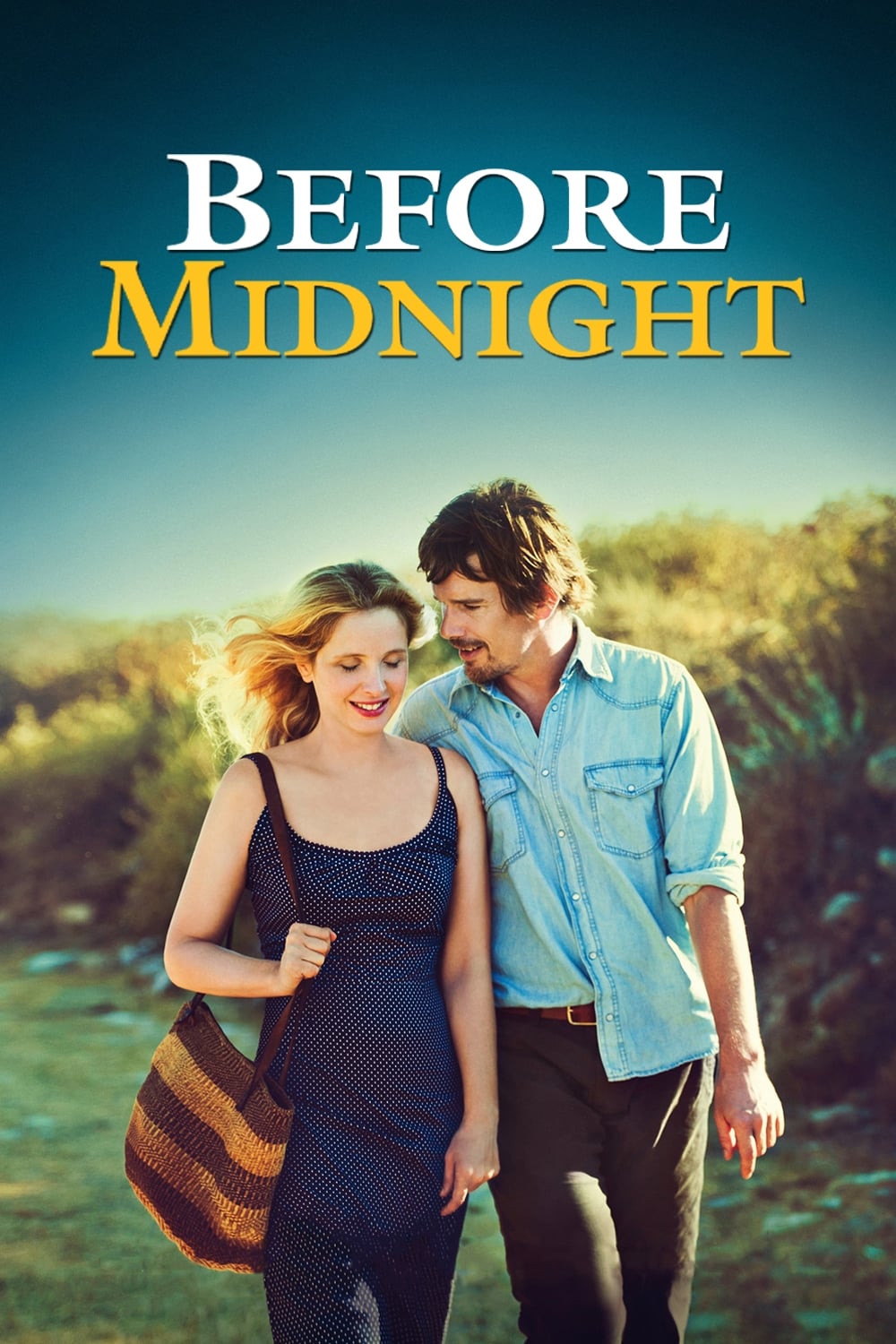
Why This Film Is Beginner-Friendly
When I first watched this film, I remember being disarmed by how natural the conversations felt—almost as if I’d wandered into someone else’s life and been invited to stay a while. If you’re just dipping your toe into classic cinema, I think this film is a great way to ease in. Unlike some older classics that might rely heavily on complex plot twists or grand visuals, I find this one thrives on the power of everyday talk and raw emotion. The characters’ conversations feel unscripted and authentic, which made me forget I was watching actors at times. There’s a kind of intimacy in the way the story unfolds that draws me in without feeling overwhelming. It doesn’t demand background knowledge about classic filmmaking or a deep appreciation for cinema history, so I never felt lost or out of my depth. Instead, it simply asks me to pay attention and let myself get wrapped up in the joys and heartaches of human connection.
What I especially love about this film as an entry point is how it blends relatable relationship struggles with beautiful scenery, offering a balance between personal drama and travelogue. The natural dialogue and realistic pacing reminded me that classic films don’t always have to feel “old” or distant—they can resonate with the here and now, even if they come with a legacy. For anyone a bit nervous about venturing into so-called “serious” cinema, I’d reassure you that you don’t need an advanced degree in movie-watching to appreciate what’s happening. If you’ve ever spent an evening lost in conversation, you’re already equipped to get something out of this movie.
What to Know Before Watching
- Unlike a lot of high-energy modern movies packed with action or rapid edits, this film takes its time, focusing on long, uninterrupted scenes. The camera lingers, drifting alongside the characters as they move and talk, which can require a little patience at first.
- This movie is actually the third part of a trilogy, but I personally never felt left behind starting with this entry. Some references may allude to the characters’ past, but it isn’t essential to see the earlier films before jumping in. Still, it adds a layer of history you might pick up on.
- Conversations drive the story far more than any major events or visual spectacle. The plot is less about what happens and more about what’s said, felt, and sometimes left unsaid between two people who know each other deeply.
- The setting—a sun-soaked European countryside—has a relaxed pace that’s quite different from a bustling city backdrop or a frantic adventure. I found this calming, yet if you’re expecting explosive drama, you may be surprised by how quiet and everyday things can feel.
- Emotional honesty is at the heart of the film, and some discussions between the characters might feel surprisingly intimate or even uncomfortably real. I find that this vulnerability is what brings the story to life, but it can be a new experience if you’re used to more polished, surface-level exchanges onscreen.
Key Things to Pay Attention To
Whenever I revisit this film, I notice it rewards the kind of viewer who’s willing to listen closely, not just to the words, but the silences that fill the gaps. I’d encourage anyone watching for the first time to simply tune in to how much is communicated outside of dialogue: a glance, a shift in body language, or the tension that grows in a quiet pause. Even if you don’t catch every nuance at first, you’ll be surprised how much you can feel your way through the story.
It’s the ebb and flow of conversation that really stands out to me. I love listening for how history and familiarity shape the way the characters speak to each other—how jokes turn into arguments, and small talk transforms into soul-baring confession. These are the moments where I find myself holding my breath, waiting to see where a simple comment might lead. The honesty in their exchanges—both the loving and the difficult—has always resonated with me on a personal level.
I also try to pay close attention to the setting and how it reflects or affects the emotional state of the characters. The landscape feels like a living part of their relationship, sometimes enhancing the romance and sometimes underscoring tension or isolation. Watching how the camera moves with the characters—with gentle tracking shots and long takes—I find myself drawn further into their world. I get the sense that even though very little “happens” in the way most movies define action, there’s always something unfolding internally. The film rewards the kind of gentle, curious observation that you would give a real relationship.
If you’re someone who loves people-watching or enjoys pondering what makes relationships work (or not), you’ll likely find plenty to sink your teeth into here. Try to let go of expectations about plot twists or big revelations—what’s most meaningful sometimes happens in a single sentence, or in the way two people look at each other when no one else is watching.
Common Misunderstandings for First-Time Viewers
- Misunderstanding 1 – Some viewers (myself included, the very first time) might expect a clear-cut story arc with a neat resolution. In truth, I learned that this film, like real life, isn’t about neat endings. The pleasure comes in witnessing the messiness of ongoing conversation and the small shifts between people who share a life.
- Misunderstanding 2 – I know I once expected the film to be a typical romance, all sweetness and light. Instead, I soon saw it’s much more nuanced. The relationship on screen is full of affection, but also raw honesty, disappointment, and frustration. What mattered to me was how real it all felt, not filtered through movie clichés.
- Misunderstanding 3 – It can be tempting to think the film is just “talking and walking” and nothing else. After reflecting on my first viewing, I found that the talk itself is the action—the arguments, reconciliations, and moments of vulnerability drive the story forward. Paying attention to how the characters engage with each other revealed it’s anything but static or uneventful.
Is This a Good Starting Point for Classic Cinema?
I absolutely believe this film is a welcoming gateway for anyone considering a journey into classic or celebrated cinema. When I recommend it to friends new to the genre, I point out just how refreshingly human and accessible it feels. There’s something deeply inviting about a film that lets us into a couple’s lived-in world and doesn’t demand we arrive with an encyclopedic knowledge of film history.
For me, the beauty of starting here is that you can jump in without fear—there’s no pressure to “get” obscure references, or to analyze every shot for hidden meaning. It’s about experiencing the thrill and challenge of two people navigating love and time together, a universal story that felt immediately relatable to me. The film is thoughtful, but never intimidating. It offers honest reflection on life and relationships, the kind you might have over a cup of coffee with a close friend. That warmth and familiarity is what makes it such a lovely introduction to the idea that “classic” films aren’t just relics—they’re living stories, just waiting for us to see ourselves within them.
If this film piques your interest, it can open the door to exploring other works with similar depth and heart. Watching it left me feeling more curious—not just about what came before in its series, but also what else the world of classic cinema had in store. For anyone with a bit of patience and a desire for honest storytelling, I can genuinely say this film is as welcoming a beginning as any I’ve found.
If you’re wondering how this film compares to others that have stood the test of time, these may help.
🎬 Check out today's best-selling movies on Amazon!
View Deals on Amazon