The First-Time Viewing Experience
As soon as I let the opening notes of “Beauty and the Beast” drift over me, I felt transported to another world—a world that blended the innocence of childhood fantasy with hints of bittersweet reality. Watching this film for the first time today, I found myself struck by how seamlessly it invites both awe and comfort. Even before the story unfolded, there was something about the lavish animation, the painterly backgrounds, and those swelling orchestral themes that immediately softened any skepticism. I noticed right away that the film’s magical atmosphere isn’t just nostalgia for those who grew up with it; it’s genuinely enchanting, even for someone encountering it decades after its original release.
I remember expecting a familiar fairy tale, but what I actually felt was a kind of gentle surprise—there’s vulnerability and sincerity in every scene, as though the animators and storytellers poured their own longing for connection and understanding into each movement and melody. For a first-time viewer, the progression from playful village life to the brooding majesty of the Beast’s castle offers a journey that’s at once visually dazzling and emotionally textured. I didn’t just observe Belle’s curiosity or the Beast’s torment; I shared in their hesitant hope, their growing courage, and their aching sense of loneliness relieved by first friendship. There’s a rare intimacy here, as though the film holds space for the viewer’s own dreams and fears right alongside those of its characters.
What astonished me most was how unselfconsciously the film revels in its artistry. Each frame seems painted with intention—candles flicker warmly in dark halls, petals fall with delicate suspense, and villagers’ faces come alive in chorus and crowd scenes, inviting me to look closely. That sense of hand-crafted care is infectious, making me want to pay attention not only to the spectacle, but to the subtle shifts of light and emotion. Watching “Beauty and the Beast” for the first time, I realized I wasn’t just absorbing a story: I was being invited to feel wonder without apology, to allow delight to sit beside melancholy in a way that’s rare in modern cinema.
Despite knowing the broad outlines—a romance between a clever dreamer and a cursed prince—the film surprised me with how funny, aching, and sincere it could be. I found myself laughing at Lumière’s charm, wincing at Gaston’s arrogance, and quietly moved by Belle’s longing for something more. For a newcomer, these first-time feelings are anything but stale; every musical number and character reveal carries a freshness that transcends its age. This is a film that rewards unguarded hearts, meeting a new viewer’s openness with generosity and grace. There’s something quietly radical about how, for all its grandeur, it finds meaning in everyday acts of kindness, disappointment, and hope. My first viewing left me with the sense that “Beauty and the Beast”—when watched with honest eyes—opens facets of feeling I didn’t know I still possessed.
Emotional Moments That Resonate
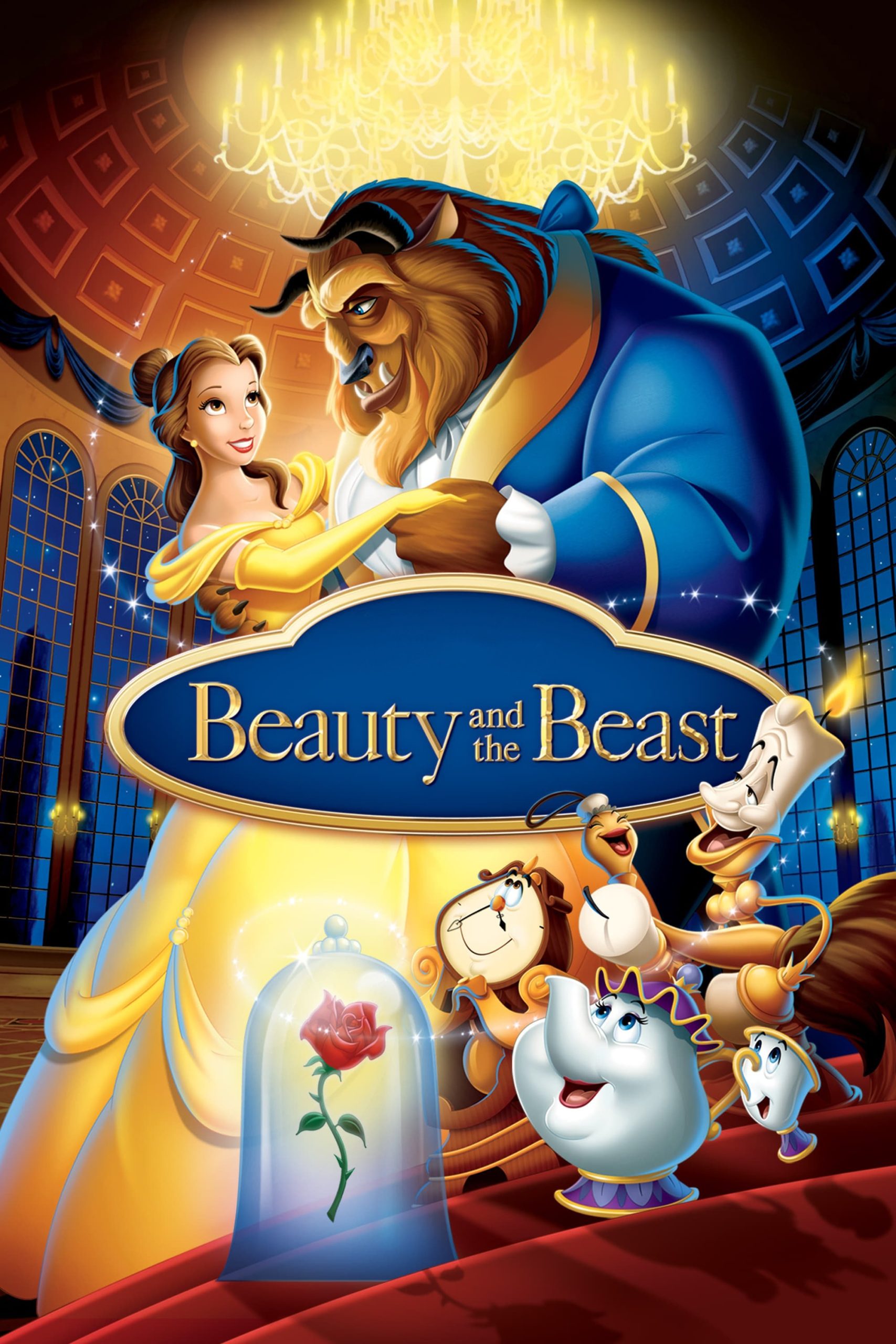
I’m still surprised by how deeply certain moments from “Beauty and the Beast” continue to ripple through me days later. There’s a scene midway when Belle, dressed in that iconic golden gown, descends the grand staircase as the Beast waits in nervous anticipation. I expected spectacle and song, but what I really felt was a tremor of vulnerability—his awkward hope, her tentative acceptance, echoed by the lilting notes of the title ballad. The film doesn’t rush these emotions; instead, it lingers, letting me savor the nervous heartbeat of a first dance, the thrill of seeing someone truly revealed for who they are. That moment of shared uncertainty became, for me, the emotional centerpiece of the entire film, a visual poem about how difficult and beautiful it is to reach across difference.
Equally profound is Belle’s relationship with her father, Maurice. I found their bond unexpectedly touching; the way she looks at him with real affection, not condescension, and how his belief in her shapes so much of her courage. There’s a tenderness here—a reassurance that love need not be dramatic to matter. The scenes of Belle sacrificing her freedom for her father’s safety didn’t just tug at my heartstrings; they underscored the complexity of selflessness and the silent strength of familial love. These moments resonated for me as reminders that heroism often springs from small, everyday sacrifices, not just grand gestures.
I also recall the Beast’s transformation—not merely at the film’s climax, but throughout his slow journey from rage and despair to humility and openness. For all its magical trappings, I sensed a very human struggle in his attempts to change. When the Beast allows Belle to leave the castle so she can save her father, I felt an aching recognition: that true love is often fiercely unselfish, demanding the courage to let go. The poignancy of this scene, underscored by swelling music, made me reflect on all the times letting someone go is an act of deep care. I don’t think I was expecting to be so moved by what is, at its heart, a lesson about empathy and redemption.
All around the main story, small but powerful moments caught me off guard. The household objects’ delightful camaraderie, Mrs. Potts softly singing to both adult and child, Belle’s solitary walks in the woods—all blend into a tapestry of feeling that is equal parts joyous and emotionally honest. Having watched the film in an era bombarded by irony, I found its genuine, earnest expressiveness almost disarming. “Beauty and the Beast” reminded me that films don’t need to be guarded or self-aware to connect across generations; sometimes, the most enduring power lies in allowing sadness, longing, happiness, and hope to coexist unabashedly. For modern viewers, these moments are a gentle invitation to reflect on how love, loss, and transformation continue to shape our lives—no matter how long ago the story was told.
How to Appreciate This Film Without Prior Knowledge
One of the most encouraging discoveries for me was how accessible “Beauty and the Beast” felt, even without encyclopedic Disney knowledge or a background in animation appreciation. I walked in expecting to feel an outsider to some “classic” experience, but I realized right away that the film doesn’t demand anything of me except curiosity. I didn’t need to have seen earlier versions of the story, or even to know the songs by heart—what mattered was my willingness to meet the film halfway, to let myself respond to its sincerity.
In fact, I experienced the movie as a kind of warm welcome, gently guiding me into its world regardless of whether I recognized the musical cues or story tropes. The film’s timelessness isn’t rooted in nostalgia, but in universal emotions that need no prior context: longing for connection, fear of rejection, hope that people can change. I noticed that the animation, rather than showing off, invites attention—inviting new eyes to linger on colors, movements, and facial expressions that convey feeling more powerfully than lines of dialogue ever could.
Music plays an especially crucial role here, but I was relieved to find I didn’t need to recognize every lyric or motif to be moved. The songs are woven seamlessly into the story, each one expressing a feeling or a hope that’s immediately understandable. “Something There” struck me as a simple anthem of curiosity and surprise—the sound of two lonely people stumbling toward trust. “Be Our Guest” drew laughter and delight; it’s impossible to resist the sheer exuberance of dancing cutlery and candlesticks. For someone completely new to Disney musicals, watching these numbers unfold was less about catching references, and more about experiencing a story told in an utterly joyful, immersive way.
What helped me most as a first-time viewer was letting go of the pressure to “get” any hidden meanings or thematic analyses. This is a film that rewards openness; its greatest pleasures come not from cleverness but from a willingness to engage emotionally. I found that simply letting myself watch with unguarded curiosity—picking up on Belle’s skepticism, the Beast’s awkwardness, the townspeople’s pettiness—made every scene richer and more rewarding. Rather than catering to die-hard fans alone, “Beauty and the Beast” remains a film that extends its hand gently, inviting anyone, no matter their background or expectations, to join in the experience of wonder and transformation.
So, if you’re new to this film and worried you won’t pick up on some unspoken rules, I want to assure you: all that’s really required is a readiness to be moved. The story’s power lies in how it welcomes each viewer’s individual reactions, whether that’s laughter, awe, or quiet recognition. In my experience, “Beauty and the Beast” doesn’t test your knowledge—it rewards your willingness to feel.
Who This Film Is Best Suited For
- Dreamers and romantics searching for stories that value empathy and hope over cynicism
- First-time animation viewers curious about classic hand-drawn artistry and musical storytelling
- Anyone longing for a gentle, restorative escape that honors both complexity and innocence
A Beginner’s Final Recommendation
If I could speak directly to someone on the verge of their first viewing, I’d say: let yourself be surprised. “Beauty and the Beast” isn’t simply a beautifully drawn fairy tale or a relic of the past; it’s a rare invitation to rediscover wonder, vulnerability, and honest feeling. My own journey with the film taught me that, regardless of age or prior experience, anyone can find pieces of themselves in its compassionate gaze. The film doesn’t care about expertise—it cares about reaching out, about offering comfort and transformation through music, color, and story.
I remember sitting through the last, luminous frames, not ready for the spell to break. The film left me with questions and consolations: What does it cost to truly change? Can kindness really transform even the most wounded hearts? I found myself reflecting on how hope and forgiveness always remain possible, even when the world feels narrow or cruel. As someone who didn’t grow up with this movie as a touchstone, I found myself welcomed into a community of feeling—one that values patience, imagination, and the kind of courage that grows quietly, scene by scene.
My advice for any first-time viewer is simple: watch with your heart open, your expectations set aside. Let Belle’s yearning ignite your own, let the Beast’s struggle for redemption offer consolation for your own regrets. Allow the music to carry you past cynicism and into the arms of a story that celebrates growth, generosity, and acceptance. You don’t need to know anything ahead of time—except that, sometimes, the oldest stories ring truest when we listen with new ears.
To understand whether timeless appeal still resonates today, modern reassessments are worth exploring.
🎬 Check out today's best-selling movies on Amazon!
View Deals on Amazon