
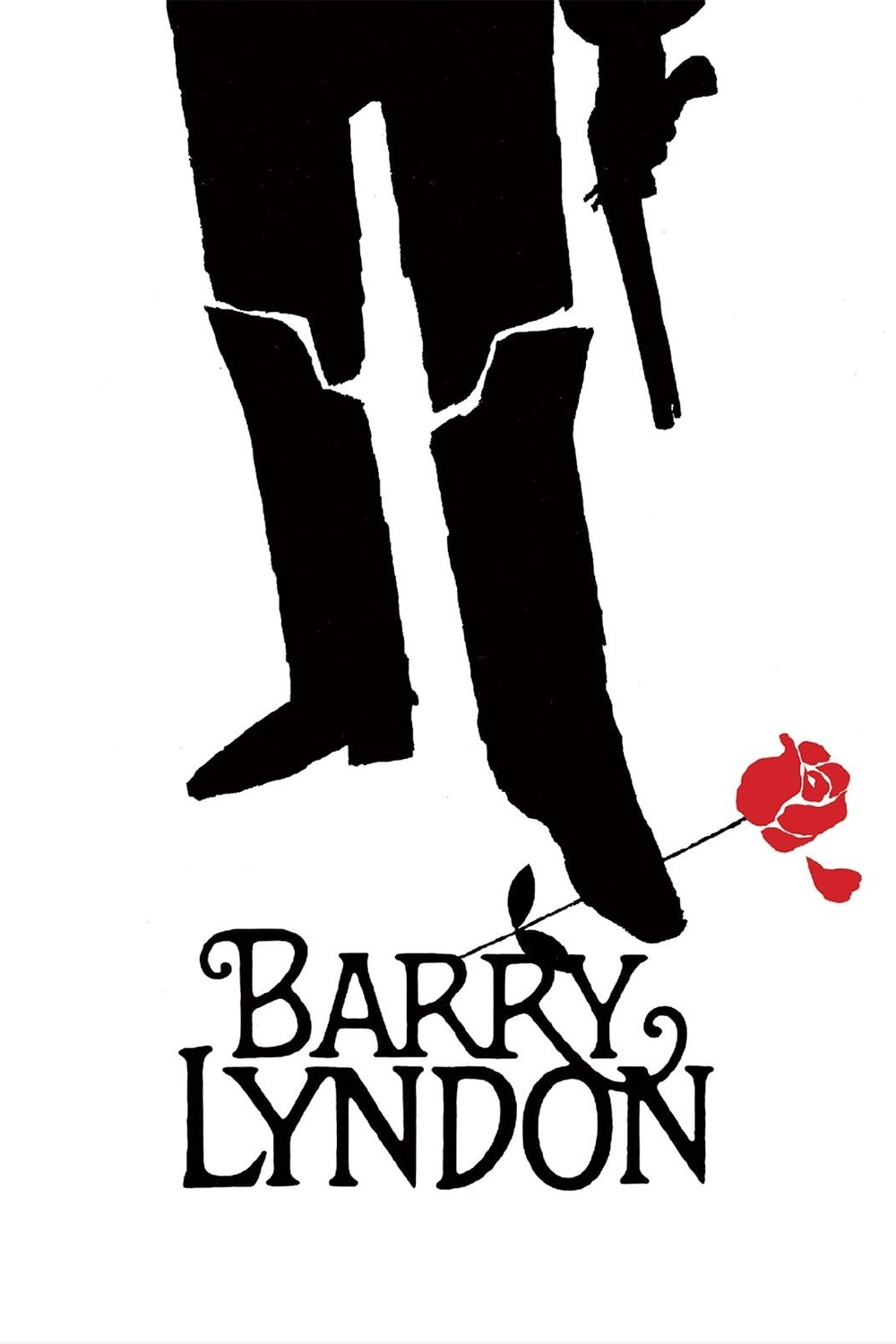
The First-Time Viewing Experience
Slipping into Barry Lyndon for the very first time reminded me of wandering into a forgotten gallery: silent, grand, and exquisitely lit, where every masterpiece almost dares me to linger a little longer. I remember vividly how the opening frames swept across the Irish countryside, bathed in that cool, candlelit glow, and I felt a brief moment of self-doubt—would I understand what all the lingering shots and patient pacing were asking of me? There’s a quiet tension in that first watch, a sense that I was stepping into something both beautiful and intimidating, as if the film’s reputation preceded it, and I was about to cross the threshold of an experience revered by cinephiles for decades.
I found myself oscillating between awe and curiosity, never quite sure where the story would carry me next. The way Stanley Kubrick constructs each moment—with exquisite care, sometimes holding a gaze for just a beat beyond comfort—made me fully aware that I was in the hands of a director with unwavering confidence in his vision. My first journey through the film wasn’t simply about following the misadventures of Redmond Barry; instead, what remained with me longest was a growing intimacy with the film’s rhythm. At first, I worried the formality, the meticulousness, might keep me at arm’s length, but I soon recognized it as an invitation. By the film’s second act, I realized I was ready to surrender myself to Kubrick’s methodical unfolding of fate. There’s something exhilarating about letting go of expectations and simply absorbing the surface details—the brush of velvet, a quiver in someone’s voice, the moss underfoot in a dueling field.
One honesty I cherish about my first watch is how the story’s deliberate slowness transforms from a hurdle into a portal. Rather than racing through plot, I became acutely aware of my own heartbeat slowing to meet the film’s. There’s uncommon delight in noticing details usually lost in modern quick-cut cinema; I recall watching dust motes dance in shafts of light as characters wandered the echoing halls, or catching a fleeting, ambiguous glance across a ballroom. Barry Lyndon demands patience, but it offers a rich, sensorial tapestry in return. By the halfway point, I was surprised to discover a deepening empathy for Barry himself, flawed, misguided, endlessly searching—his world not so distant from mine after all.
The first time I watched, I was unsure if I was understanding everything in the “right” way. But eventually, all the elegant compositions and interludes helped me realize: this film isn’t a test to be passed, but a living, breathing work to be felt. On that first encounter, I carried away a strange and lasting melancholy, and a gentle sense of awe, as if I had left that gallery changed by having walked its hushed corridors. The real magic, for me, was discovering that a film so visually meticulous could awaken so many raw, human thoughts and emotions I hadn’t expected to find.
Emotional Moments That Resonate
What surprised me most during my inaugural viewing of Barry Lyndon were the emotional currents running beneath its still surface. On the page, the narrative appears to dwell in grand historical sprawl, but as I watched, I became profoundly aware of the vulnerabilities and hopes at play in every major character’s heart. One of the earliest pangs of empathy struck me during the departure of Barry from his home. When I saw the naive, almost desperate yearning in his young eyes as he stares back over his shoulder, that mixture of fear and pride resonated unexpectedly with my own longings to escape and to belong somewhere, anywhere, grander than the familiar world I’d known.
One scene that lingers with me is the first time Barry truly realizes the cost of his ambitions. Beneath all the lavish candle-lit banquets and military pageantry, I found something painfully relatable in his moments of loneliness. The sequence where he sits nearly engulfed by the grandeur of his newly acquired home, but visibly adrift from any true warmth or companionship, hit me like a silent lament. It’s in these quieter, unspoken moments—his relationship with Lady Lyndon, strained and tragic, or the way his son’s laughter echoes through the hallways, briefly illuminating his world—where the film draws the most honest tears.
Modern viewers, I believe, still find striking relevance in the film’s exploration of status, fate, and the fragile architecture of family. Watching Barry’s ambitions both elevate and destroy him, I was reminded of the persistent human urge to reinvent oneself, no matter the emotional toll. The duel scenes—especially the final one, with its tremulous mix of fear, pride, and a heartbreaking sense of inevitable loss—shot straight through me. Kubrick resists hyping up the violence, instead letting the quiet horror of the characters’ choices settle in the air. Even now, I recall feeling my chest constrict with empathy and dread as I watched these rituals unfold, painfully aware that, for each character, the outcome would shape the remainder of their existence.
The emotional resonance, for me, is not just in the high drama but in the subtle grace notes of disappointment, longing, and fleeting redemption. When Barry’s world shifts from possibility to regret, and his fortunes turn, I felt a profound empathy—not just for him, but for every flawed person who’s ever tried to outpace their past.
How to Appreciate This Film Without Prior Knowledge
I believe one of the greatest gifts Barry Lyndon offers new viewers is the opportunity to be enveloped by its beauty and emotion with zero pressure to “get it right.” When I first watched, I had little expertise in 18th-century history or the technical subtleties of Kubrick’s filmography, and at times, I worried that my lack of knowledge might diminish my experience. In fact, the opposite was true. The film’s visual splendor, from the play of light across banisters to the intricate costumes, is something anyone can lose themselves in, regardless of background. I realized early on that the richness of its design and the quiet intensity of its characters spoke more to universal human feelings than to any private club of academic understanding.
If ever I felt adrift amid the period mannerisms or the measured pacing, I reminded myself to relax and take it as an act of observation rather than decoding. There’s no special preparation needed, no pop quiz on the Napoleonic Wars or camera techniques. The film’s painterly compositions are welcoming; I remember feeling as though I was being drawn into a living tableau at every turn. Over time, I stopped worrying about what I might be missing and instead leaned into the tactile pleasures on screen: the lilt of a harpsichord, the glow of candlelight, the subtle tremor of emotion in a silent exchange. Even if some of the historical allusions went over my head, the drama spoke plainly, and the characters’ struggles felt utterly contemporary in their ambition, envy, and heartache.
If anything, watching Barry Lyndon with an open heart is the most rewarding way to experience it. My best advice as a fellow newcomer would be to let go of perfectionism and allow yourself to drift through the film’s world as you would through a novel you’re reading for pleasure. I found that the satisfaction lay not in mastery but in discovery—in the little surprises, the moments of beauty, and the sense of wonder that comes from letting a film unfold at its own pace. This is a film that patiently opens itself to viewers who trust it enough to simply look, listen, and feel without prejudice.
Who This Film Is Best Suited For
- Those who adore cinematic artistry and want to immerse themselves in atmospheric visuals.
- Viewers seeking thoughtful, emotionally complex stories about ambition, love, and loss.
- Anyone willing to experience a film at a slower, more meditative pace and open to being surprised by subtlety.
A Beginner’s Final Recommendation
After experiencing Barry Lyndon for the first time, I found myself grateful for having allowed the film to wash over me, unfiltered by expectations or prior knowledge. The film asks you not for expertise, but for presence and curiosity. I discovered that it rewards this approach not with easy answers but with an astonishing depth of feeling—sometimes gentle, sometimes wrenching, but always true. There’s a unique serenity in allowing a movie to set its own tempo, especially one as visually and emotionally immersive as this; by the end, I felt as if I had traveled generations, lived vicariously through grand triumphs and quiet defeats, and come out the other side with a new appreciation for how cinema can mirror the contradictions of life itself.
I would encourage anyone on the fence to let go of any intimidation created by the film’s reputation or running time. What awaits is not an inaccessible relic, but a vivid journey through yearning, beauty, frailty, and the search for meaning—a journey that feels startlingly relevant even today. Sometimes, the greatest cinematic treasures are the ones that ask us to slow down, to breathe, and to notice details we might otherwise miss in the rush of everyday life. In my eyes, Barry Lyndon stands tall among those rare works: a film that refreshes my sense of wonder each time I revisit its world. For anyone willing to meet it halfway, this film welcomes you with open arms, forever ready to share secrets with those brave enough to look beyond the surface.
To understand whether timeless appeal still resonates today, modern reassessments are worth exploring.
🎬 Check out today's best-selling movies on Amazon!
View Deals on Amazon