Why This Film Is Beginner-Friendly
I still remember the quiet surprise I felt the first time I watched “Badlands.” It wasn’t the complicated dialogue or fast-moving plot that drew me in—it was just how simply and gently the film invited me to see the world through the eyes of its two lead characters. As someone who once felt overwhelmed by the prospect of watching “The Classics,” I found that “Badlands” eased me into an older era of filmmaking with a remarkably soft touch. The conversations aren’t buried in dated slang, and the acting feels natural—almost understated. I didn’t have to be an expert or train myself to decode every moment. Instead, I could simply experience the story, let the images wash over me, and watch the characters come to life at a pace I could follow.
It’s a film that doesn’t demand you know anything about classic Hollywood or artistic styles. I felt like I was meeting classic cinema in the middle, with a clear, easy-to-follow narrative and a visual warmth that slowly grew more compelling. My experience as a newcomer was free of intimidation—there was no dense symbolism blocking my way or endless references that went over my head. “Badlands” opens its arms to viewers who might be nervous about black-and-white films or rapid-fire dialogue. I was impressed by how smooth and almost contemporary the film felt, making it a fantastic entry point for first-timers.
What really stuck with me was the almost dreamlike quality to the whole story. The movie doesn’t throw history lessons or complicated themes at you right away. Instead, I got to absorb it all naturally—feeling, watching, absorbing, rather than being overwhelmed. I never felt lost, just gently guided, and I think that’s something anyone can appreciate if they’re new to watching classics.
What to Know Before Watching
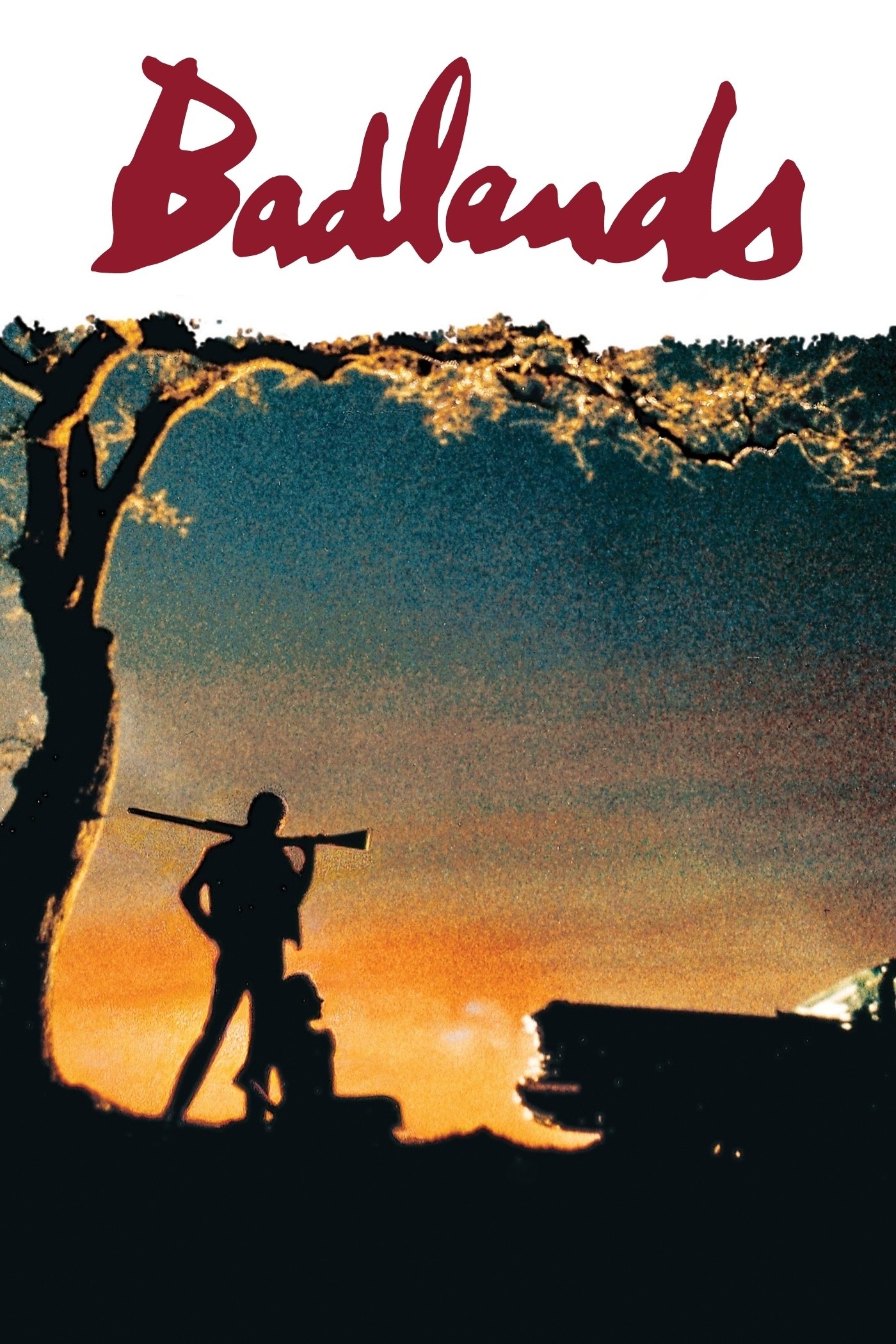
- Historical or stylistic elements that may feel unfamiliar: When I pressed play, I became aware pretty quickly that “Badlands” is set in the 1950s and was filmed in the early 1970s, which means the world it portrays is one I’d mostly seen in pictures and old magazines. The sense of time lingers in everything from the clothes to the cars, but there’s a strangeness about how effortlessly the movie captures that era. I didn’t feel like I had to know 1950s culture in detail, but the tone of the film—almost like flipping through an old photo album—gave me a different sense of what “America” could look and feel like. The voices and mannerisms might be softer and more reserved than what I was used to from modern stories.
- Pacing or storytelling differences from modern films: I’m so used to movies cutting from scene to scene with barely a moment’s pause, but “Badlands” lingers. The camera will rest on a field or skyline, letting the atmosphere settle before sliding into the next event. I found myself noticing those spaces in between more than I expected. If you’re new to classics, it’s good to prepare for a slower pace—it’s not boring, just more patient. Instead of a rush of plot twists, the movie prefers you sit with the characters, feel their emotions, and let the story breathe.
- Anything that might surprise new viewers: What took me off guard was how quiet the film is at times—both in dialogue and action. There are stretches where almost nothing is said, just looks shared or small gestures exchanged. I was also surprised by the gentle, even poetic feeling of the narration. It feels almost like reading a diary or listening to someone remember a distant summer. The violence, when it happens, doesn’t come with loud music or dramatic effects—it comes quietly, which makes it more jarring. For someone new, it’s both disarming and ultimately what makes the movie linger in my memory.
Key Things to Pay Attention To
While watching “Badlands,” I keep coming back to how much the film wants you to simply observe. I’ve found that if I try too hard to analyze, I miss out on the gentle rhythm that draws me in. Instead, I like to let my eyes and ears soak up the story at their own pace. I focus on the characters—not just what they say, but the way they move, the odd silences, the way they look at each other and their surroundings. Kit and Holly, the two leads, are fascinating not because they’re especially clever or charismatic but because I can never entirely predict what they’ll do next. I always pay attention to their childlike sense of detachment, how they seem to exist in their own small world even as events grow more serious.
The movie does so much with what’s left unsaid. I notice the empty landscapes, the way the light falls, and the simple items the characters carry—each one feels charged with meaning if I allow myself to look. The music is another cue I pay attention to; it gently supports the mood rather than overpowering it. There’s a haunting innocence to the narration, which comes from Holly, and I’ve found myself listening closely for the almost naive way she describes what’s happening around her. It’s like hearing a fairy tale with a dark edge—and I remind myself not to expect neat explanations or judgments from her.
I also make a point to watch how the story is pieced together visually. The director, Terrence Malick, relies more on images and mood than big speeches. If I get distracted, I might miss the subtle moments where the movie says the most: a hand brushing over tall grass, a sudden length of quiet in the woods, the strange contradiction between acts of violence and the overwhelming calm that follows. I think the key for any beginner is to relax your expectations, slow down, and let the world of “Badlands” draw you in through feeling, not just through plot points.
Common Misunderstandings for First-Time Viewers
- Misunderstanding 1 – Expecting a fast-paced crime thriller: I’ve talked with friends who thought “Badlands” would be an edge-of-your-seat crime movie, full of action and suspense from start to finish. My experience couldn’t have been more different. The film is inspired by real-life events, but it’s more of a reflection on its characters’ inner lives than a traditional action flick. The slow, almost hypnotic pacing lets everything sink in; it’s not about keeping you at the edge of your seat but about making you really sit and notice what the characters are going through.
- Misunderstanding 2 – Assuming you need deep historical knowledge: I used to worry that classics would be full of references or ideas I’d miss if I didn’t know the period. With “Badlands,” I realized you can go in knowing almost nothing about the era or its history and still find your way. The film’s sense of time and place is important, but it’s used more as a backdrop than a lesson. You’ll pick up atmosphere through the details, not because you need to pass a quiz on 1950s America. For me, connecting with Holly and Kit—and the basic story—never required advanced homework or research.
- Misunderstanding 3 – Taking the characters’ actions at face value: Early on, I caught myself thinking Kit and Holly might just be simplistic “bad guys” or “rebels.” But the more I watched, the more I saw that the film is less about judging them and more about inviting me to see how they process the world. Their decisions are baffling and misguided, but the movie wants you to find their naivete or confusion, rather than just labeling them. I now watch them as two people shaped by loneliness and dreams they don’t fully understand, rather than villains. I think that realization helps any new viewer approach the film with both curiosity and empathy.
Is This a Good Starting Point for Classic Cinema?
If you’ve ever wanted to dip your toes into the world of classic movies but felt daunted or worried that you wouldn’t “get it,” I absolutely believe “Badlands” is an ideal place to start. I found this film to be not only approachable but quietly mesmerizing in a way I didn’t expect. Its simplicity, both in story and execution, gave me space to engage at my own level without feeling lost or pressured to impress anyone with my film smarts. There’s a timelessness in how it communicates feeling—using images, mood, and subtle character moments—that speaks directly to newcomers just as much as seasoned fans.
By starting with “Badlands,” I discovered how classic cinema could be gentle rather than intimidating—a space where a small story told with care can resonate just as much as any modern epic. For me, this movie proved that you don’t need encyclopedic knowledge, technical expertise, or a love of film history to engage with an older film. All you need is a willingness to slow down, listen, and let the story unfold on its own gentle terms. Watching it opened a door that made all sorts of other classic films feel more inviting. If you’re curious about starting your own journey into the classics, I can’t think of a better, more welcoming entry point.
If you’re wondering how this film compares to others that have stood the test of time, these may help.
🎬 Check out today's best-selling movies on Amazon!
View Deals on Amazon