
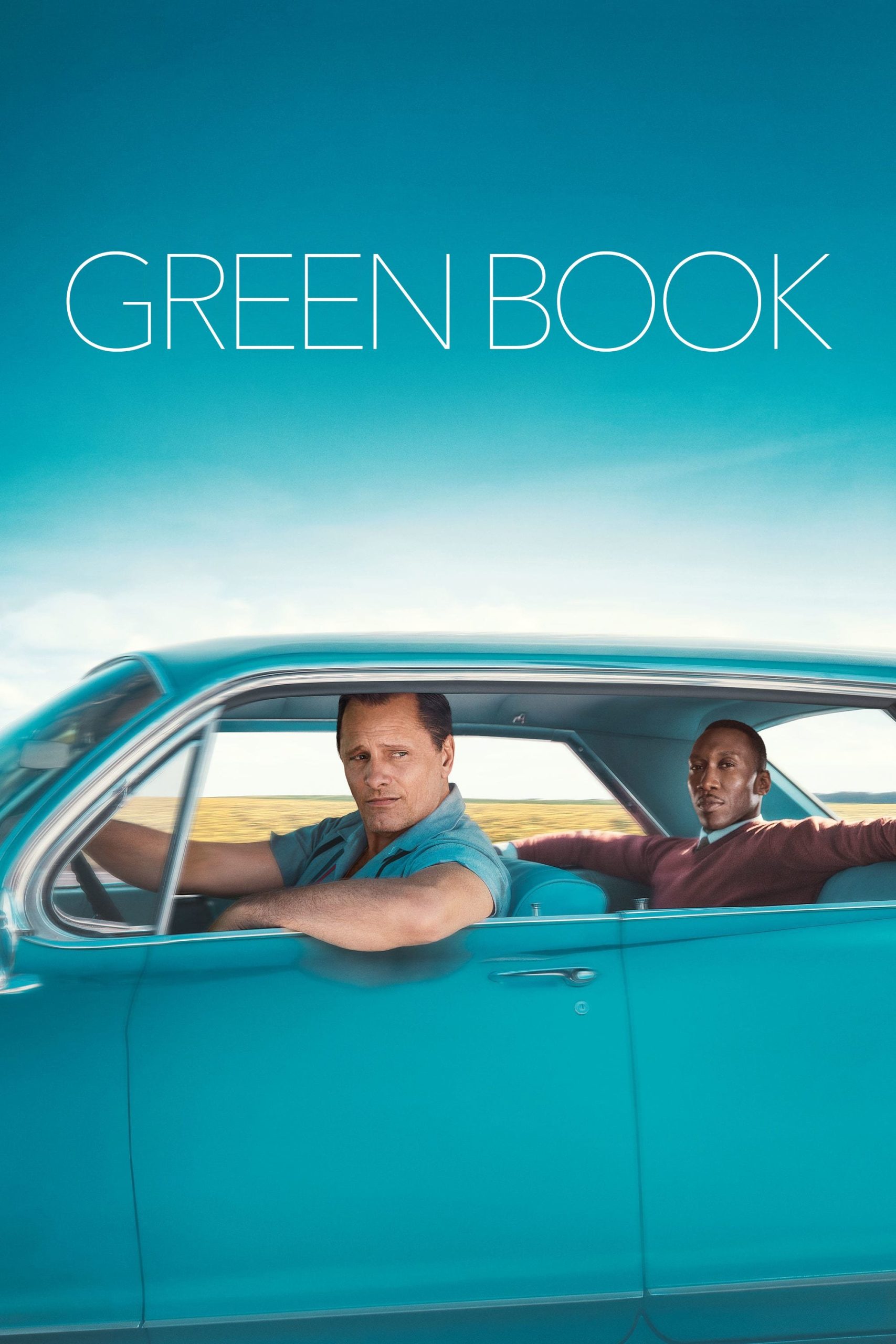
Why This Film Is Beginner-Friendly
When I first sat down to watch this film, I remember feeling a certain ease that I don’t always get with older classics or even some modern “serious” films. The flow of “Green Book” is so gentle and inviting that, as a newcomer, I didn’t feel like I was being tested or asked to decode anything too mysterious. There’s a directness to how the story unfolds—two very different men, from such different worlds, learning to understand each other across the course of a journey—that feels both universal and warmly accessible. Even though the movie touches on big historical topics, I never felt like I needed a history degree or some background knowledge of the 1960s to appreciate what was happening. I was just drawn into the odd-couple charm, the alternately tense and funny car rides, and the growing respect between the characters.
Part of what made this film so approachable for me was its bright, polished look and its light touch with humor. It’s not the kind of movie that expects you to see through layers of symbolism or pick up on obscure references. Rather, it welcomes you into the story, much like a friend who’s happy to retell a good road-trip tale. It reminded me of how classic movies often reached for broad audiences rather than niche ones—they had to win everyone’s attention, not just critics. “Green Book” works in this kind of spirit, making it an ideal starting place if you’re nervous about jumping into more intimidating classics. The dialogue is snappy but clear, the emotions are heartfelt but easy to understand, and the conflicts are expressed openly instead of cloaked in subtext. I honestly wish more “first” classic film experiences could be this comfortable.
What to Know Before Watching
- Because the film recreates the early 1960s, I noticed that some of the language, wardrobe choices, and settings felt a touch more formal or “old-fashioned” than what I see in movies today. Sometimes characters say things or act in ways that seem strange until I remind myself they’re shaped by another era’s standards and customs.
- The storytelling here unfolds at a steady, deliberate pace—not slow, but definitely less frantic than many recent blockbusters. Scenes take their time, often letting the lead actors simply talk, argue, or drive quietly. For me, it felt like settling into a long conversation, instead of racing from one plot twist to the next. If you’re used to nonstop action or rapid-fire editing, the relaxed momentum might catch you by surprise at first.
- There are moments that touch on racial tensions, social prejudice, and awkward cultural clashes. Since “Green Book” is set in the American South during segregation, the situations can be uncomfortable or eye-opening. But I found it handled these themes in a way that felt almost cozy—in the sense that, though serious, the movie clearly wants you to stick with its optimism and compassion. That tone might not be what you expect from a film rooted in historical prejudice.
Key Things to Pay Attention To
As someone who’s always been drawn to characters first, I found the greatest pleasures in this film came from simply watching Tony and Dr. Shirley interact. Their chemistry is so vivid and immediate that I spent much of the runtime just enjoying the rhythm of their conversations—their misunderstandings, jokes, and silent moments of realization. I would recommend paying close attention to how their body language changes over time. At the start, Tony Szal (Viggo Mortensen) seems loud and physically loose, while Dr. Shirley (Mahershala Ali) holds himself with a controlled, almost regal posture. As the journey progresses, I picked up on little shifts: Tony learning to soften his edges, Shirley relaxing just enough to crack a dry smile. These are the kinds of subtle transformations that, for me, are what classic character-driven cinema is all about.
I also found myself unexpectedly moved by the way food, music, and travel scenery play into the storytelling. Watch for how meals become a bridge between these characters, whether it’s fried chicken eaten out of a paper bag or a fancy table set for a concert intermission. There’s a sweetness in those shared meals that tells you just as much about their evolving friendship as any speech ever could. The music is another star. You don’t have to know anything about classical piano, but let yourself notice the contrasts: how Shirley’s elegant, restrained performances on stage differ from his quiet, deeply personal playing while alone. That contrast, for me, really drove home the tension between public expectation and private longing.
I’d also recommend allowing yourself to notice the setting itself—the long Southern highways, neon-lit motels, and grand old performance halls. These aren’t just backdrops; I found they shaped my understanding of where the characters are coming from and what stands in their way. If you let yourself soak in the atmosphere, you’ll come away with a deeper emotional understanding, even if you’re not consciously thinking about “themes” or “symbolism.” The film guides you gently, never overwhelming you with too many details at once.
Common Misunderstandings for First-Time Viewers
- Some people expect the film to offer a gritty, unfiltered look at racism in America. But when I watched it, I realized that “Green Book” chooses a more optimistic, even somewhat glossy approach. It definitely acknowledges real hardships and prejudices, but it avoids making the journey feel hopeless or punishing. For me, this wasn’t a flaw—instead, it made it more approachable as a starter classic.
- There’s a misconception that you need to understand music history or jazz to “get” what’s going on. My own experience proved otherwise; the film uses music as a character trait, not as a technical lesson. Even if you don’t know the difference between Chopin and Bill Evans, the impact of Shirley’s performances will still ring true on a purely emotional level. I just listened, and the feelings came through.
- Many first-time viewers expect that “classic cinema” means the film will be black-and-white, visually grainy, or awkwardly acted. That’s not the case here at all—”Green Book” is brightly shot, full of life, and refreshingly modern in its visuals. For me, it bridged the comfort of new movies with the warmth and human focus of older classics, so there’s no need to be intimidated by the label.
Is This a Good Starting Point for Classic Cinema?
If I had to recommend just one recent film as a gateway into what makes classic cinema so rewarding, this would absolutely be near the top of my list. “Green Book” is a beautiful introduction because it lets you experience the pleasures of a buddy-road movie—humor, frustration, personal growth—while gently inviting you to wrestle with deeper questions about empathy, dignity, and change. There’s a reason so many people, myself included, found themselves caught off guard by how comforting and uplifting it is, especially given its serious subject matter. You don’t have to “work” to understand the story or keep a notepad for hidden meanings; you just ride along, experiencing the friendship and the obstacles firsthand.
I think the most encouraging thing about starting with “Green Book” is how it builds your appetite for more. When I finished, what stuck with me wasn’t just the specific events, but the feeling of connection between the leads, and a subtle sense that I’d been transported not just to a different time, but to a different point of view. That’s what good classic films do—whether they were made fifty years ago or just yesterday, they remind you of shared humanity and the simple, profound changes that can come from knowing someone new. If your goal is to figure out whether classic cinema is “for you,” watching this film gave me a clear, resounding yes. It made me want to seek out other stories where characters take the time to know each other, and where the road to mutual respect winds through laughter and challenge rather than endless violence or cynicism.
If you arrive here feeling nervous about not “getting” older movies, or worrying they’ll feel too distant, my advice is to let yourself ease into the journey. “Green Book” offers nothing but open arms and a comfortable seat for the ride—no baggage required, just curiosity and a willingness to enjoy what unfolds. You’ll find, as I did, that this kind of film can be both a pleasure and a gentle teacher, preparing you to explore more ambitious classics with confidence and excitement.
If you’re wondering how this film compares to others that have stood the test of time, these may help.
🎬 Check out today's best-selling movies on Amazon!
View Deals on Amazon