
Why This Film Is Beginner-Friendly
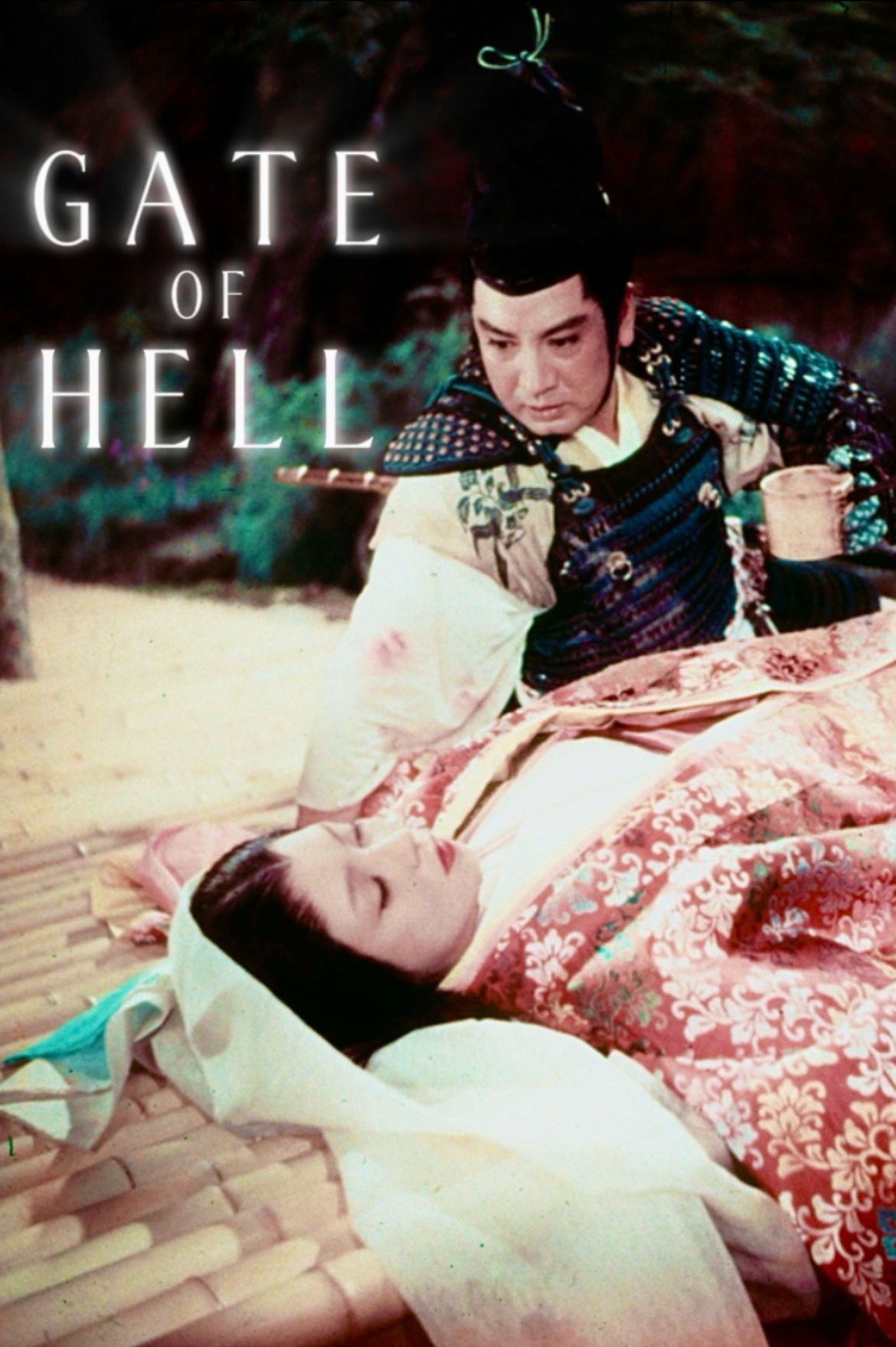
When I first sat down to watch Gate of Hell, I was a little nervous about how accessible it would be. I didn’t grow up watching Japanese historical dramas, let alone ones from the early 1950s, but what struck me right away was just how inviting this film felt visually and emotionally. The lush color palette drew me in instantly—I found myself mesmerized by the shimmering golds, glowing oranges, and deep blues on screen. Even if you’ve never seen a film made outside of Hollywood, the gorgeous, painterly look of the movie instantly grabs your eyeballs and keeps you curious to see more.
I also appreciated how the central story is extremely easy to follow. I never felt lost among the characters’ motivations or the basic plot threads, even though the setting and period costumes might seem exotic at first. The film’s emotional core—unrequited love, duty, obsession, and bravery—are universally relatable, and the director presents these feelings with a clarity that doesn’t require you to know Japanese culture inside and out. It reminded me of how accessible a great Shakespeare adaptation can be, where the themes transcend language, time, and geography. Watching Gate of Hell felt less like I needed to “study” a classic film and more like I was simply allowing a gorgeous story to wash over me.
The runtime is also quite reasonable for a classic film. At just under 90 minutes, I never felt overwhelmed or intimidated by the commitment. For someone new to older movies, this helps a lot—there’s no need to brace yourself for a marathon. I was able to sit back, relax, and let the film unfold, which is something I always appreciate when I approach classic cinema for the first time. It also doesn’t bombard viewers with dense dialogue or elaborate subplots. Instead, the focus stays, in my experience, on the raw human drama and the breathtaking visuals. That’s what made it so welcoming when I was still getting my feet wet as a classic film fan.
What to Know Before Watching
- The film is set in medieval Japan, featuring samurai, court officials, and nobility, which might feel entirely new if you haven’t seen films from this era or culture. The costumes are vibrant and stylized, and the traditions on display might at first seem mysterious. I found myself genuinely interested by these unfamiliar details rather than put off, but I did have to remind myself that some customs and behaviors wouldn’t line up with modern expectations.
- The pacing is quite different compared to the action-packed, fast-cut style of contemporary movies. Instead of non-stop excitement, there are moments when characters simply sit, reflect, or exchange long glances. I had to adjust the way I watched, letting myself settle into the rhythm of the film. For me, this slower pacing made every gesture and word feel more meaningful, though it required a little patience at first.
- You may be surprised by how open the film is about emotional vulnerability. I originally expected a samurai drama to be cold or stoic, but I was wrong—what struck me was how deeply the film explores internal conflict, longing, and even jealousy, often shown not through dialogue but via lingering shots of faces and silent movement. I didn’t expect to relate to the characters as much as I did by simply watching the tension and yearning play out visually instead of being told about it directly.
Key Things to Pay Attention To
When I think back on my first viewing, what stayed with me most was how masterfully the film uses color to tell its story. I’d never realized how expressive color could be in a classic film until I saw Gate of Hell. I felt pulled into each scene because the colors told me something about the characters’ moods or about the gravity of their choices. The gold silk costumes, for example, highlighted moments of nobility or hope, while the shadowy corners of the palace hinted at secrecy and heartbreak. I would encourage anyone new to classic cinema to really watch the background as much as the action; the visuals are working just as hard as the actors.
I also found that paying attention to the faces of the leads, especially Machiko Kyō (who plays Lady Kesa), increased my appreciation for the movie. Instead of verbal arguments or lengthy confessions, so much is communicated through a hesitant glance, a downward turn of the mouth, or the way a character quietly grips a fan. I liked challenging myself to “read” what was left unsaid. Even if you rely on subtitles for the dialogue, the film’s emotional cues are almost all universal, visible in posture and eye contact.
Another thing that enhanced my viewing was noticing how the director built tension without big battle scenes or flashy heroics. I’d gotten used to movie conflict being loud and explosive, but here, a whispered threat or a silent refusal felt even more intense because of the calm that surrounded it. I would recommend focusing on the little moments. There’s a real thrill in piecing together a character’s motives or fears from a single, deliberate gesture.
The use of music is subtle but powerful in this film. The soundtrack floats in and out, heightening dramatic scenes or offsetting moments of quiet. I found that the quietest scenes often held the most power, making me lean in and pay closer attention. With each viewing, I became more sensitive to how music and silence work together in this film, both to soothe and to create suspense.
Above all, I always remind myself that the film’s greatest strength is its simplicity. The honesty of the storytelling is a breath of fresh air. I never felt like I was missing out on hidden meanings, or that I needed a degree in film history to appreciate what was on screen. Each time I’ve watched it since, I still find joy in just letting the images, music, and characters unfold at their own pace.
Common Misunderstandings for First-Time Viewers
- Misunderstanding 1 – Some viewers, myself included, might initially think the film will center on large-scale battle scenes typical of samurai movies. In reality, Gate of Hell focuses far more on personal relationships, emotions, and moral dilemmas. I learned that the “action” here is more about inner conflict than epic sword fights.
- Misunderstanding 2 – It’s easy to assume the costumes and setting are only for show, but I discovered that the elaborate garments, hairstyles, and palace architecture actually carry meaning. For example, I noticed that characters dressed in lighter or brighter colors generally had higher status or innocence, while darker shades often signaled emotional heaviness. Recognizing these visual cues increased my understanding and engagement with the story.
- Misunderstanding 3 – Some may expect every plot point or motivation to be stated clearly through dialogue, since that’s common in modern films. However, I found that in this movie, much is left unsaid. The characters express themselves through actions, facial expressions, and long silences. At first, I thought I must be missing something, but over time I began to appreciate the richness of this quieter, more visual form of storytelling.
Is This a Good Starting Point for Classic Cinema?
Looking back on my own journey with classic movies, I feel confident recommending Gate of Hell as a wonderful introduction for newcomers. My first experience watching this film was like being invited into a breathtaking world that felt ancient yet vibrantly alive, without ever feeling locked out by unfamiliarity or lofty “art house” expectations. The movie’s beauty is easy to appreciate from the very first frame—the colors and costumes are so striking that I remember being excited just to see what each new scene would look like. If your main worry about trying an older film is that you’ll struggle to relate, I can honestly say that the raw emotion and visual elegance here make it approachable and compelling no matter your background.
I also found it incredibly satisfying that I didn’t have to bring any prior knowledge about Japanese history or samurai culture to the table. The film’s story stands on its own, both as a tale of desire and self-sacrifice and as a piece of cinematic art. I think anyone, no matter how new to classic films, will find plenty to connect with—the universal appeal of longing, courage, and honor comes across even if you don’t catch every detail. I remember how empowering it felt to realize I could fully enjoy a classic film made halfway around the world and seventy years ago, simply by opening myself up to its human drama.
What sets Gate of Hell apart for me as a beginner-friendly classic is the way it balances drama, beauty, and clarity. It doesn’t demand that you do homework; it doesn’t expect that you’ll be an expert in Japanese cinema. There’s a generosity to its storytelling and a timelessness to its themes that will hold your attention, even if you’ve never seen a classic film before. I’m always delighted to recommend it as a first stepping stone into films that have lasted for generations—and it’s one I return to myself when I’m in need of a reminder of how powerful beautiful, straightforward filmmaking can be.
If you’re wondering how this film compares to others that have stood the test of time, these may help.
🎬 Check out today's best-selling movies on Amazon!
View Deals on Amazon