Why This Film Is Beginner-Friendly
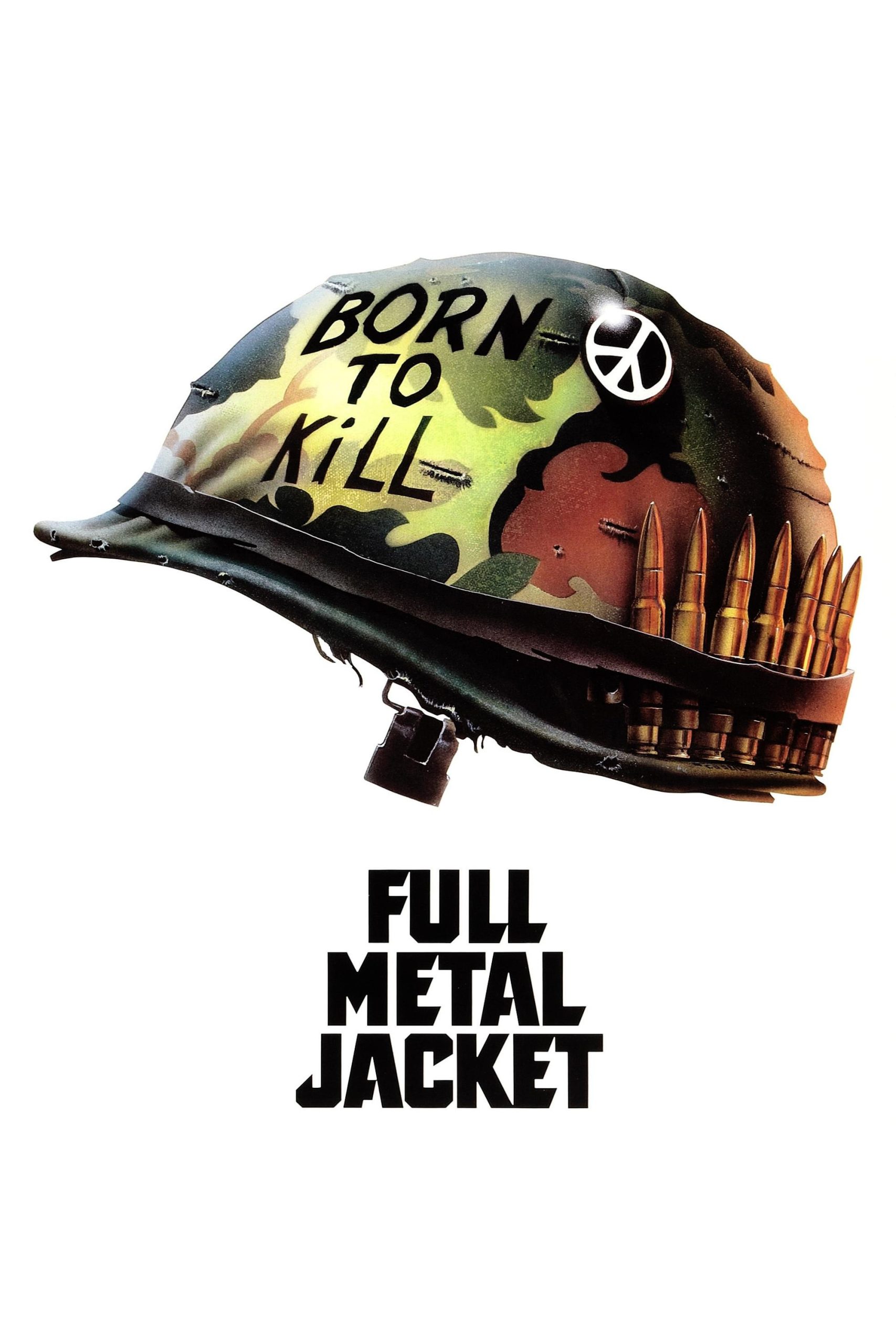
When I first encountered “Full Metal Jacket,” I was nervous that a war movie might be too harsh or distant for me to appreciate as a beginner in classic cinema. But what struck me—and what I think makes it so approachable—was how instantly it pulled me into its world through details that felt so real and human. Even if you know little about the Vietnam War, the film’s early scenes in the Marine training camp are unforgettable because of how intensely personal they are. I didn’t need a deep understanding of history or filmmaking to relate to the raw emotions of fear, pressure, and camaraderie that the recruits experience. The characters’ struggles are universal: anxiety about fitting in, trying to impress authority figures, and coping with change. I felt swept along by the story, not lost or confused.
Another reason I think this movie is so friendly to newcomers is its pace and style. Unlike some older films that might feel distant or overly theatrical, I found Stanley Kubrick’s direction here feels vivid and immediate. The camera movements, the dialogue, and the facial expressions make everything easy to follow. I never felt out of step or like I needed some special background to “get” what was happening. The movie uses music and visuals that still pack a punch today, without relying on complicated symbolism. So even though the story is set in the 1960s, it felt surprisingly modern and relevant to me. For someone starting out, that helps a lot: it’s a classic that doesn’t leave beginners behind.
What really sealed it for me, though, was how “Full Metal Jacket” doesn’t demand I have all the answers or any special expertise—just an open mind. It raises questions about authority, violence, friendship, and identity, but it doesn’t require me to be a historian or a film buff. I just found myself reacting emotionally, which is always a good sign that a film is truly accessible. The situations and conflicts, though extreme, managed to feel authentic and unsettling in a way that made me want to keep watching and discovering more about classic cinema.
What to Know Before Watching
- Historical or stylistic elements that may feel unfamiliar: The movie opens in the rigid, ritualistic setting of Marine boot camp during the Vietnam War era. When I first watched it, I didn’t realize that the fashion, language, and attitudes would feel so specific to that time—especially the tough slang, haircuts, and rules. Knowing that, I was able to appreciate how much of the style is deliberate and how quickly it establishes the film’s mood. This isn’t a documentary, though, so some details are a bit larger than life.
- Pacing or storytelling differences from modern films: The film comes in two distinct parts—the first half focused on training, the second plunging us into the chaos of combat. That “split” surprised me initially, and as someone used to more linear stories, I had to adjust to this less familiar rhythm. Scenes sometimes linger longer than I expected, letting tension or emotion build gradually. It’s not always trying to rush to the next action scene or twist, and I found myself settling into a slower, more atmospheric style than the blockbusters I was used to.
- Anything that might surprise new viewers: The intensity of the language and the roughness of the humor caught me off guard at first. It pulls no punches with its portrayal of bullying, power struggles, and the psychological turmoil of the recruits. While none of it is meant for easy laughs or shock value, I had to remind myself that this intensity was designed to immerse me in their world—not necessarily to make me comfortable. It’s a hard-hitting film, but that’s part of what makes the emotions ring true.
Key Things to Pay Attention To
From my first viewing, I’ve always noticed how “Full Metal Jacket” crafts its atmosphere by focusing closely on the faces and voices of its characters. I realized that if I paid attention to the recruits’ expressions—especially in the boot camp sequences—I could pick up on emotions that words failed to express. The story really lives in those awkward glances, fearful smiles, and moments of silence that linger just a bit too long. I encourage anyone new to classic films to watch for these small gestures, because they say as much as the dialogue, if not more. The famous drill instructor, for example, is both terrifying and fascinating, and I noticed how every gesture and tone in his performance revealed layers of power and vulnerability.
I also found it helpful to focus on how the group dynamic shifts over time. There’s a strong sense of transformation—the way the recruits enter camp as individuals and slowly get molded into something else. It’s subtle but so rewarding to watch. Early scenes show private jokes, whispered doubts, and nervous laughter, but as the training intensifies, I noticed how unspoken bonds and rivalries develop. I paid special attention to which characters stepped forward, who hung back, and how fear shaped their actions. Even in the later war scenes, seeing how they reacted to danger and loss told me as much about their journey as any single moment of dialogue could.
The movie’s visuals also really stood out to me, especially the way Kubrick frames each scene. I liked observing how certain shots feel carefully organized, almost like paintings, while others break into chaos. There are small details sprinkled in—the color of the uniforms, graffiti on the walls, cigarette smoke drifting in the air—that helped me stay anchored in the world of the film. I suggest letting your attention wander to these background elements from time to time; it made the experience much richer for me. The contrast between the strict, orderly boot camp and the wild, unpredictable combat scenes was striking, and following this shift helped me understand what the movie was saying about order and chaos.
Lastly, I always try to listen for the way music and sound are used—not just the famous songs, but the smaller noises that fill out the world. Echoes in empty barracks, boots hitting the ground, gunfire in a quiet street—they all bring the story to life in a way that words or pictures alone can’t. If you’re open to it, the way the film uses sound can be just as powerful as anything you see on the screen.
Common Misunderstandings for First-Time Viewers
- Thinking the film glorifies war – The reality is more complex: The first time I watched “Full Metal Jacket,” I was worried that the film might simply celebrate toughness or violence. But as the story unfolds, what I actually saw was more of a questioning, sometimes deeply sad reflection on what war does to people. The shocking moments and dark humor aren’t there to make war look cool; instead, I felt they highlighted the cost—emotional and moral—of being caught up in conflict. It’s far from being an action movie that puts heroism on a pedestal.
- Assuming every detail is literal or historically perfect – Some license is used for effect: As someone who’s relatively new to classic cinema, I once thought every scene in an older movie had to be 100% historically accurate. What I eventually noticed is how Kubrick uses some exaggeration—the sharper-edged insults, the almost surreal colors and compositions—to give me a mood or an impression rather than a pure documentary account. It’s more about capturing the feeling of confusion, fear, and absurdity than about perfectly matching every real-life detail of the Vietnam era.
- Expecting a clear hero or traditional good-versus-evil story – The movie is more ambiguous: At first, I kept looking for “the hero” or a single protagonist to root for, because so many movies train us to do that. Instead, I soon realized “Full Metal Jacket” offers something more complicated. There aren’t easy answers or perfect characters; almost everyone is touched by doubt, contradiction, and change. Once I let go of the idea that the story would play out like a typical good-versus-evil showdown, I found the movie much more interesting and thoughtful.
Is This a Good Starting Point for Classic Cinema?
If I were to give advice to anyone curious about dipping their toes into the world of classic movies, I would say that “Full Metal Jacket” is a fantastic entry point—especially if you’re interested in films with grit, humanity, and a lingering impact. I remember being nervous about starting a movie with such a famous reputation, but what I found was a film that’s far more inviting and engaging than its tough exterior suggests. It doesn’t require you to know all the ins and outs of film history or to understand subtle references to other works—just a willingness to engage with characters and situations that feel emotionally real and relevant, even decades after the film was made.
What encourages me about this movie is how direct and immediate it feels. The dialogue, the stakes, and the visuals are all clear and accessible, so I never felt lost or overwhelmed by technical jargon or old-fashioned stylings. Even the movie’s structure, with its two distinct halves, creates a sense of surprise and progression that feels fresh. For those intimidated by the idea of “classic” meaning “slow” or “boring,” this film is proof that older movies can be just as gripping as anything new.
Of course, it’s not the lightest or most carefree choice—you’ll definitely feel challenged, and there are some brutal moments. But that emotional intensity is part of what made me appreciate classic cinema in the first place. “Full Metal Jacket” gave me a richer sense of what movies could do: not just entertain, but make me wrestle with big questions and connect with people facing extraordinary situations. If you give it a chance, I believe you’ll come away not only understanding why it stands the test of time, but also feeling more confident about exploring more films from past decades. It’s a choice that’s both rewarding and surprisingly easy to appreciate, even for total beginners.
If you’re wondering how this film compares to others that have stood the test of time, these may help.
🎬 Check out today's best-selling movies on Amazon!
View Deals on Amazon