
The First-Time Viewing Experience
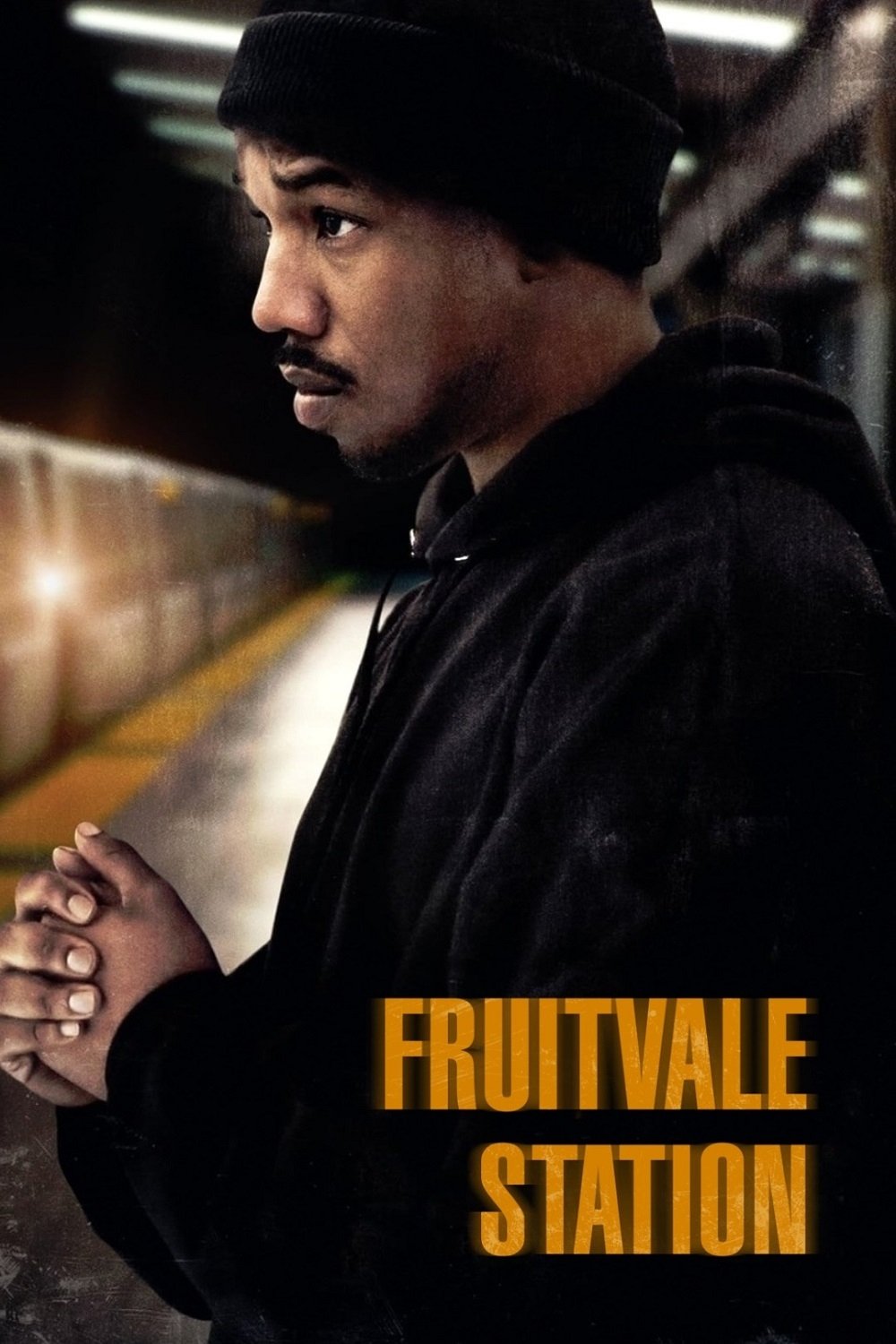
Watching Fruitvale Station for the first time felt like stumbling into someone’s most vulnerable memories and being entrusted with their rawest truths. Unlike many films about real-life events, I didn’t feel like Fruitvale Station demanded my distance. Instead, the film invited me to walk alongside Oscar Grant through his final day, leaving me disarmed by its intimacy and humility. There’s an uneasy closeness, almost as if I was holding my breath throughout whole stretches, sensing the importance of every mundane moment. The camera never winks or distracts itself: it lingers, quietly urging me to pay close attention to the details—the way a man cradles his daughter, how he reassures his mother, the uncertain flicker in his eyes as daylight fades. My first encounter with this film wasn’t just as an audience member but as a participant, someone woven into the fabric of those few fateful hours. I walked into Fruitvale Station with a general awareness of Oscar Grant’s story, but the experience was far heavier and more alive than I ever braced myself for.
What stood out to me most was how quickly Fruitvale Station managed to lower my guard. The opening moments, with their documentary-like authenticity, set the tone: the newsreel sequence serves both as a warning and a heartbreak, reminding me that some stories have already ended before I meet their protagonists. I remember feeling an anticipatory dread, knowing where this would lead yet desperate for a different outcome. At the same time, I found myself swept up by tiny moments of everyday humanity—Oscar Grant as a friend, a son, a doting father. So often, films about real-life people keep them at arm’s length, reduced to symbols, but here I witnessed the rhythm of lived experience with shocking clarity. I barely noticed the film’s craft because the people on screen felt not just real, but familiar.
There’s a particular vulnerability that comes with watching Fruitvale Station with no buffer of nostalgia, hype, or cultural commentary—just me and the story. Each turn seemed unpredictable; every smile or burden Oscar wore felt earned, never forced. I remember the tightening of my chest each time the story paused for joy, laughter, or connection, always shadowed by a profound sense of impending tragedy. The real shock, though, wasn’t in the climax but in the effort the film makes to show just how ordinary Oscar’s day was—how similar his anxieties and joys are to my own. The cumulative effect left me haunted by a question with no answer: how many lives swirl quietly around me, just as full of hope and complexity?
Emotional Moments That Resonate
If I’m honest, I struggled to keep my composure during several moments of Fruitvale Station, moments that echoed loudly in my consciousness long after the credits. The film is overflowing with emotional points of contact—so many, in fact, that it becomes difficult to pin down which wounds ache the most. For me, it wasn’t only the harrowing climax at the train station that felt unbearable; it was the way the film finds grace in ordinary exchanges. There’s a scene where Oscar tries to convince his girlfriend Sophina of his renewed commitment to their family. I remember how this quiet conversation, layered with affection and doubt, revealed more vulnerability than any grandiose speech could. It made me reflect on all those “last chances” in my own relationships, the invisible work it takes to earn back trust, and how fleeting those opportunities can be.
I was especially undone during the moments between Oscar and his mother, Wanda, played with aching authenticity by Octavia Spencer. There’s a birthday party scene—warm, crowded, humming with the energy of family love—that struck me deeply. The celebration felt neither forced nor nostalgic, but charged with the bittersweet knowledge that no one at that table could know they were watching Oscar for the last time. When Oscar hugs his mother before heading out for New Year’s Eve, I heard every unspoken “be careful” embedded in her goodbye. Octavia Spencer’s face was etched with a mother’s weariness, a love heavy with hope and worry, and I realized how often I take such moments for granted in my own life.
And there are the quiet flashes: Oscar helping a stranger at the grocery store, doting on his daughter, struggling to find meaningful work. These details are not presented with a heavy hand; instead, I found them quietly devastating. They are reminders that real heroism isn’t always explosive—it can be cumulative, built up from hundreds of tiny, decent acts. In seeing Oscar’s humanity unfurl piece by piece, I was reminded that the world’s judgments are so often made in ignorance, and that the loss of even one ordinary day is a tragedy of unmeasurable proportions.
The train station sequence, shot with searing intensity, secures a permanent place in my memory not because of its violence, but because I watched it unfold knowing the full breadth of Oscar’s character. I remember the sense of disbelief—the same feeling I get when hearing about the last moments of people lost too soon, when time seems to slow and rush all at once. More than shock, I was left with sadness, with anger, and with gratitude for how the film refuses to let Oscar be defined by what was done to him. I find myself carrying those fragments—the laughter, the struggles, the hope—into conversations about justice, empathy, and the cost of indifference. Even years later, revisiting the film, I’m reminded of why it’s crucial to bear witness: to see, to remember, to care.
How to Appreciate This Film Without Prior Knowledge
When I first sat down to watch Fruitvale Station, I worried that my lack of background knowledge might diminish the experience. Would references go over my head? Would I fail to grasp its urgency? As it turned out, the film’s magic lies in how universally human its story feels, no expertise or context required. Everything I needed to know about Oscar Grant and his world is revealed through the grace notes of everyday life—the same familiar routines I experience in my own world. The film asks nothing more of me than empathy, curiosity, and willingness to engage.
I never felt out of my depth or lost in historical context while watching. Instead, Fruitvale Station brings me right up close to its central questions without preamble or decoration. There’s nothing stylized or coded about its depiction of love, anxiety, or bravery. I didn’t need to be familiar with the specific events of New Year’s Day 2009, nor with Bay Area politics; the pain and hope expressed by the characters are heartbreakingly direct. Ryan Coogler’s direction struck me as less about expounding on policy and more about showing how quickly ordinary hopes can unravel in the face of senseless violence and misunderstanding. I found myself relating not to grand ideas, but to the everyday struggle to make one’s way in the world, to protect family, to seek second chances.
If anything, I think first-time viewers are almost at an advantage. The experience is unfiltered by years of discourse or debate. Instead, I simply observed one man’s final hours, with all of the joys and frustrations intact. The film’s commitment to authenticity doesn’t require translation. I found myself invested not because I understood every cultural reference, but because the stakes—life, love, belonging—are so deeply universal. I realized that while Fruitvale Station is rooted in a specific tragedy, it is ultimately about the things that bind all of us: the need to be seen, to be understood, and to matter.
Who This Film Is Best Suited For
- People who are drawn to stories about ordinary lives and quiet heroism
- Viewers seeking films that prompt reflection on justice, race, and the value of a single life
- Anyone open to emotionally charged storytelling, regardless of prior interest in social drama
A Beginner’s Final Recommendation
If you find yourself hesitating at the edge of Fruitvale Station, wondering whether you’re “ready” to step into its world, I understand the apprehension. My own first viewing was not easy—I felt exposed, moved, and challenged in unexpected ways. Yet, paradoxically, the difficulty of the experience is what makes it so necessary and rewarding. I remember walking away not with answers, but with more compassion than I started with. There’s a warmth at the core of the film, a testament to the resilience of ordinary love, that makes even its hardest moments bearable.
I don’t believe anyone needs to “study up” or prepare themselves for this film; it meets you wherever you are, as long as you approach with openness. Fruitvale Station is a classic not because of any single event it depicts, but because of the profound way it invites new viewers—like me, like you—to reconsider what it means to bear witness to another person’s story. It transformed my understanding of how cinema can make the distant close, the abstract real, and the silenced heard. I encourage every first-time viewer to lean into that vulnerability, to allow this story to resonate within your own life, and to trust that sometimes the most powerful art is that which simply asks us to pay attention.
Fruitvale Station’s relevance and heart remain undiminished with time. If you’re new to classic films or resistant to “issue movies,” I invite you—without reservation—to make space for this story. You might find echoes of your own fears, loves, or dreams in Oscar’s journey. And you’ll almost certainly emerge with greater empathy, a keener eye for the humanity in those around you, and a lasting reminder of why such stories matter now, as much as ever.
To understand whether timeless appeal still resonates today, modern reassessments are worth exploring.
🎬 Check out today's best-selling movies on Amazon!
View Deals on Amazon