Why This Film Is Beginner-Friendly
What struck me immediately about “From Here to Eternity” was how naturally I slipped into its world, even though it was made decades before I was born. Some older films can feel distant or overly theatrical, but this one surprised me by feeling honest and modern in unexpected ways. The characters deal with emotions that never really go out of style—love, longing, frustration, and searching for where you fit in. I appreciated how the movie draws you in right away, not with flashy tricks or confusing techniques, but by making you care about the people and their choices. The story isn’t buried under complicated symbolism or old-fashioned production values; it trusts that viewers—no matter how new they are to classic cinema—will be moved by raw human dilemmas and conflicted feelings.
For me, one of the most reassuring parts was realizing that the themes of standing up for your principles and feeling lost among your peers are things I’ve experienced myself, albeit in totally different settings. The filmmaking style, though definitely belonging to its era, never felt like an obstacle. Instead, the movie’s straightforward dialogue, clear relationships, and genuine emotional stakes made it easy to follow, even with minimal background in vintage movies. As my first real foray into classic film, I could relax and simply watch—a huge relief if, like me, you worry older movies might feel unreachable or confusing.
What to Know Before Watching
- You might notice right away that the movie is set just before World War II, which gives it certain historical details—like the military uniforms and stricter social codes—that I found made some situations seem unlike anything I’ve personally experienced. Scenes about army discipline and the way characters address authority can feel more rigid and formal than anything in movies I’d grown up with. At first, I wondered if I’d be able to relate to their world, but it turns out the emotional core still resonates, even with historical differences.
- The pacing in “From Here to Eternity” feels more patient than what I usually see in today’s films. I noticed scenes lingered a bit longer, with silences and pauses that let emotions simmer. For someone used to the rapid-fire editing and constant action of modern blockbusters, it took me a few minutes to adjust, but soon I found myself actually appreciating the extra breathing room. The movie lets you sink into a moment and sense what’s unsaid between characters.
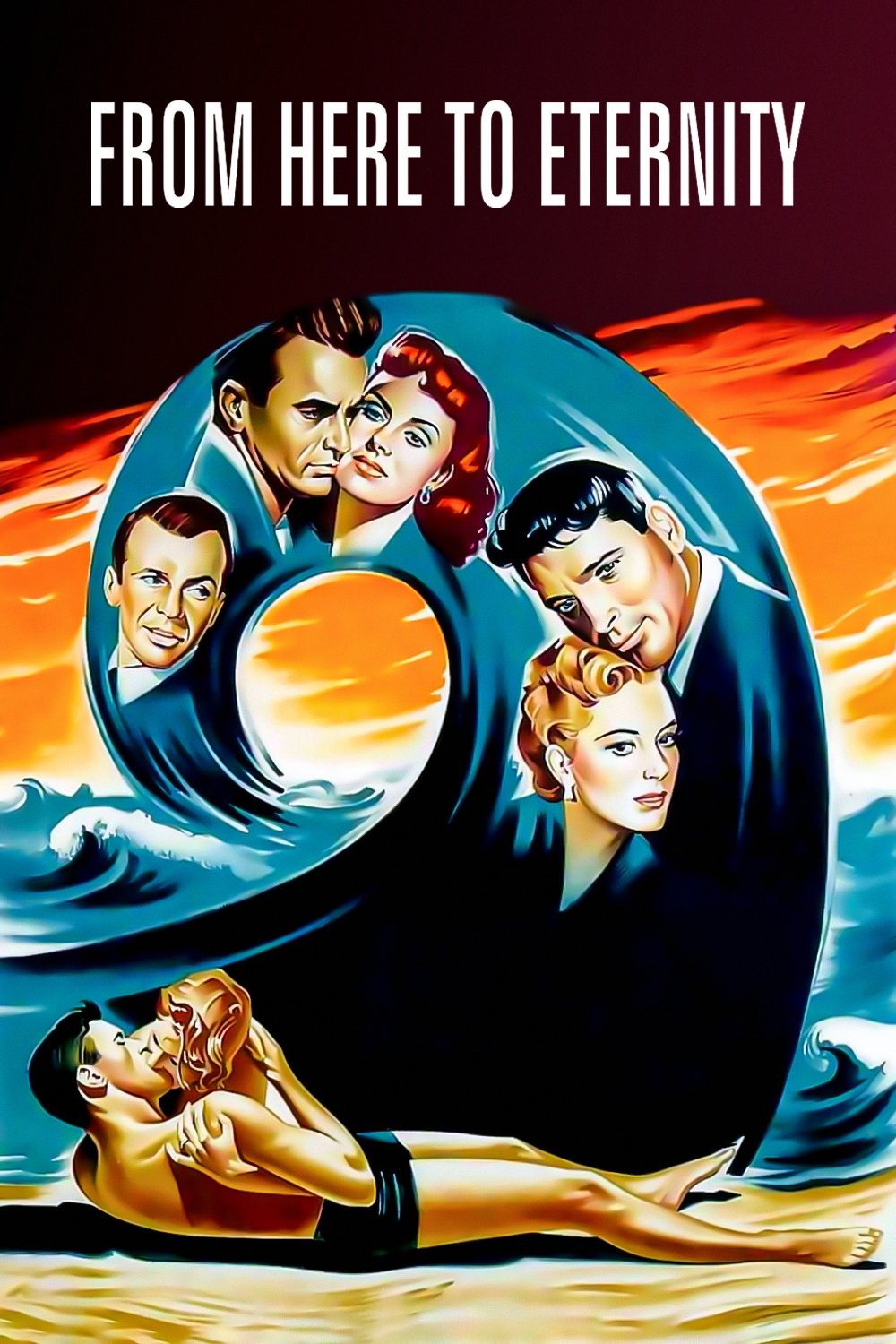
- I was surprised by the frankness of some of the movie’s romantic and personal dilemmas. For a film from the early 1950s, it pushes further into mature feelings than I had expected. Although nothing is shown explicitly (the Production Code at the time kept things pretty tame on the surface), I felt the story confronted jealousy, forbidden love, and regret with a sharpness that felt ahead of its time. Also, the famous beach scene—while very tasteful—might be more physically expressive than other old movies I’d seen in the past.
Key Things to Pay Attention To
What drew me into the experience were the close-ups and the way faces told the story almost as much as the words. I watched for those moments when a character’s expression flickers or when a silence between two people says everything you need to know about their struggle. I found myself rooted in the personal dilemmas of Prewitt—the quiet, stubborn soldier who refuses to box for his company despite pressure—and Karen, who masks her pain behind sharp one-liners but reveals so much with a glance away from the camera. I’d recommend tuning into how body language, not just dialogue, carries the tension of unspoken wishes and disappointments. You don’t need to be a student of acting to notice when someone’s voice cracks or their guard drops; the acting is natural enough that it’s easy to respond emotionally, which I think is rare in some older films.
Visually, the film isn’t about ornate sets or sweeping visuals, though the Hawaiian backdrop is undeniably attractive. What I kept noticing was how straightforward the camera work is—it draws your eyes to the essentials: the line-up of men during a drill, the close encounter on the beach, the way two characters stand at an awkward distance as if measuring what they’ll risk by moving closer. Whenever I wasn’t sure what to focus on, I’d watch the relationships evolving in quiet exchanges rather than looking for big plot twists. That was where the real drama hit me the hardest.
For me, another key point was the way minor characters aren’t just background; they each seem to carry their own history and wounds. It gave me the sense that everyone in the film is fighting a personal battle, even if the main story doesn’t show it in full. So, if you’re new to watching classic films, trust your own instincts about who to watch in a scene—you’ll be rewarded for noticing details.
Common Misunderstandings for First-Time Viewers
- Misunderstanding 1 – I assumed the movie would be stuffy or sentimental because it was made so long ago, but the emotional punches feel sharp and surprisingly modern. Once I let go of my stereotypes about “old movies,” I appreciated its honesty and boldness.
- Misunderstanding 2 – Early on, I thought the film would be mostly about war or military battles, since it’s set on an army base. In reality, it’s a deeply personal story about love, regret, loyalty, and the search for meaning—war is more of a backdrop than the main focus. Knowing this, I could tune into the human drama instead of waiting for action scenes.
- Misunderstanding 3 – I expected all the social interactions and romantic moments to be very restrained and polite, but soon realized the film pushes against social restrictions more than most from its time. The characters’ desires and mistakes are laid bare, which only made the story more gripping and relatable to me.
Is This a Good Starting Point for Classic Cinema?
Honestly, I wouldn’t hesitate to recommend “From Here to Eternity” as a first step into classic movies, especially if you’re a little nervous about jumping in. When I was new to this era of film, I was afraid I’d have to “learn” how to watch older stories, or that I’d find them stiff and outdated. This movie swept those worries away for me. The story is so mature, yet so direct, that I never felt lost or outside the action—if anything, I found myself rooting for almost everyone onscreen, even when they made flawed choices. The blend of romance, conflict, and personal reckoning feels universal, and the film shows you can have dramatic tension without the special effects and quick transitions we expect nowadays.
If you’re looking for a film that lets you experience the past without feeling like you’re doing “homework,” I think this is the one. Its success over generations speaks for itself, but it’s the little things—the sly humor, the frustrations of misunderstood love, the pained silences after a fight—that gripped me most. I left the film thinking about how mistakes and compromises define us no matter the time period. So if you want a classic that’s both meaningful and accessible to a modern viewer, my experience is a wholehearted yes. You’ll see why it’s endured, and you’ll likely discover something about your own hopes and disappointments in the process.
If you’re wondering how this film compares to others that have stood the test of time, these may help.
🎬 Check out today's best-selling movies on Amazon!
View Deals on Amazon