
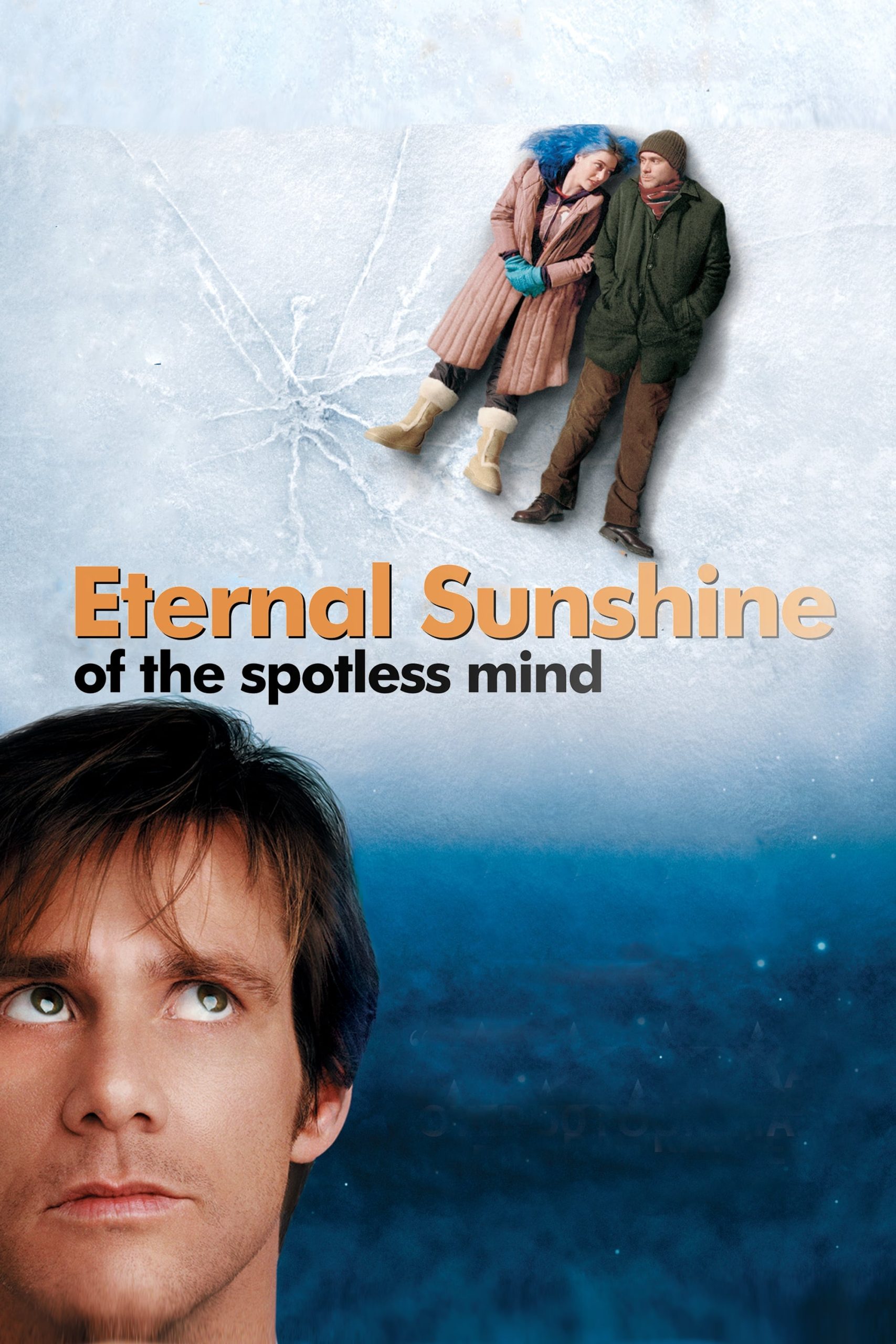
Why This Film Is Beginner-Friendly
When I think about my first time watching “Eternal Sunshine of the Spotless Mind,” I remember being immediately pulled into its heartfelt approach to love, memory, and regret. Even though it holds a unique place in film history and is often considered a modern classic, I found that you don’t need to be a seasoned cinephile to appreciate its wonders. What made it especially accessible for me was how it captured complicated feelings with raw honesty, yet used a style that felt immediate and fresh—even though it’s now nearly two decades old. Rather than relying on references to other classic films or the technical mastery of decades past, this film meets you with questions and emotions everyone recognizes, no matter your background with movies. I never felt like I needed to study up or prepare; I just let its dreamlike world wash over me. The performances, particularly Jim Carrey and Kate Winslet, are deeply human and easy to relate to. I didn’t have to sift through cultural cues from a distant era or decode old-fashioned dialogue. Instead, I found myself instantly absorbed by the authenticity and vulnerability of the characters. If you’re nervous about classic cinema feeling too distant or hard to connect with, I think starting here feels like a friendly welcome. There’s a warmth to the storytelling, and even the more unusual elements are presented in a way that invites curiosity rather than confusion. That’s something I appreciated as someone new to exploring older or celebrated films.
What to Know Before Watching
- The film’s structure jumps around in time and memory. I remember feeling a bit disoriented at first because it doesn’t always tell the story in a straight line. This is intentional and, for me, it made the process of watching feel more like piecing together a puzzle. If you’re used to very straightforward narratives, you might want to hang on through the first half hour as you find your bearings.
- It combines a realistic, everyday setting with unexpected, dreamlike scenes—a stylistic choice that’s sometimes referred to as surrealism. I hadn’t seen many movies before this one that blurred the lines between reality and imagination so seamlessly. Don’t be surprised if a scene changes abruptly or the world seems to shift; I found this kept me alert and curious, rather than just passively watching.
- The pacing can feel different compared to today’s blockbuster films. There are quieter stretches, and moments of silence that linger. I noticed at times the movie is content to let its characters just sit with their feelings, without needing to rush to the next big event. At first, I wasn’t sure what to make of these pauses, but eventually, I realized they gave me space to connect more deeply to what each character was experiencing—almost like I was sitting right there with them.
- I also found the special effects might surprise viewers expecting glossy, digitally enhanced visuals. Here, almost everything was done in-camera, with clever tricks and practical effects. Rather than distract me, the slightly “handmade” feel of these illusions made the film’s dream sequences more personal, like snapshots from my own memories.
- If you’re used to stories wrapping up with a clear moral or resolution, you might be surprised by the ambiguity at the end. Personally, I found this open-endedness powerful—it lingered in my thoughts for days.
Key Things to Pay Attention To
Every time I return to this film, I find myself drawn to the tiny, intimate moments between Joel and Clementine—the way they look at each other, the hesitations, the laughter they share despite their pain. I encourage first-time viewers to pay close attention to the emotional currents running underneath what’s being said out loud. The dialogue is sharp and occasionally strange, but it’s often the pauses, the gestures, or the look in someone’s eyes that really tell the story. For me, the visual storytelling is just as important as the words—notice how the color palette shifts along with the characters’ emotions, and how the environment sometimes melts or rearranges itself to reflect the changes taking place in Joel’s mind. There’s a soft, sometimes faded look to the film that echoes the fragility of the memories being erased or reclaimed. I also paid particular attention to the supporting characters: their choices offer little mirrors to different kinds of love, loss, and regret. The use of music was another detail I latched onto—it’s subtle, but it brings out the bittersweet longing at the heart of the story. Even if you don’t catch every plot detail on your first watch, allow yourself to be immersed in the feeling of the film. It’s okay to let some things go unexplained and simply experience the tangled, uncertain beauty of the journey.
One more thing I found rewarding as a new viewer was to look for visual echoes and repetitions. Objects, locations, and even lines of dialogue show up again and again in slightly different ways, as if memories were replaying like familiar songs. For me, noticing those looping motifs was like finding secret handshakes between different parts of the movie. These details helped me connect emotionally and thematically, even when the larger plot felt mysterious.
Above all, I try to watch with an open heart, not worrying about getting every twist right away. I let myself sit with the film’s big questions—What would I choose to forget? Can love survive our flaws?—and appreciate the vulnerability and honesty in each performance. Sometimes I’ll even jot down how certain images or conversations made me feel, which turns watching into a more personal experience.
Common Misunderstandings for First-Time Viewers
- Misunderstanding 1 – Many people, myself included on my first viewing, think the movie’s strange order is just meant to confuse or be “artsy.” Actually, I realized it’s there to put us into the main character’s emotional headspace—experiencing memory as messy and out of order, just as it really feels after heartbreak.
- Misunderstanding 2 – I’ve heard people say the film is cynical about love, focusing only on pain and regret. Personally, I found the story to be surprisingly hopeful. It shows love’s difficulty, but also its persistence and beauty, even when things don’t work out simply or perfectly.
- Misunderstanding 3 – Some viewers see the more surreal scenes—like rooms collapsing or people fading away—as just random visual weirdness. For me, these moments aren’t about special effects at all. They’re there to make emotional states visible and lived-in, capturing the strange ways memories actually play out in our minds. Paying attention to what the visuals “feel like” helped me connect with the core of the film, beyond just following the plot beats.
Is This a Good Starting Point for Classic Cinema?
I honestly think “Eternal Sunshine of the Spotless Mind” is one of the best invitations you could get into the world of classic and celebrated films. As someone new to seeking out films that have stood the test of time (even if they’re not from Hollywood’s golden age), I found this movie to be disarmingly welcoming. It doesn’t ask you to know a director’s whole filmography or pick up on obscure allusions. What it asks, instead, is that you show up ready to feel something: to confront longing, heartbreak, and the bittersweet hope of second chances. I came away from watching it feeling surprised and moved, realizing that classic films don’t have to be intimidating or academic—they can speak directly and honestly, even across decades.
Because it straddles the line between past and present—borrowing inventive ideas from older cinema but shaping them in a modern form—I felt the movie opened doors rather than closed them. Its blend of relatable romance, gentle comedy, and visual inventiveness was gentle on me as a first-time explorer. I’d absolutely recommend this film if you want a classic that feels modern but offers so much to return to. It’s a story I could share with friends who’ve never considered themselves film buffs, and they’d find something meaningful in it too. Watching “Eternal Sunshine of the Spotless Mind” gave me confidence that classic films aren’t just historical artifacts or intellectual puzzles; they can be vivid, immediate, and deeply personal experiences. If you’re curious about starting your journey with films that have enduring value, I don’t think you could pick a friendlier first step.
If you’re wondering how this film compares to others that have stood the test of time, these may help.
🎬 Check out today's best-selling movies on Amazon!
View Deals on Amazon