
The First-Time Viewing Experience
When I sat down to watch “Elevator to the Gallows” for the first time, I felt an immediate jolt of anticipation—not because of any famous reputation preceding it, but simply from the way the film’s atmosphere reaches out and pulls me inward before a single word is spoken. The sensation is almost palpable: shadows seem to move on the screen as if they’re alive, the urban dusk radiating both cool detachment and restless danger. I found myself scanning each frame with nervous intrigue, always a half-step behind the film’s next move. For me, there was an unshakable sense of being plunged into a world at once glamorous and suffocating, seductive and fatalistic. Every detail—the glint on a rain-slicked street, the uneasy pauses between lovers on the phone—seemed to echo with the nervous energy of someone who knows they’re being watched. This is not just a movie, but a kind of dreamscape that made me acutely aware I was about to witness lives intersecting in ways that simply can’t end well.
As someone pretty familiar with old Hollywood but less so with French cinema of the ’50s, my first encounter with “Elevator to the Gallows” felt like opening a window to a completely different sensibility. I was struck by how fresh and risky everything seems—not in the surface-level sense of plot twists or shock value, but in how willing the film is to dwell in discomfort and ambiguity. The tension never follows a straight line; it coils around my expectations, tightening in moments of silence, in the way characters light their cigarettes, in the neon flicker of bars and gas stations. I can’t think of many films where I felt so actively aware of what wasn’t being said, how the quiet moments told me as much about the stakes as any frantic chase.
One thing that surprised me was how easy it was to get swept up in the current of events even though the world it depicts—Paris at night on the edge of the modern era—is geographically and culturally far from my own. There’s a strange universality to the desperation and longing on display. My first experience with this film felt less like decoding an artifact and more like being handed a key to a private, aching world. It’s the kind of film that asks me to notice everything—music, silences, fleeting glances—and rewards me with a sense of intimacy I wasn’t expecting. There’s no judgment from the movie; instead, it invites me to sit in the passenger seat as choices accumulate and fate begins to close in.
Emotional Moments That Resonate
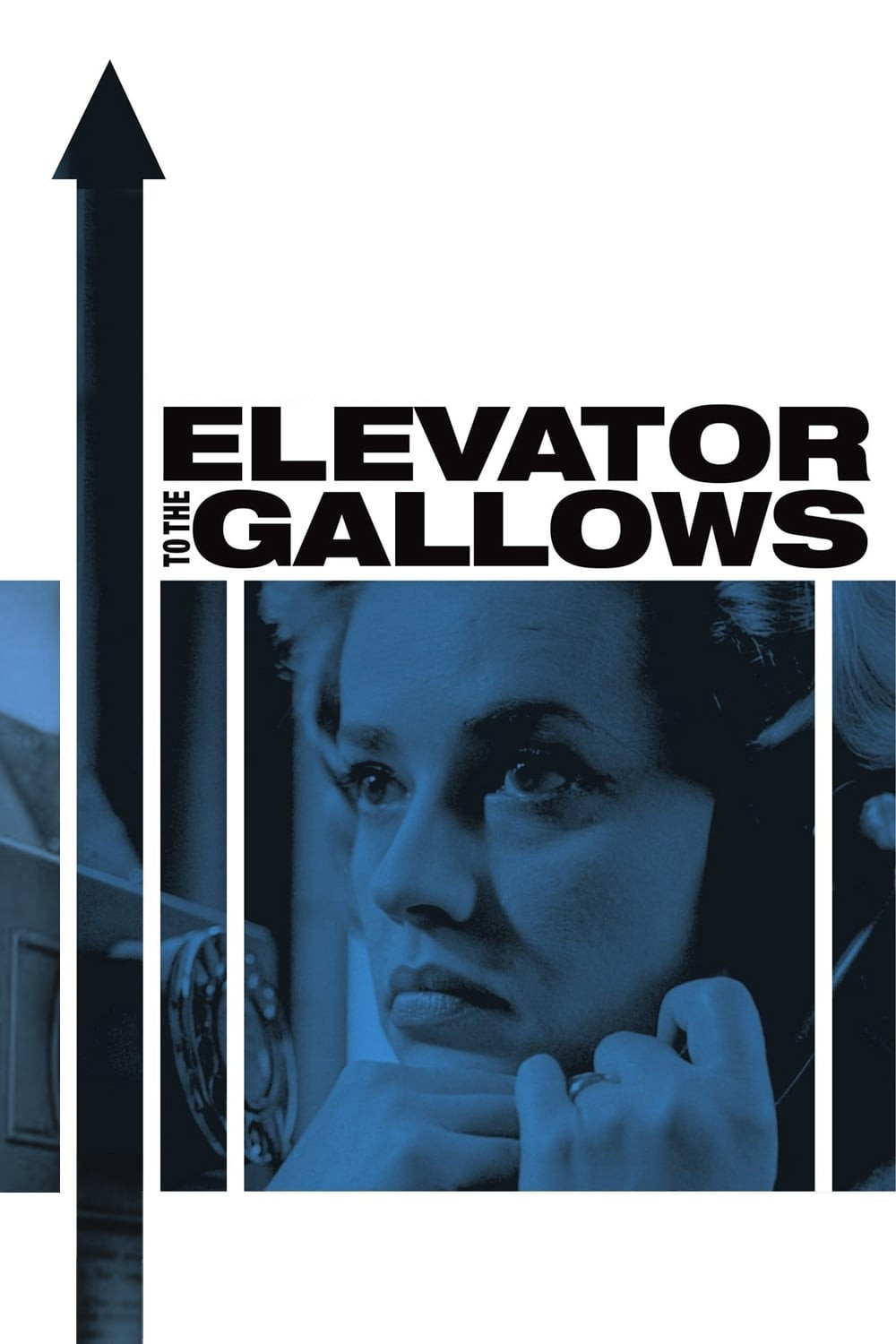
I remember feeling a rush of empathy at certain moments that caught me completely off guard. There’s a sequence where the film’s leads—Florence, wandering in a fog of heartbreak, and Julien, trapped and frantic—find themselves adrift in the city, their separate nights haunted by love, guilt, and the spiral of consequences. I didn’t need any historical context or cultural translation to recognize the feeling of being lost in a city that’s suddenly turned cold. Standing in the neon-lit streets alongside Florence as the night closes in, I felt her worry and stubborn hope cracking through; her face, illuminated by streetlights, told me everything about commitment and regret that words never could. Even now, I can recall the hush of those scenes, the heavy ache of her longing, the way the camera seemed to mirror her isolation.
What truly lodged itself in my chest on that first viewing was the sense of irreversible momentum. I was especially moved when Julien tries—and fails—to free himself, the futility of his efforts echoing in every clanging sound and shadow. These moments force me to feel the pressure alongside him: the bitter taste of panic, the needle-prick realization that small choices can balloon into disaster. Miles Davis’s mournful trumpet only intensified my response, turning each sequence into a kind of sad jazz improvisation where hope flickers and then fades out. As the music floats through scenes of confusion and despair, I kept thinking about the way regret sounds—fragile, murmuring, never quite gone.
I felt a real ache in scenes where secondary characters get swept up in the unfolding events, especially the young couple whose impulsive choices collide with the more deliberate crimes of the leads. Their scenes are illuminated with a kind of adolescent romanticism, but underneath, I sensed a profound sadness: they’re racing toward something neither they (nor I) can fully grasp. The emotional heart of the movie, for me, is that sense that lives can be intertwined and undone so quickly, that innocence confronts experience in ways that feel deeply familiar, even if the specifics are foreign. I was left thinking long after the credits rolled about how utterly exposed I felt, both as a witness and a participant in the film’s tumbling sense of fate.
How to Appreciate This Film Without Prior Knowledge
My first trip through “Elevator to the Gallows” taught me that loving a classic film requires absolutely no expertise—just presence and an open mind. I worried at first that I’d need to be fluent in cinematic theory or up-to-date on every director’s influences; instead, I discovered that the film gently lowers its defenses if I simply let myself fall into its rhythms. Everything essential comes to me through sensation and atmosphere, not homework. I didn’t know much about Louis Malle or the existential movements of postwar France, but what mattered was how I felt stepping into this chilly Paris night—the thrill, the dread, the isolation. Far from feeling like an outsider, I sensed the film reaching out to me, trusting me to care about its characters, to notice the uneasy beauty in its smallest gestures.
If I can encourage a fellow newcomer, it would be to pay attention to how the movie makes you feel rather than worrying about missing historic references or subtle nods to French society. The story moves with urgent clarity, grounded in universal emotions: longing, fear, the weight of irreversible choices. Each closeup, each bar of music, lands with the kind of intimacy that doesn’t require translation. The black-and-white cinematography might seem like a barrier, but to me it becomes a language of its own—one where light and shadow carry the meanings I need. I never once felt rebuffed or lost, even during the film’s wordless stretches. Instead, I found myself invited into each moment, as though the film was speaking directly to my own restless curiosity.
What I love is that “Elevator to the Gallows” never demands I decode it. The surface pleasures are real and immediate—the tension, the beauty, the strange humor—but there’s also space for whatever baggage I bring as a modern viewer. I’m free to watch it like a suspenseful thriller or a mournful love story or even a portrait of aimless youth, and all of those readings feel valid. The generosity of the film’s design means that my lack of background knowledge becomes irrelevant; what stays with me is that sense of shared experience, the way each scene breathed life into emotions I already knew but perhaps hadn’t seen reflected so stylishly, so honestly, on screen before.
Who This Film Is Best Suited For
- Anyone drawn to suspenseful, atmospheric cinema who wants to experience tension built through mood and character rather than special effects
- Viewers who appreciate emotional honesty and complex, flawed characters making irreversible choices—even when logic and justice get blurry
- Curious newcomers who have never seen French or “art house” cinema, but want a first encounter that feels both gripping and emotionally accessible
A Beginner’s Final Recommendation
If I could reach back and deliver a message to myself just before that first screening, I’d urge myself to slow down and trust my senses. “Elevator to the Gallows” isn’t a puzzle waiting to be solved—it’s a shiver of poetry and dread that rewards patience and attention far more than encyclopedic knowledge. I discovered for myself that all I really needed to bring was a willingness to feel, to watch closely as the night and its desperate characters close in around me. The film became a confidant—a place to sit with feelings of regret, passion, and longing that somehow still cut through, despite the years and language separating us.
I sometimes worry that approaching a celebrated or “important” movie will leave me outside, nose pressed to the glass. But my experience here was the opposite: the film let me in, invited me to trust the sadness and suspense as much as the surface glamour. I found myself thinking about the characters for days afterward, tracing their mistakes and moments of human weakness. There’s a beautiful kind of comfort in knowing that even as the world changes, the ache at the core of this film remains close to my own experiences and fears. Watching it for the first time gave me a glimpse into the ways classic cinema can still move me—not as a distant relic, but as a living, breathing piece of art that welcomes me fully, without preconditions.
To understand whether timeless appeal still resonates today, modern reassessments are worth exploring.
🎬 Check out today's best-selling movies on Amazon!
View Deals on Amazon