Why This Film Is Beginner-Friendly
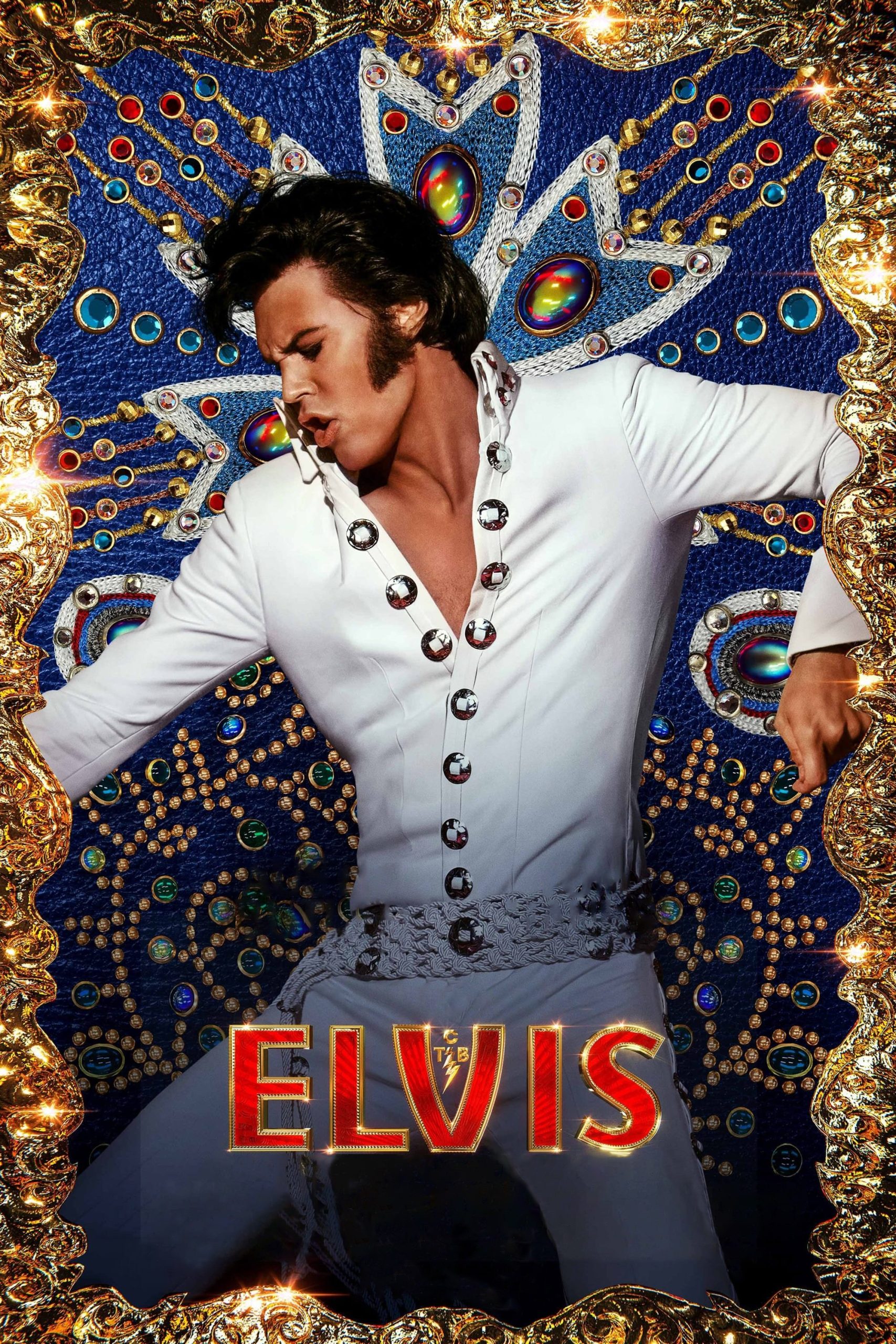
When I first sat down to watch Baz Luhrmann’s “Elvis,” I wasn’t quite sure what to expect. Biopics can sometimes feel dry to me, like carefully constructed museum pieces rather than living, breathing stories. But as the first few minutes melted into a swirl of dazzling colors, pulsing music, and Austin Butler’s electrifying performance as Elvis Presley, I realized this movie felt less like a history lesson and more like a celebration. If you’re new to classic cinema, I think this film is incredibly welcoming because it eases you into the world of both Elvis and American pop culture with a style that feels very modern. It’s like taking a leap into the past, but with the safety net of contemporary filmmaking techniques.
I appreciate that “Elvis” is straightforward about its intentions—it wants to entertain, dazzle, and sweep you up in emotion rather than bog you down with trivia or inside references you’d need a film studies degree to spot. That’s why I felt at home in its world almost immediately; it never assumes you know the backstory, the classic showbiz tropes, or the nuances of Elvis’s life. It simply invites you to enjoy the ride. For me, that’s key for any first experience with classic-inspired movies. I never felt out of place, and I think anyone dipping their toes into this genre for the first time will find the same sense of welcome. There’s no secret handshake required to understand the excitement on screen—it’s pure, infectious energy, and that makes it a terrific starting point for newbies.
What stood out most to me is how “Elvis” bridges the gap between old Hollywood style and modern expectations. The film uses contemporary camera work, dynamic editing, and a soundtrack that sometimes blends original Elvis tracks with newer influences. This blend made me feel connected to Elvis’s world without that sense of distance I sometimes feel with older movies. It’s accessible, visually stimulating, and—above all—loads of fun, which I think is exactly what people hope for when they’re trying classic films for the first time.
What to Know Before Watching
- I noticed right away that Luhrmann’s storytelling style might feel a bit surreal or theatrical, especially if you’re used to the more subtle and realistic approach of some recent movies. There’s a sense of spectacle to every frame—bright costumes, glittering lights, and almost dreamlike camera angles. This is both an homage to the larger-than-life persona of Elvis and a cinematic style that leans into exaggeration, so it’s intentionally over-the-top at moments.
- One thing I wish someone had told me is that the movie’s pacing doesn’t always follow a typical, predictable rhythm. The story rushes ahead in some places, then slows to linger over more emotional moments. This is quite different from the slow build and tight structures of many older classics. At times, I felt swept away; at others, almost overwhelmed. But I see now that this is part of the film’s artistry—it moves at the same feverish tempo as Elvis’s own career.
- I wasn’t expecting the sheer intensity of the emotions—sometimes it almost feels melodramatic, especially in the relationship between Elvis and his manager, Colonel Tom Parker (Tom Hanks). If you’re not used to such heightened drama, it can seem almost soap-opera-like. But it all fits because the “King of Rock ’n’ Roll” really did live a life that played out like a myth. Also, some of the editing, with its split screens and rapid montage, feels very modern and might come as a surprise if you were expecting something “stuffy” or “old-fashioned.”
Key Things to Pay Attention To
Whenever I introduce someone to a film like “Elvis,” I encourage them to focus first and foremost on the performances. If I had to point to a single reason why this movie works for newcomers to classic-inspired cinema, it’s Austin Butler’s immersive take on Elvis. I didn’t just see an impersonation—I felt like I was watching someone discover fame, struggle with personal demons, and ultimately try to define himself under the crushing weight of celebrity. If you listen closely, you’ll hear his singing evolve from fresh and playful to weary and full of longing. That arc told me so much about the pressures Elvis faced, more than any narration could.
But it isn’t just about the actors—visually, there’s a lot that caught my eye, even though I don’t always consider myself a “visual learner.” Luhrmann packs every sequence with colors, costumes, and set designs that reflect not just the era, but also Elvis’s mood at the time. I noticed how the palette shifted from sun-soaked optimism to darker, moodier blues and reds as the story got heavier. If you keep an eye out for these little visual cues, I think you’ll find yourself more emotionally in sync with the movie’s journey.
The relationship between Elvis and his manager, “Colonel” Tom Parker, is also a central thread worth watching closely. I found myself swinging between sympathy and frustration as I watched their increasingly complicated partnership unfold. Seeing the manipulation and emotional push-pull helped me understand why so many people describe the music business as a double-edged sword. If you get lost in the swirl of music and lights, come back to these two characters. Their dynamic is the heartbeat of the movie.
And finally, since this film is rooted so deeply in musical performance, I think watching the way the musical numbers are staged can be rewarding all on its own. Pay attention to how the crowd reacts to Elvis at different points—sometimes with wild excitement, sometimes with hostility, other times with awe. Those reactions help ground the story in real cultural shifts, something I genuinely appreciated as I started to see Elvis not just as a celebrity, but as someone who had to continually reinvent himself to survive.
Common Misunderstandings for First-Time Viewers
- Thinking that “Elvis” perfectly reflects real-life history – I initially believed every scene was a straightforward retelling of what happened, but it turns out the movie often heightens or condenses events for dramatic effect. While most major beats come from real events, there are places where characters are merged, timelines are adjusted, and emotional moments are dialed up for the screen. If you ever wonder, “Did it really happen exactly like that?”, know that the film is more about feeling Elvis’s impact than being a documentary.
- Feeling that Colonel Tom Parker is just a “villain” – I caught myself early on wanting to cast Tom Hanks’s character as the obvious bad guy, but there’s a lot more nuance here. Throughout the movie, I noticed moments where Parker genuinely believes he’s helping Elvis, even as his self-interest takes over. Seeing both the manipulator and the flawed human in him helped me appreciate the complexity the film aims for, rather than reducing things to simple good-versus-evil.
- Assuming you need background knowledge of Elvis’s music – At first, I thought I might be lost if I didn’t know every hit song or every detail about his career. But the film does a great job of making each musical moment powerful regardless of what you know beforehand. The movie uses music to tell the story, so even if you’re brand new to Elvis, you’ll still catch the mood and meaning behind each performance. You don’t need to be a superfan to have a great experience.
Is This a Good Starting Point for Classic Cinema?
If you’re looking for a doorway into films inspired by—or paying tribute to—classic Hollywood, I can honestly say that watching “Elvis” gave me a fresh sense of what’s possible. I felt completely drawn in: not only by the kinetic energy and the visually stunning sequences, but also by the very human struggles that emerge beneath all that glitz and glamour. It helped me realize that classic stories don’t have to feel distant or overly formal. They can be just as thrilling, emotional, and dynamic as anything in theaters today.
My experience with “Elvis” makes me think it’s a fantastic entry point for anyone nervous about trying something linked to classic cinema. I never felt bombarded by references I couldn’t understand, and I didn’t need to “study up” to have fun. The film’s lively pace, musical backbone, and heartfelt performances gave me a window into the old world of Hollywood spectacle, but through the lens of more contemporary storytelling. If you’ve ever worried that classics are too slow or too far removed from your own experiences, I think “Elvis” will surprise you in the best possible way. It’s truly a celebration—both of one legendary performer and of the enduring power of cinema to capture joy, heartbreak, and hope all at once.
I wouldn’t have thought of myself as a “classic film buff” before watching this. Now, I find myself more curious than ever about the movies that inspired, surrounded, or even responded to figures like Elvis. If you’re open to being swept up in a movie’s energy, music, and real human drama, “Elvis” is a place where anyone can begin—and enjoy the ride from the very first scene.
If you’re wondering how this film compares to others that have stood the test of time, these may help.
🎬 Check out today's best-selling movies on Amazon!
View Deals on Amazon