Why This Film Is Beginner-Friendly
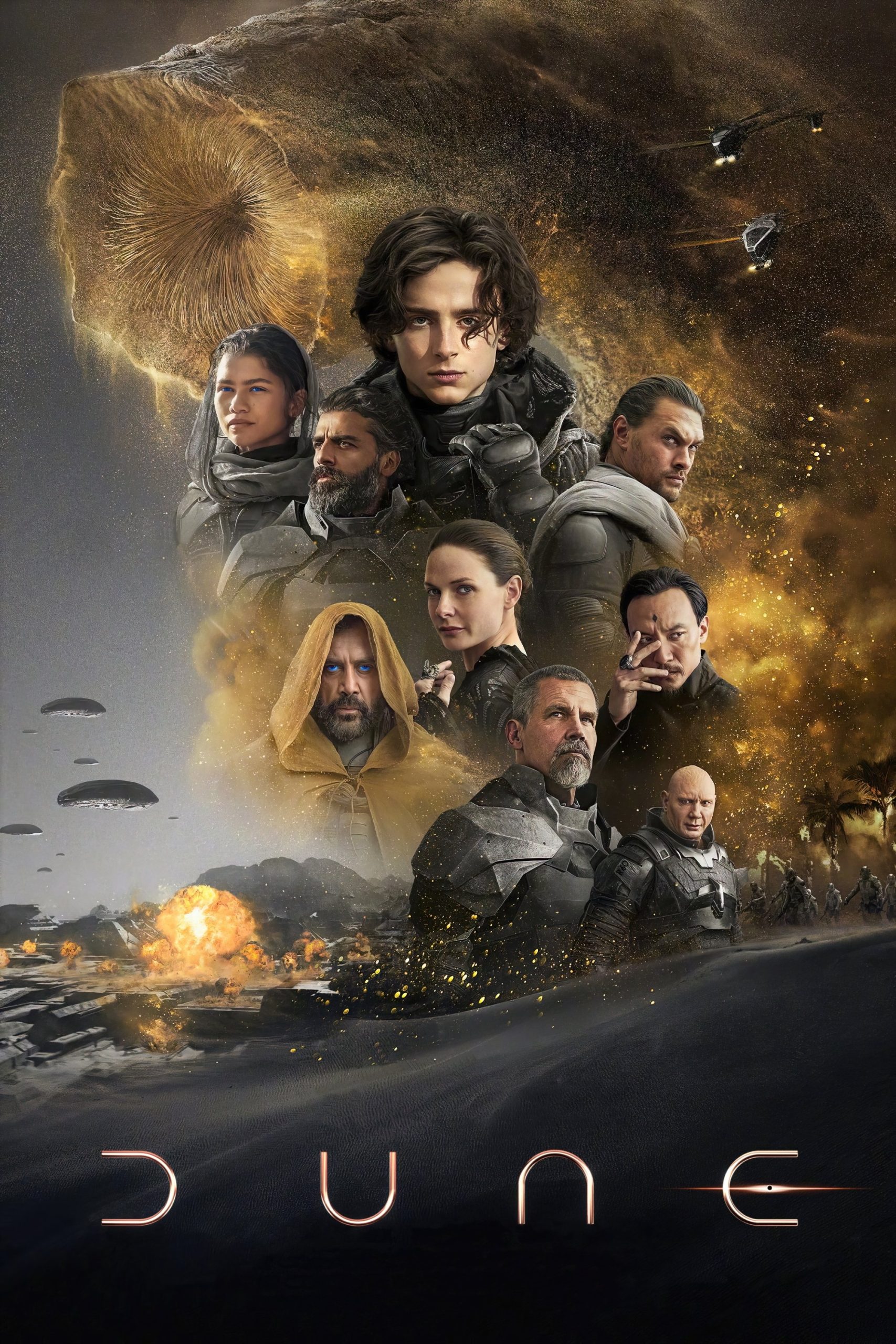
I still remember the feeling of anticipation I had when I settled in to watch “Dune” for the first time—especially as someone who’s always looking for films that bridge the gap between the old and the new. It’s rare to find a big-budget, visually dazzling epic that can stand on its own, yet also feels like a nod to the grand storytelling of classic Hollywood. While “Dune” (2021) is technically a modern film, I personally think it has all the makings of a future classic, which is why I’m convinced it’s perfect for newcomers who might be intimidated by black-and-white movies or films with a completely different rhythm than what we’re used to.
For me, the real surprise was just how accessible the film feels, even to someone who knew virtually nothing about the original novel or any previous versions. The sheer sweep of the visuals, the way the music draws you in, and the simple core of the story—finding your place, facing destiny—felt universal. From my own experience, “Dune” never talks down to you or expects you to be an expert. Each detail is layered in a way that even if you miss something, there’s still plenty to hold onto. And that, for any beginner, is such a welcoming path into the broad world of “classic” feeling films.
What I found especially beginner-friendly was how “Dune” looks and sounds. Every shot is carefully composed, almost painterly, which made it much easier for me to appreciate why classic cinema lovers talk about “cinematic language” and visual storytelling. It feels easier to appreciate nuance when the experience itself is so immersive. The characters may live in a distant future, but their relationships and struggles resonate on a deeply human level—so you never feel lost or overwhelmed by the science fiction trappings. Watching it as my “classic” starter made me realize you don’t have to begin with a movie from the 1940s or 1950s to get what made those films great; you just need a film that respects its audience and crafts its world with the same care.
What to Know Before Watching
- At first glance, the scale of “Dune” can feel overwhelming. What I discovered is that the world-building in the film is very grand, filled with strange new words, customs, and creatures. If you’re new to epics or have mostly watched movies set in the present, this might take a few minutes to adjust to—but I found that after a short while, it all starts to make sense because the filmmakers give you plenty of visual cues.
- The pacing is deliberate and unhurried. Compared to some modern blockbusters that rush from spectacle to spectacle, “Dune” makes you linger in moments and soak in the atmosphere. I initially worried I might get restless, but I appreciated having space to understand the characters’ motivations and feelings.
- You might be surprised by how little the characters explain to the audience. Instead of pausing for exposition, the film unfolds bit by bit—just as classic films sometimes expect you to put the pieces together yourself. For me, that added to the satisfaction, but it also meant I had to remind myself not to stress about understanding every detail at first glance.
- The film’s look and feel might strike you as unusually artistic for a big mainstream movie. I was amazed by the ways the filmmakers used silence, shadows, and sound—sometimes going several minutes without dialogue, inviting you to read the emotions on characters’ faces instead.
- If you’re used to movies with clear “endings,” know that “Dune” is only the first part of a larger story. The resolution is intentionally open-ended. When I finished it, I found myself eager for more, which is exactly how the classic serials of old Hollywood used to leave their audiences.
Key Things to Pay Attention To
As I watched, I realized the key was not to get bogged down in the technical jargon or the brief flashes of sci-fi politics, but instead to anchor myself in the emotional journeys happening on screen. One of the most rewarding approaches for me was to keep my focus on Paul Atreides and his growth—watching his expressions, how he interacts with his family, and how doubt and determination flicker across his face. This kind of subtle acting is at the heart of so many great “classic” performances.
What also captivated me was the film’s use of sound and silence. I noticed there were stretches where the score would swell or recede, highlighting the tension or serenity of a moment. Paying attention to these shifts helped me grasp the underlying feelings—even when I wasn’t sure what every character was thinking or saying. The ways director Denis Villeneuve uses landscapes—endless deserts, grand palaces, bustling city crowds—echo the grand, immersive style that classic films are often celebrated for. I personally found myself pausing, sometimes just to soak in the details: the flicker of sand, the weight of a costume, the subtle glances exchanged between characters.
If you’ve never watched a “classic” film before, you might be wondering what makes something feel timeless. For me, it’s the attention to how a story is told visually—at times, letting a single expression or camera move reveal more than a dozen lines of dialogue ever could. In “Dune,” every frame is thoughtful, filled with tension or beauty or mystery, and I found myself appreciating why so many film lovers talk about how older films “show, don’t tell.”
Common Misunderstandings for First-Time Viewers
- Believing you have to understand every plot detail – What surprised me was how many viewers worry they’ll miss out if they don’t grasp every concept right away. My advice: don’t sweat the specifics. Just like with older epics, the broad strokes of character and emotion are what matter most. You can always re-watch or look things up later, but your first experience should be about feeling, not memorizing facts.
- Assuming all the characters are equally important – When I first watched, I tried to remember every name and backstory, thinking I’d lose track otherwise. I quickly realized that focusing on the main family—the Atreides—and Paul’s journey gave the story its heart. The secondary characters add richness, but you don’t need to track everyone in detail to follow the central emotions.
- Expecting nonstop action – The trailers and general buzz around “Dune” might lead newcomers to expect a wall-to-wall action spectacle. My experience was different: the film trades constant high-speed thrills for quieter, thoughtful moments. When the action does come, it’s all the more powerful because it’s earned. So, I learned to enjoy the quieter beats as much as the big ones, trusting in the story’s rhythm.
Is This a Good Starting Point for Classic Cinema?
When I’m asked whether “Dune” is a good starting point for people new to classic movies, I always answer with an enthusiastic yes. Even as someone who felt hesitant about diving into older cinema, I found that “Dune” offered all the grand storytelling, visual style, and careful craftsmanship that drew generations of viewers to classic films, but with the kind of accessibility and modern flair that makes it a joy for new audiences. It’s a perfect bridge—its epic scale, slow-building drama, and emphasis on character rather than relentless action all feel like they’re preparing you for deeper dives into films from earlier eras.
What sealed the deal for me was the way “Dune” respects the viewer’s intelligence and patience, inviting you into its world at your own pace. I could sense echoes of the sweeping historical dramas and lovingly made science fiction epics of the past, without feeling like I was out of my depth. If you’re looking for a film that lets you glimpse what made old classics endure while still feeling right at home in the present, I honestly can’t think of a better place to begin.
If you’re wondering how this film compares to others that have stood the test of time, these may help.
🎬 Check out today's best-selling movies on Amazon!
View Deals on Amazon