
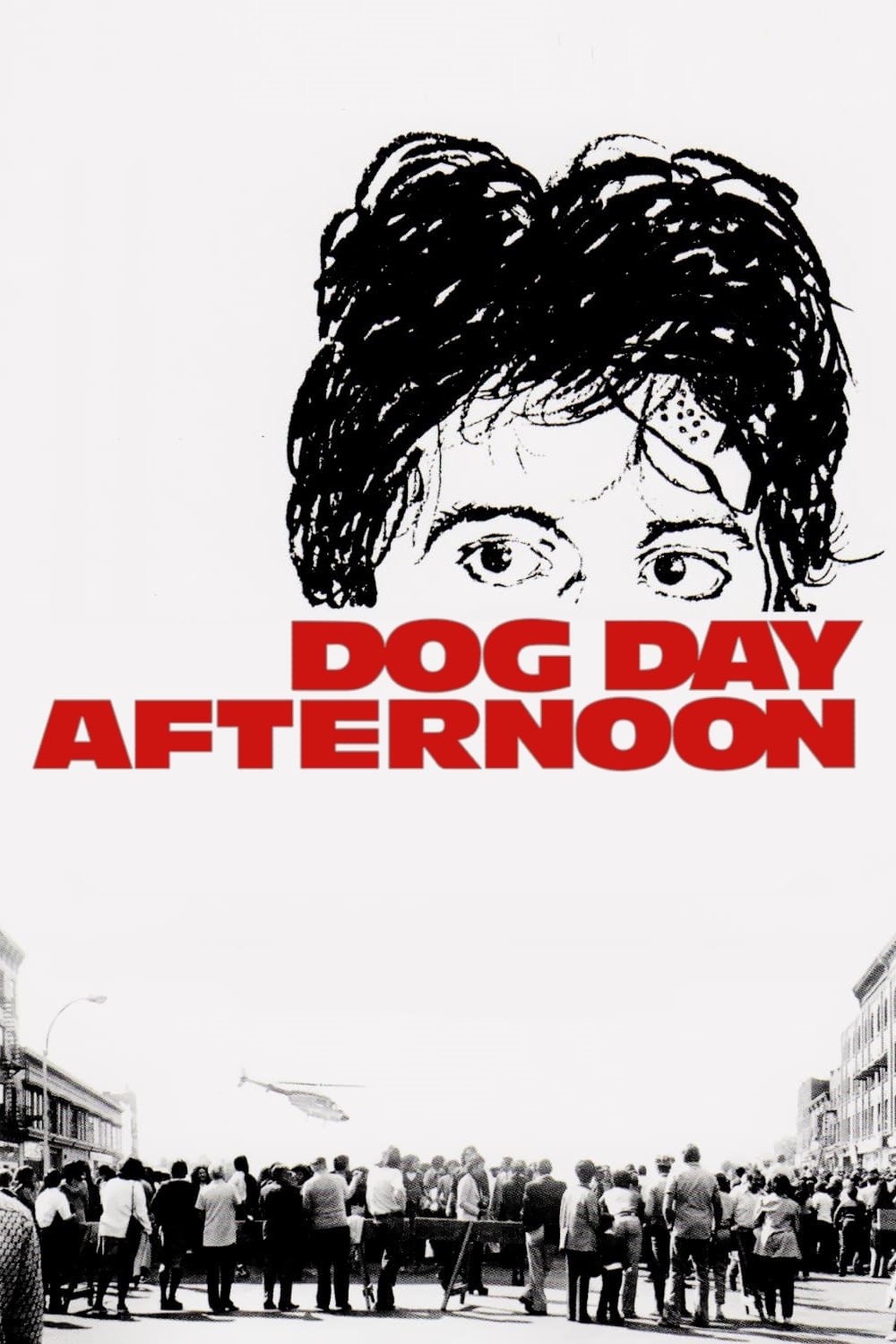
Why This Film Is Beginner-Friendly
I still remember the first time I watched this movie—I was hesitant, expecting something stiff and dated, but I was completely absorbed from the very first scene. “Dog Day Afternoon” doesn’t feel like homework; it feels alive and current, even with its 1970s setting. There’s an immediate energy to it that surprised me, and I think that’s what makes it an easy gateway into classic cinema. The raw, unpredictable tone made me forget I was watching a film nearly five decades old. I didn’t need to brush up on old Hollywood references or worry about a black-and-white visual style here; everything about the movie invites you in as a modern viewer, not just as someone looking back in time. For me, its sense of urgency, natural conversations, and focus on real human stakes offered a smooth transition from today’s movies to the world of classics.
What really put me at ease as a newcomer was how grounded the performances felt. I was amazed at how much of what I felt came not from flashy editing or wild special effects, but from genuine reactions and details. Al Pacino, in particular, doesn’t play a distant movie icon—he’s nervous, messy, scared, hopeful, and instantly recognizable as someone you could know in real life. It made me realize that classic films can be approachable for anyone, regardless of whether you already love older movies or aren’t sure where to begin. The whole story unfolds over a single, extremely hot day—no need to keep track of a complicated plot or dozens of side stories. For anyone just dipping their toes into classic cinema, I honestly think you’ll find yourself pulled along with the characters before you even realize you’ve crossed the “classic film” threshold.
What to Know Before Watching
- One of the first things that struck me was the movie’s 1970s New York setting. The city felt gritty and real, not polished or airbrushed like New York often does in today’s blockbusters. The style—not just fashion, but also the look of the neighborhood and the way people talk—might seem blunt or even rough if you’re used to modern gloss. Instead of slick, high-energy visuals, you’ll notice more natural lighting and handheld camera work, which gives the film an almost documentary-like feel.
- I found the pacing surprisingly different from most contemporary films. While the tension is present throughout, the movie spends generous time on conversations and quiet moments. If you’re used to rapid-fire editing or non-stop action, “Dog Day Afternoon” might feel like it lingers in situations or lets certain exchanges stretch out. But I quickly realized that this slower build adds intensity rather than dullness, practically daring me to watch the characters sweat—literally and figuratively.
- One thing that absolutely surprised me was how funny and unexpectedly vulnerable the movie is. The film is usually labeled as a crime drama, but there are genuine moments of humor and humanity woven in. I didn’t expect to be laughing at certain lines or feeling sudden empathy for characters who could otherwise seem like just archetypes. If you go in expecting only a serious, heavy-handed story about a bank robbery, you might be amazed at the care and warmth the film brings to its people.
Key Things to Pay Attention To
When I watch this film—especially with fresh eyes—I’m drawn first to its emotional texture. There’s a restless energy throughout, and I find it revealing to observe how each character wears their stress differently, from panicky outbursts to resigned silences. The heart of the story, for me, isn’t the bank robbery itself, but what’s bubbling under the surface: fear, love, loyalty, personal struggle. I’d encourage anyone new to classic films to really hone in on the body language and facial expressions, because so much is told in between the lines. What does Pacino’s character Sonny reveal, even when he isn’t talking? How do the other hostages and bank workers interact when they think no one’s watching?
I get a lot from watching how the camera seems to hover and linger—almost as if we’re eavesdropping. Try noticing how much of the tension and suspense comes not from big, dramatic gestures but from the mounting pressure in small acts and glances. The director, Sidney Lumet, orchestrates the action in real time and in one location, amplifying the heat of the moment and forcing the cast to react to each twist as it happens. I often remind myself to step back and just absorb the noise of the street, the clatter of voices, and the blur of police outside; the chaos feels tangible. Let yourself be swept along and, if you can, watch for how the city itself adds to the claustrophobia and volatility of what’s happening inside that bank.
Another thing that lingers with me long after the credits roll: the way the film makes even the “bad guys” feel so human. I was surprised at how quickly my sympathies shifted and how much I cared about outcomes beyond just who is right or wrong. There’s a subtle commentary about society, outsiders, and pressure, but I never feel preached to. If you’re new to classics, I think paying attention to these layers can show you how even a suspenseful story about a crime can have room for emotional complexity and subtlety.
Common Misunderstandings for First-Time Viewers
- Misunderstanding 1 – That this is simply a standard bank heist film: Several friends I’ve watched it with expected a straightforward action movie or a heavily stylized caper, the kind you see in modern heist films. But for me, the focus lands mostly on people—their fears, needs, and histories—rather than on clever schemes or explosive set pieces. It’s about what the situation reveals in personal crises, sometimes sidestepping genre expectations altogether.
- Misunderstanding 2 – That the story is full of villains and heroes: The first time I saw it, I was bracing myself to decide who I’d “side with,” as if lines would be clearly drawn. The reality is much messier. The film’s approach to morality is nuanced, making every character—even those on opposite sides of the law—feel complicated and relatable. I realized it’s more about understanding than about judgment.
- Misunderstanding 3 – That you have to know the historical context to care or understand: I have sometimes heard people say they’re put off by the idea of having to research history before watching older films. My own experience was just the opposite here—I went in cold and never felt lost. The emotions and personal journeys speak loudly on their own. Sure, knowing more about the time period can deepen your appreciation, but the dramatic core stands on its own—anxiety, hope, loyalty, disappointment. All universal, regardless of era.
Is This a Good Starting Point for Classic Cinema?
I can say wholeheartedly that this is one of the best launching pads you could pick if you’re stepping into classic cinema for the first time. There’s a vitality and unpredictability baked right into the storytelling—with scenes so tense and real that I often forget I’m not a fly on the wall in the actual bank. The characters leap off the screen, and the dialogue feels alive rather than theatrical. If you’re intimidated by the idea that “classics” might be slow, hard to relate to, or distant, this film quickly puts those fears to rest. It shows that essential themes—uncertainty, desperation, connection—aren’t bound by fashion or decade.
I’ve found “Dog Day Afternoon” especially rewarding to revisit with friends who think older movies just aren’t for them. Nearly every time, they find themselves surprised by how invested they become after only a few minutes—there’s no warming up or adjusting your expectations. The film speaks to who we are under stress, reframing what it even means to be “classic.” For me, what clinched its status as a perfect beginner’s entry was how its story encourages questions. It made me want to talk about what I’d seen, how I’d felt during certain scenes, and how I viewed the people at the center of the storm. Not many films—old or new—can do that so simply and so powerfully.
If you’re weighing whether to take the plunge with classic films, this is one I honestly wish I could experience for the first time all over again. It’s immediate, it’s moving, and it’s unpretentious—a film that proves emotional truth never goes out of style. No advanced knowledge required; just bring your curiosity and an open mind. I can’t think of a better way for first-time viewers to discover why some movies truly endure.
If you’re wondering how this film compares to others that have stood the test of time, these may help.
🎬 Check out today's best-selling movies on Amazon!
View Deals on Amazon