
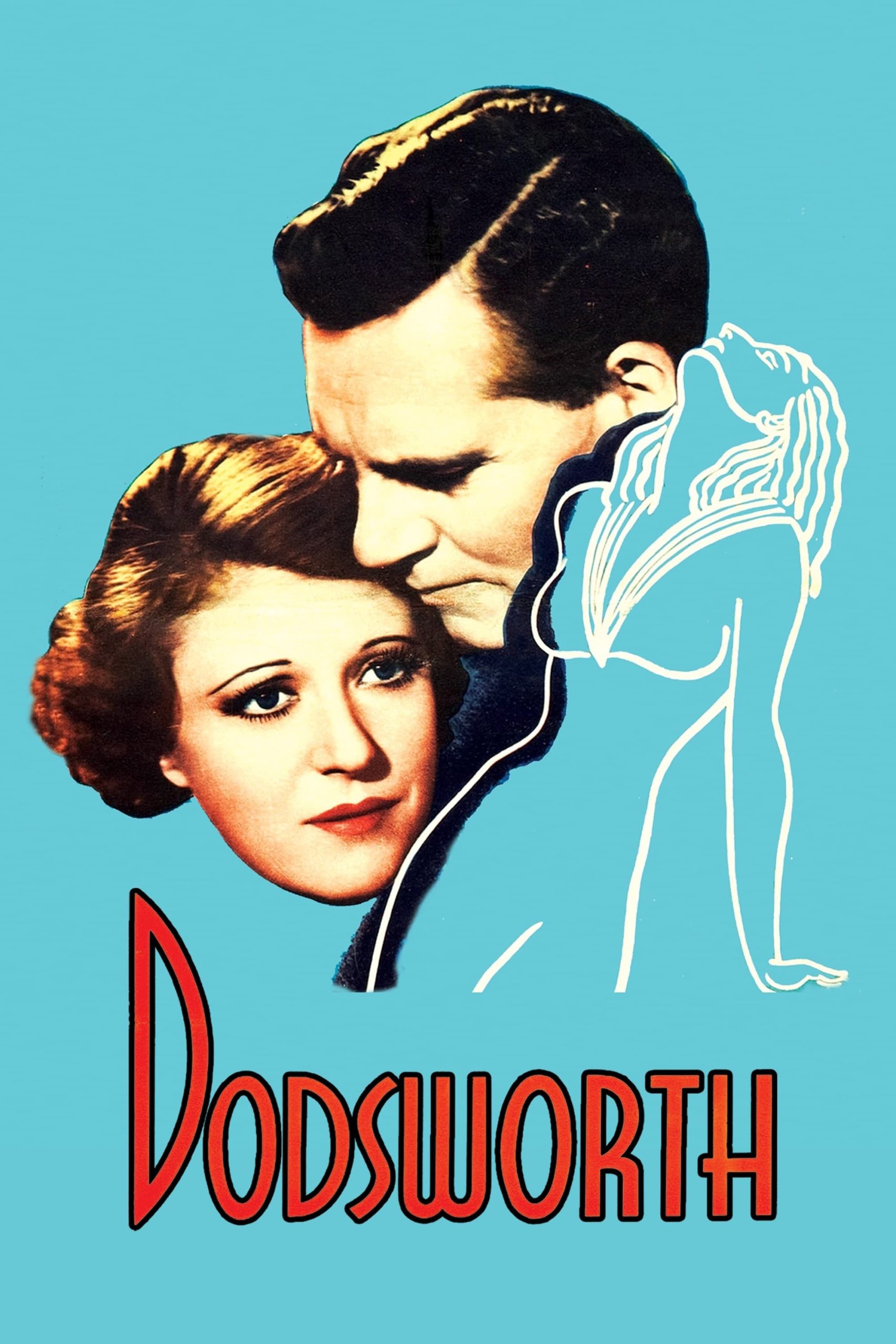
The First-Time Viewing Experience
I remember how unexpectedly quiet the room felt as I watched “Dodsworth” for the very first time. Not quiet in atmosphere, but in the hush that falls when something earnest and delicately drawn unfolds before you—when even the smallest gestures seem to demand your respect. It was as though I’d been invited to sit at a stranger’s dinner table and observe the intimate unraveling of their dreams, regrets, and ambitions. The film didn’t introduce itself loudly. Instead, it let the small and complicated moments between people sink in, giving me, as a new viewer, a strangely modern feeling of unease and empathy—not from grand melodrama, but from tiny, truthful exchanges that felt as familiar as today’s conversations.
What struck me most was the sense that “Dodsworth,” unlike some classics I’d seen, didn’t keep its audience at arm’s length. While the costumes and settings mark its age—and I did find myself staring, with fascination, at the suits and presses of hotel lobbies frozen in the art deco prime—the core experience was something I recognized more profoundly than the trappings of 1930s cinema would suggest. I felt, almost immediately, how much this film trusted its audience to care about ordinary people confronting extraordinary emotional changes. Watching for the first time, I didn’t need to know anything about the era of its release; all that mattered was the honesty between the lines, the sheer reality of aging, longing, and pride winding through each scene.
By the time the credits rolled, I was left with an ache that I hadn’t anticipated—a mixture of admiration for the film’s quiet daring and the deeply human ache of seeing people my own age, or older, grasp for new beginnings when everyone else expects them to settle for old routines. The understated dialogue, the slow burn of misunderstandings, and the gentle but firm unraveling of a marriage created a space where I, as a first-time viewer, could place myself without feeling pressured to take sides or make quick judgments. Instead, I found myself sifting through my own beliefs about happiness, commitment, and transformation right alongside the characters.
Emotional Moments That Resonate
When I look back on my first encounter with “Dodsworth,” I can immediately recall several moments that seemed to pierce straight through the screen and into my own guarded places. There’s a scene—quiet, even unremarkable in its setting—where Sam Dodsworth tries, with a kind of fragile dignity, to adjust his tie before a dinner with his wife, Fran. The gesture would be nothing in another context, but here, it spoke to a lifetime of trying to be good enough even in the small rituals of partnership. I think it’s these gentle details that draw modern viewers in. Sam’s uncertain hands, Fran’s distant gaze—they don’t scream for our attention, but they linger in our memory much longer than explosive quarrels or showy monologues ever could.
Throughout the film, Sam’s progression from successful businessman to a man grappling with who he truly is affected me on a deep level. There is a powerful sorrow and hope coexisting in his realization that his identity—so long built on work, routine, and outward stability—does not hold up when challenged by personal change. It struck me how often we all confront moments where the things we invest our lives in suddenly feel unsteady. The sense of loss, coupled with the confusing thrill of new possibility, is drawn with real tenderness.
I was especially moved by the scenes set in Europe, where the couple’s differing dreams for themselves come into sharp focus. Fran’s hunger for rejuvenation, recognition, and admiration left me feeling torn. Some part of me mourned for her, not just because of selfishness, but because of the transparent desperation for lost youth and new beginnings. When she looks into a mirror—seeking reassurance or affirmation—I saw, more than anything, a person who fears being left behind by time. That was a feeling I could relate to, regardless of era or circumstance.
Another resonant emotional high point, for me, was in Sam’s evolving connection with Edith. Their scenes together shimmer with the promise of companionship grounded not in fantasy, but in mutual respect, vulnerability, and acceptance. There’s a kind of kindness in their conversations that is often missing from depictions of romance, especially in older films. It made me long for more stories, both classic and contemporary, where the possibility of late-life happiness feels possible and real. The restraint in their courtship, marked by lingering silences and delicate confessions, felt, to my modern eyes, like a breath of needed honesty.
I found it impossible not to feel something profound during Sam’s final decision—a quiet reclaiming of self-respect and courage that, for me, went far beyond the film’s initial premise. Those last moments, underscored not by dramatic music or grand gestures but by modest, steady resolve, filled me with a bittersweet pride. “Dodsworth” chooses silence and subtlety, and that emotional tonality still resonates fiercely with anyone who’s ever had to make the hardest decision of their life alone.
How to Appreciate This Film Without Prior Knowledge
What I learned after sitting with “Dodsworth”—thinking about it on walks or while washing dishes later that week—was that it welcomes the uninitiated. You don’t need an advanced degree in film history, or a memorized list of Hollywood’s Golden Age actors, to sink into the world of this movie. In fact, I almost felt as though arriving without preconceived notions added to my experience. I wasn’t distracted by technical triumphs or the reputations of stars. Instead, I could allow the simple truths of human ambition, disappointment, aging, and hope to take center stage.
If the thought of black-and-white cinematography or genteel dialogue sounds intimidating or outdated, I can promise those anxieties soon faded for me. The story’s emotional directness cut through any sense of distance. The language is careful and perhaps more formal than I’m used to in contemporary film, yet there’s a refreshing depth to it—lines crafted to last, to reveal new layers with each repetition. Rather than feeling alienated, I sometimes found myself pausing for the weight of a single phrase, turning it over in my mind. This slowness—the willingness to linger over subtleties—made the film feel welcoming rather than opaque.
Even without knowledge of the 1930s social climate or the original Sinclair Lewis novel, I was able to gauge the stakes, the fears, and the shifting power dynamics at play. The film doesn’t require me to remember historical events or economic realities. It asks only that I watch people honestly fighting for the shape of their own lives. That theme, I realized, doesn’t age with a film’s release date. Instead, it quietly insists on relevance no matter who’s watching—or when.
It actually became a kind of gentle permission. I could just watch the emotions—not worry about references or background—and trust the characters to teach me what mattered as the film progressed. “Dodsworth” is designed, I felt, to reward patience and presence, not expertise.
Who This Film Is Best Suited For
- Anyone who finds comfort or fascination in stories of mature love, loss, or reinvention
- Viewers who crave emotionally honest, dialogue-driven drama instead of sensation or spectacle
- Newcomers to classic cinema looking for an accessible, deeply human entry point
A Beginner’s Final Recommendation
I wish I could go back and reassure myself before I pressed play on “Dodsworth”—and, in a way, reassure you, too. Sometimes, the reputations of classic films can cast a long, daunting shadow; we’re told they are “important” or “essential,” which is true in one sense, but rarely what makes them unforgettable. My experience with “Dodsworth” taught me that its endurance isn’t just a matter of historical legacy or critical acclaim. Its staying power lies in how candidly it allows its characters to stumble toward honesty about themselves and each other. There’s beauty in the messiness—the way Sam mourns who he thought he was, the way Fran clings to fading solace, and the way both are forced to reckon with the cost of unmet desires.
To this day, what stays with me isn’t any particular line or scene, but the aftertaste of humility and hope. The film doesn’t come wrapped in nostalgia or idealism; it meets you on the uncertain ground of real adulthood, where letting go is just as daring as holding on. If you approach “Dodsworth” with patience and openness—unbothered by its age or pacing—it will, I’m convinced, give you more than most films made in any era. It’s never about faultless heroes or villains, but about ordinary people making extraordinary choices, in rooms that look a little like our own.
If you’re on the fence, worried about “getting” the film or missing some secret key to classic cinema, know that I felt the same. All you need, truly, is willingness to listen—to that quiet that fills the room when something truthful is taking place. Watching “Dodsworth” for the first time, I came away with more questions than answers, but also with the sense of having witnessed something gentle, elegant, and stubbornly alive. I hope, if you give it the same chance, you’ll discover not just why it’s revered, but why it feels—surprisingly, achingly—timeless.
To understand whether timeless appeal still resonates today, modern reassessments are worth exploring.
🎬 Check out today's best-selling movies on Amazon!
View Deals on Amazon