Why This Film Is Beginner-Friendly
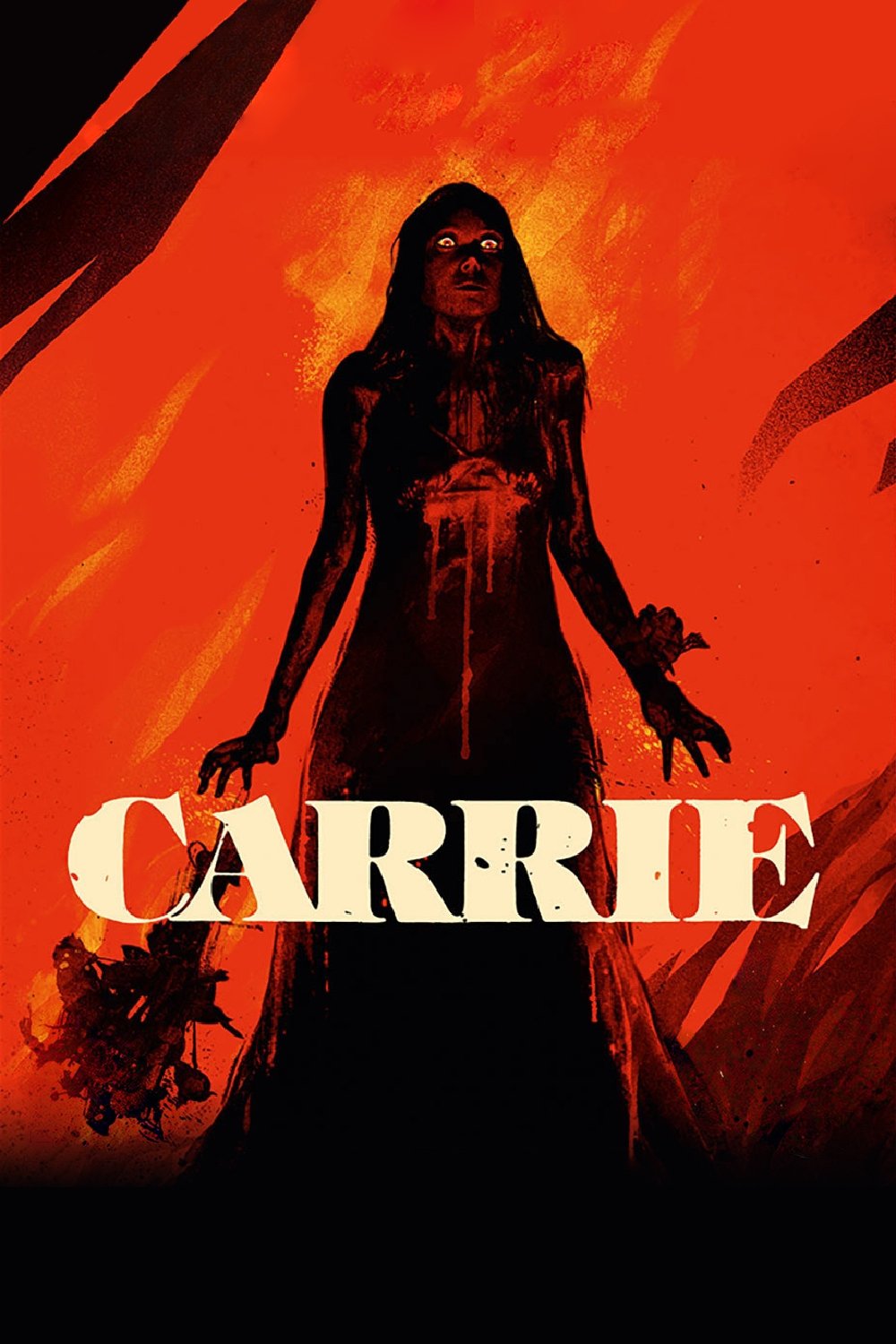
When I first sat down to watch this chilling high school tale from the late 1970s, I remember feeling a mix of curiosity and hesitation. So many classic films can feel intimidating to newcomers—maybe the black-and-white imagery, the old-fashioned way people speak, or the sense that you’re somehow supposed to “get it” from the jump. But for me, this one felt different from the start. Truthfully, the appeal of “Carrie” is how it bridges the gap between timeless storytelling and the sort of emotional immediacy I’m used to from modern movies.
Even if I knew nothing about older films, the story wrapped me up as quickly as anything I’d seen. Characters didn’t feel out of reach; their struggles—teenage shame, desire for acceptance, fear of standing out—were instantly relatable. The movie’s blend of supernatural suspense and honest, all-too-human emotion gave me both goosebumps and empathy. I realized that you don’t need to be a horror expert or a lover of older cinema to get caught up in its drama.
Another reason I found the film so accessible is its brisk pace and clear, simple structure. Unlike some classics that jump around in time or language, this one follows a direct path. Every moment feels driven and urgent. I never felt myself drifting or confused. It’s also visually striking; every scene is purposeful, and the color, camera movement, and sometimes even the music help tell you exactly how to feel without complicated symbolism. If you’re nervous that starting with an older movie means wading through something slow or dull, this film does the opposite. It’s a classic for good reason—it welcomes you in, makes you care, and never lets you go.
What to Know Before Watching
- Although this movie is considered a “classic,” it’s not ancient—it was made in the mid-1970s, so you’ll notice it feels retro, but not unrelatable. That said, the hair, makeup, and clothing choices might make you laugh or feel surprised if you’re used to modern settings. I actually found this charming, and it sets the atmosphere without being distracting.
- Compared to many movies today, I felt the pacing was a bit more deliberate. The film takes its time developing suspense and introducing its characters before everything erupts. Don’t expect the non-stop action you might see in recent horror flicks. The suspense grows by degrees, which, for me, actually increased my anticipation and investment in the story. Watch for how tension slowly builds rather than bursting right away.
- When I watched for the first time, I was surprised by how the film combines genres. It’s often described as horror, but to me, it felt just as much like a coming-of-age drama. While there are moments of violence and intensity, I spent far more time connecting with characters’ feelings than hiding behind a pillow. I wish I’d known that “Carrie” is as much about human pain and longing as it is about scares.
- As someone new to the film, you might notice editing and special effects that seem less polished than today’s standards. I find there’s a hand-crafted quality to these sequences, which can feel unusual at first. Rather than looking for perfection, I started paying attention to how these choices amplified the emotional intensity, even if they seemed a bit raw by current standards.
- The emotional range of the film might surprise those expecting straightforward horror. I was genuinely moved by some of the relationships and by the title character’s vulnerability. The film doesn’t pull away from pain, awkwardness, or even moments of hope, which I wasn’t expecting when I first pressed play.
Key Things to Pay Attention To
Whenever I guide someone new through their first viewing, I suggest letting your guard down and really watching the faces—especially Carrie’s. For me, the heart of the film isn’t the shocks or the scares, but that constant, trembling anxiety in her eyes. I found myself drawn in by the rawness Sissy Spacek brings to the role, and even if supernatural abilities are in the spotlight, it’s her emotions that make every scene land.
I also tell friends to notice how the director creates tension. It’s not just what’s happening in the story; it’s the way the scenes are pieced together, the way music ramps up or drops away, and the way the camera sometimes lingers just a moment too long. I got the sense, watching, that the movie wants you to squirm—not only from fear, but from empathy and discomfort. Sometimes, the most powerful moments sneak up on you not with a scream, but with a whisper or a pleading look.
Visual storytelling is another strong point. I realized after my first go-through that little things—the color of dresses, the shadows on walls, even drops of water—carry meaning. The iconic scenes, which are referenced so often in pop culture, stay gripping because every element in the frame is chosen for a reason. If you relax and let yourself read the images, rather than hunting for literal explanations, you’ll notice how every detail builds the atmosphere and clues you in to characters’ feelings.
Above all, I keep my focus on the relationships: the awkwardness and cruelty of Carrie’s classmates, the intensity of her mother’s beliefs, and even the kindnesses that are offered. Each interaction tells its own story, and part of the pleasure, for me, came from watching how small gestures—an apology, a glance in the hallway—take on huge meaning. Try to watch not just for what people are saying, but for what they can’t say or are too scared to admit.
Finally, I recommend paying attention to how the movie treats the theme of being “different.” For anyone who’s ever felt like they didn’t fit in (and I think that’s all of us, at some point), the underlying message is unmistakably universal. The movie uses horror not just to frighten, but to amplify those everyday high school terrors and make them unforgettable.
Common Misunderstandings for First-Time Viewers
- Thinking this is “just” a horror movie – I’ve talked to so many people who expected only blood or scares, and then were really struck by how much the film cares about its characters’ inner worlds. I had this misconception too, but the story spends much more time with emotions, awkwardness, and longing than with shock value.
- Assuming old movies can’t feel relevant – I’ll admit, I worried at first that a movie made decades ago wouldn’t speak to the things I care about now. But I was amazed to find that the themes—feeling misunderstood, desperate to belong, struggling with parents—are as current as ever. Sometimes, watching this film, I thought how little had changed about growing up.
- Believing the effects would ruin the experience – I was sure the older practical effects and editing might make it hard to take the story seriously. Instead, I found that the style created a unique intensity. The homemade touches didn’t break the mood for me—in fact, they pulled me deeper in and gave the movie a kind of eerie poetry that I don’t see in today’s digital movies.
Is This a Good Starting Point for Classic Cinema?
I’ve introduced “Carrie” to friends who were hesitant to try anything pre-1990, and I’ve watched them get totally absorbed—sometimes covering their faces, but always asking questions and caring about what happens next. Everything about this movie feels designed to pull someone in, rather than push them away. I think it works so well as a starting point for anyone new to classic cinema because it’s both gripping and emotionally sincere. The experience is so direct: you’ll find yourself caught up in a story where the human stakes are always front and center, and the age of the film quickly disappears into the background.
My own first viewing got me hooked on looking further into classic movies, simply because it never made me feel like I needed some “instruction manual.” Instead, it invited me to feel, react, and relate. For beginners, that’s the highest praise I can offer. This isn’t a film that demands deep knowledge of film history to enjoy; you just need an open mind and maybe a blanket to grab onto during the most nerve-wracking moments.
If you’re nervous about stepping into classic cinema for the first time, I genuinely can’t think of a better place to start. It’s thoughtful, unsettling, surprisingly beautiful in places, and—best of all—totally involving for anyone. I’m sure you’ll finish it excited to try more classic stories, regardless of the decade they’re from.
If you’re wondering how this film compares to others that have stood the test of time, these may help.
🎬 Check out today's best-selling movies on Amazon!
View Deals on Amazon