
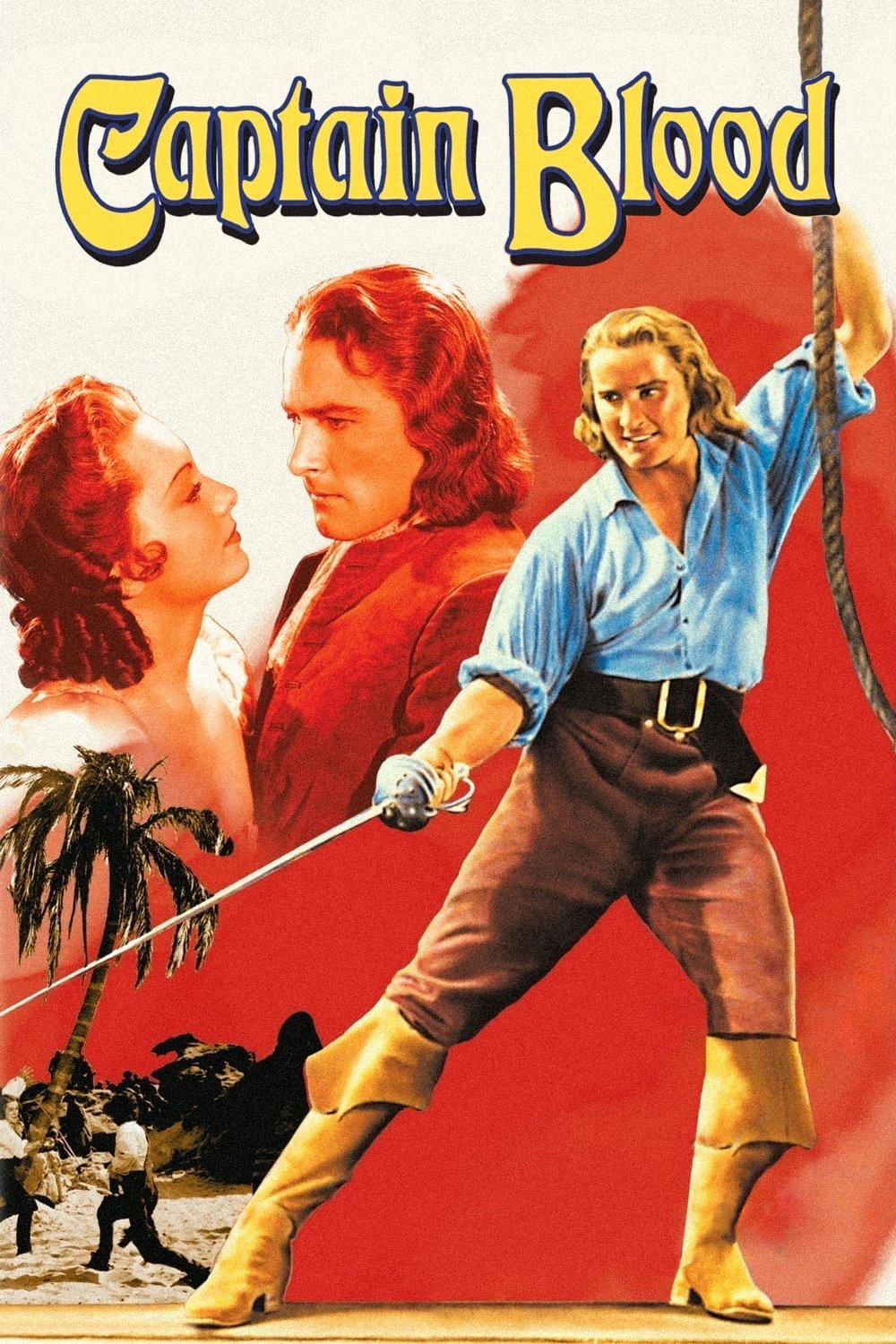
Why This Film Is Beginner-Friendly
Walking into my first experience with “Captain Blood,” I quickly realized how welcoming it can feel to someone tiptoeing into the sometimes daunting world of classic cinema. I used to think older movies would be stuffy or too far removed from my modern sensibilities, but this swashbuckling adventure surprised me with just how instantly engaging it is. From the early moments, the pacing zips along in a way that feels lively and spirited. I never felt stranded by outmoded storytelling—the stakes are clear, and the hero’s journey swept me up with its sense of daring and hope. One of the most remarkable discoveries for me was that this movie is genuinely fun; it doesn’t ask you to slog through heavy-handed drama or archaic dialogue. Instead, it’s like opening a crisp adventure novel, the kind that almost beckons you to get comfortable and enjoy the ride.
I always imagined films from the 1930s as distant relics, but “Captain Blood” dissolved those worries. The characters are vibrant, and the action sequences (while not as loud or explosive as today’s blockbusters) radiate a kind of earnest excitement. I didn’t need a degree in film history to follow what was happening or to care about the characters. The film carries you along with a mix of wit, charm, and sweeping romance. That mix makes it incredibly approachable for anyone, like me, who may have hesitated about watching anything labeled “old.” There’s nothing intimidating here—the film opens its arms wide and makes you feel like you’re in for a good time, not a museum lecture.
What to Know Before Watching
- Classic films like this one are typically in black and white, which can seem unusual if you, like me, usually watch modern movies.
- The style of acting is sometimes more theatrical, with actors holding their expressions a touch longer or delivering lines in a more pronounced way—it helps to think of it like a storybook being read aloud.
- Action and romance scenes don’t use the same special effects or editing tricks we see now, so the swordfights and chases are a little more stylized rather than realistic or hyper-violent.
- The dialogue often moves at a crisp pace, with a kind of cleverness and sophistication that’s different from today’s action banter—sometimes, I had to really tune in to catch the humor or sarcasm in their exchanges.
- Minor accents or period-specific terms occasionally pop up; while I was nervous I wouldn’t understand everything, most of the story is so visually clear that nothing crucial ever felt lost on me.
- There’s a sweeping musical score that sets the mood in ways we don’t always hear in more minimalistic modern films—it helps the emotions feel bigger and brings a satisfying sense of drama to the adventure.
- Your patience with the film’s rhythm will pay off. At first, I was antsy for the “pirate action,” but I soon realized the movie likes to savor its journey, letting both the peril and the romance breathe a little.
Key Things to Pay Attention To
Whenever I suggest “Captain Blood” to someone new to classic cinema, I point out how much it rewards simply watching the characters. Errol Flynn, in his breakthrough role, is magnetic. I allowed myself to be drawn in by his mix of wounded pride, moral conviction, and devil-may-care charm. What surprised me most was how clearly the film wears its human drama on its sleeve; it’s easy to root for the good guys and hiss at the villains. The emotional clarity helps if you’re still acclimating to older filmmaking techniques.
I also recommend letting yourself get caught up in the film’s sense of movement. Even though some of the action looks almost balletic by today’s standards, that’s where a lot of its charm lives. The duels, shipboard escapes, and dashing rescues have a kind of choreography that felt almost like watching a live performance to me. The sets and practical effects draw you into the world—look closely at how light and shadow give depth to the scenes, especially on the pirate ships or at the governor’s mansion. You don’t need technical know-how to enjoy this; just notice how it feels like you’re right there with them.
The romantic thread between the leads, Flynn and Olivia de Havilland, carried a tangible spark for me. Their glances and exchanges aren’t just filler—they’re a huge part of what makes the film continue to resonate. I found myself invested not just in whether the good guys would win, but whether these two could find common ground in a world stacked against them. The movie never talks down to the audience; there’s an unspoken trust that you’ll pick up on these undercurrents—whether in a look, a pause, or a particularly charged line. Paying attention to these unspoken cues added real richness to my viewing experience.
Common Misunderstandings for First-Time Viewers
- Thinking the film will feel “old-fashioned” in a boring way – I initially braced for dusty storytelling, but instead found it vibrant and utterly charming. The excitement and romance aren’t muted by age; they’re just delivered differently.
- Expecting non-stop action – My first watch taught me that the film builds its suspense patiently, giving space for character moments alongside its swashbuckling thrills. The quieter scenes between the action actually made me care more about the swordfights that followed.
- Assuming the black-and-white presentation will be off-putting – I worried that a lack of color would feel dull, but instead, I noticed how the sharp contrasts and lighting created a dramatic, imaginative atmosphere that full color sometimes can’t match.
Is This a Good Starting Point for Classic Cinema?
If you’re anything like I was—eager but a little apprehensive about where to jump into classic film—I can’t imagine a more welcoming doorway than “Captain Blood.” It embodies the best of what classic Hollywood adventure has to offer, without overwhelming you with dense subtext or demanding historical knowledge. Everything you need to enjoy it is right there on the screen. I came away with a genuine sense of excitement, almost like I’d just discovered the root of all my favorite adventure movies. The way it balances spectacle, romance, and a dash of humor makes it feel surprisingly fresh.
What matters most, in my experience, is how a film makes you feel as a newcomer. “Captain Blood” never made me feel out of my depth. Instead, it swept me up in the kind of breezy, joyous storytelling that made me understand why people turn to classic movies for comfort. For anyone worried about not “getting” older films, I found this one tells its story with remarkable clarity and heart. I never once felt lost or left behind. It doesn’t require homework or a background in film studies—just a willingness to enjoy a well-told tale.
I see “Captain Blood” as a wonderful litmus test: if you find yourself smiling, leaning in, or feeling your heart race, you’ll have proof that classic films can be just as engaging as anything made today. And who knows? Like me, you might finish the film already itching to discover what other treasures this era has in store. If you’re wondering where to start, I truly think you couldn’t ask for a better introduction.
If you’re wondering how this film compares to others that have stood the test of time, these may help.
🎬 Check out today's best-selling movies on Amazon!
View Deals on Amazon