
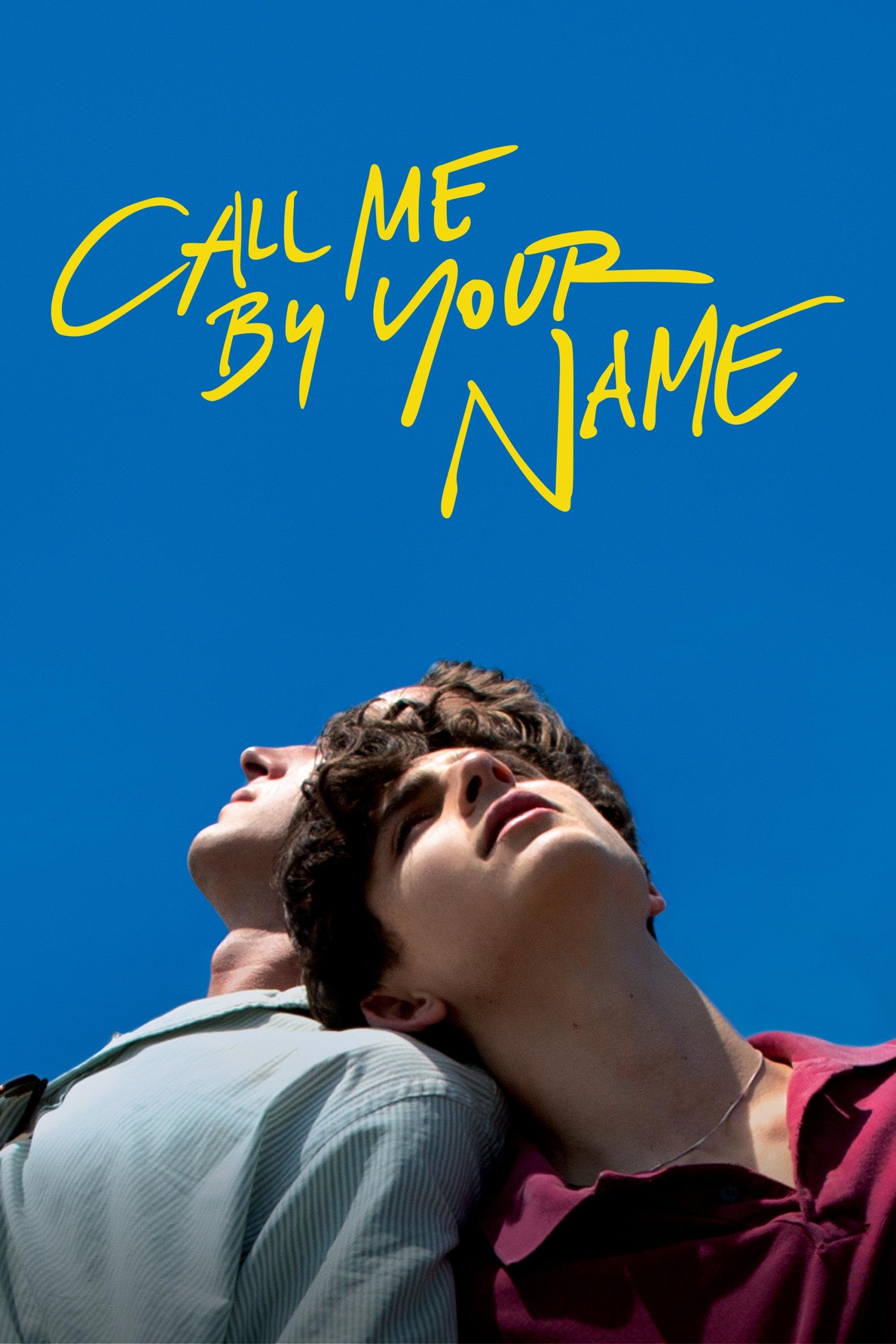
The First-Time Viewing Experience
Sometimes I remember the exact room, the hush of a late evening, the faint clink of ice against glass—those small details tend to stick with me when a film quietly slips under my skin. When I first watched “Call Me by Your Name,” I found myself almost breathless, as though the screen itself had grown larger and more intimate all at once. The first-time viewing conjured an oddly personal nostalgia for places and people I’d never known. I could almost taste the summer air between every sunlit scene.
If you’re seeing it for the first time, you might notice how time feels suspended; the pacing isn’t in any hurry. I remember sensing a gentle invitation, as if the film was asking me not to analyze or seek answers, but to observe, to linger in moments. I found myself lost in the mood—the way the light filters through the curtains, the lushness of the Italian countryside, how summer is both endless and fragile. For a new viewer, this film often feels like a memory you’re only just starting to recall, full of incomplete details and inarticulate yearning. There’s a softness and an aching vulnerability, the kind that sneaks up on you. I think what I felt most sharply was the sensation of entering the story with open hands, not sure what I would take away but certain I’d be changed.
What strikes me is how “Call Me by Your Name” seems to hold space for quiet, ordinary things. The intimacy of glances at the breakfast table, the rustle of peach trees in the afternoon—it’s the little silences between words that become colossal. Watching this film is nothing like a traditional romance that hurries toward resolution. Here, I was drawn into a subtle rhythm, where emotions simmer beneath simple gestures. And the most surprising thing for me was how much I found myself reflecting not just on the love story at the heart of the film, but on my own rites of passage, the summers that defined me, and how the ache of first affection can still echo years later.
Emotional Moments That Resonate
I still remember the sense of trembling anticipation I felt each time Elio and Oliver share a wordless glance. One of the moments that lingers with me—one that pulses with emotional electricity—happens by the river on a heavy afternoon: Elio opens up to Oliver, half-confessing, half-testing the weight of longing. I could feel the vulnerability in that scene; it reminded me of youthful moments when honesty feels like both a freedom and a risk. The tangled confusion and the sharp, sweet pain of uncertainty—those are feelings I rarely see depicted so gently and so boldly at once.
But the scenes that I still revisit in my mind are often quieter. There’s the simple act of a piano duet, where hesitance gradually gives way to shared mischief. In that moment, I felt that music became a language for everything unspoken, and I found myself wanting to reach through the screen to hold onto the fleeting spark. There’s a stroll through apricot orchards, a midnight bike ride, the small but seismic shift when hands touch for a little too long. The film’s restraint is what moved me most deeply—instead of grand declarations, I encountered a series of minor, gorgeously rendered heartbreaks and revelations. I watched two people circling each other, wary and hopeful, and I found echoes of my own hesitations and desires.
If there’s a single scene that shaped my understanding of grief and tenderness, it comes near the end. Elio’s father, in a soft and luminous monologue, offers a kind of grace and permission to his son that left me stunned. It wasn’t just the words—though they were beautiful—it was the compassion, the implicit acknowledgment that pain and joy are bound together, and that embracing loss is part of what keeps us open to love. When I first saw this, I remember feeling a delicate ache; my own experiences seemed to shift, illuminated by the wisdom and hope in what could have been an ordinary conversation.
For me, “Call Me by Your Name” isn’t about the specifics of place or plot as much as it is about how memory works—how every detail, every uncertainty, is preserved in amber. If you’re new to the film, you might find yourself unexpectedly wounded by a shared laugh, or by the sight of Elio weeping by the fireplace. These moments feel universal: the joy of discovery, the vulnerability of attraction, the lingering ache of goodbye. I think that’s why the emotional resonance lingers—because the film invites us to honor our own deeply felt memories, and reawaken parts of ourselves that sometimes go dormant.
How to Appreciate This Film Without Prior Knowledge
When I first watched “Call Me by Your Name,” I had no map. I hadn’t read André Aciman’s novel, I didn’t know much about the era or the setting. It turns out, I didn’t need any of that—the film’s beauty washed over me all the same. Sometimes viewers worry they need a working knowledge of European art or queer cinema to truly understand this movie. My experience tells me otherwise. All I needed was a willingness to listen, to settle into the film’s peculiar, dreamy rhythm and allow its small revelations to unfold at their pace.
It didn’t matter that I missed subtle references to classical music or that I couldn’t name every painting in the Perlmans’ villa. Instead, I focused on how the film made me feel: the freedom of summer, the rush of first attraction, the sting of parting. The characters aren’t meant to be puzzles to be solved, but people to be understood through glimpses—sometimes contradictory, always real. For my first viewing, I found that the less I tried to intellectualize, the more I was able to empathize and connect.
I think the best way to approach “Call Me by Your Name” as a newcomer is to let instinct guide your reactions. If a small gesture brings a lump to your throat or a song resonates with you, it’s not by accident; the movie is built on evocative details that don’t require translation or cultural context. You don’t need to come prepared with film theory or historical perspective. The ache of a missed opportunity, the thrill of discovery, the longing for connection—these are universal experiences. I’ve found that by simply showing up, openhearted and curious, viewers are often rewarded with moments of deep recognition and comfort. The movie’s greatest magic is that it doesn’t demand fluency in anything but feeling.
Who This Film Is Best Suited For
- Lovers of quiet, atmospheric storytelling
- Anyone who has ever felt the bittersweet pang of first love
- Viewers seeking a film that lingers long after the credits roll
A Beginner’s Final Recommendation
Starting a so-called “classic” like “Call Me by Your Name” can feel intimidating—especially now, when the film is both intensely celebrated and intimately personal to so many. When I first pressed play, I worried if I’d be moved as deeply as others seemed to be. What I discovered was that this isn’t a film that tries to impress through spectacle or heavy-handed lessons. Instead, it asks for patience and openness, rewarding both with moments of delicate truth.
If this is your first encounter, you don’t need to “get” everything right away. It’s worth watching for how it feels: the gentle glow of sunlight in ancient halls, the tremble of possibility between two people. Let yourself be immersed in the season, the setting, the music, the textures. I found that my strongest reactions often came days later, when a line or gesture drifted back to me, illuminated by my own memories and longings.
I’d urge you to trust your responses. Some moments will resonate more than others, and that’s part of the experience. Classic films aren’t about passing a test—they’re invitations to see the world, and yourself, a little differently. “Call Me by Your Name” offers a rare kind of welcome: generous, slow-burning, unexpectedly radiant. I stepped into the film as a stranger, unsure of what I’d find. I emerged, each time, feeling both seen and changed.
If I could sit with a first-time viewer, I’d encourage you—not to watch for what’s been hyped or debated, but to notice what quietly stirs in you as you watch. This is a film that doesn’t just ask to be seen; it asks you to feel, to remember, to reflect. I think that’s why, for all its acclaim, it still feels like a secret—one you get to keep with you after the screen fades to black. That’s a rare gift, and one I’d wish for anyone beginning the journey tonight.
To understand whether timeless appeal still resonates today, modern reassessments are worth exploring.
🎬 Check out today's best-selling movies on Amazon!
View Deals on Amazon