
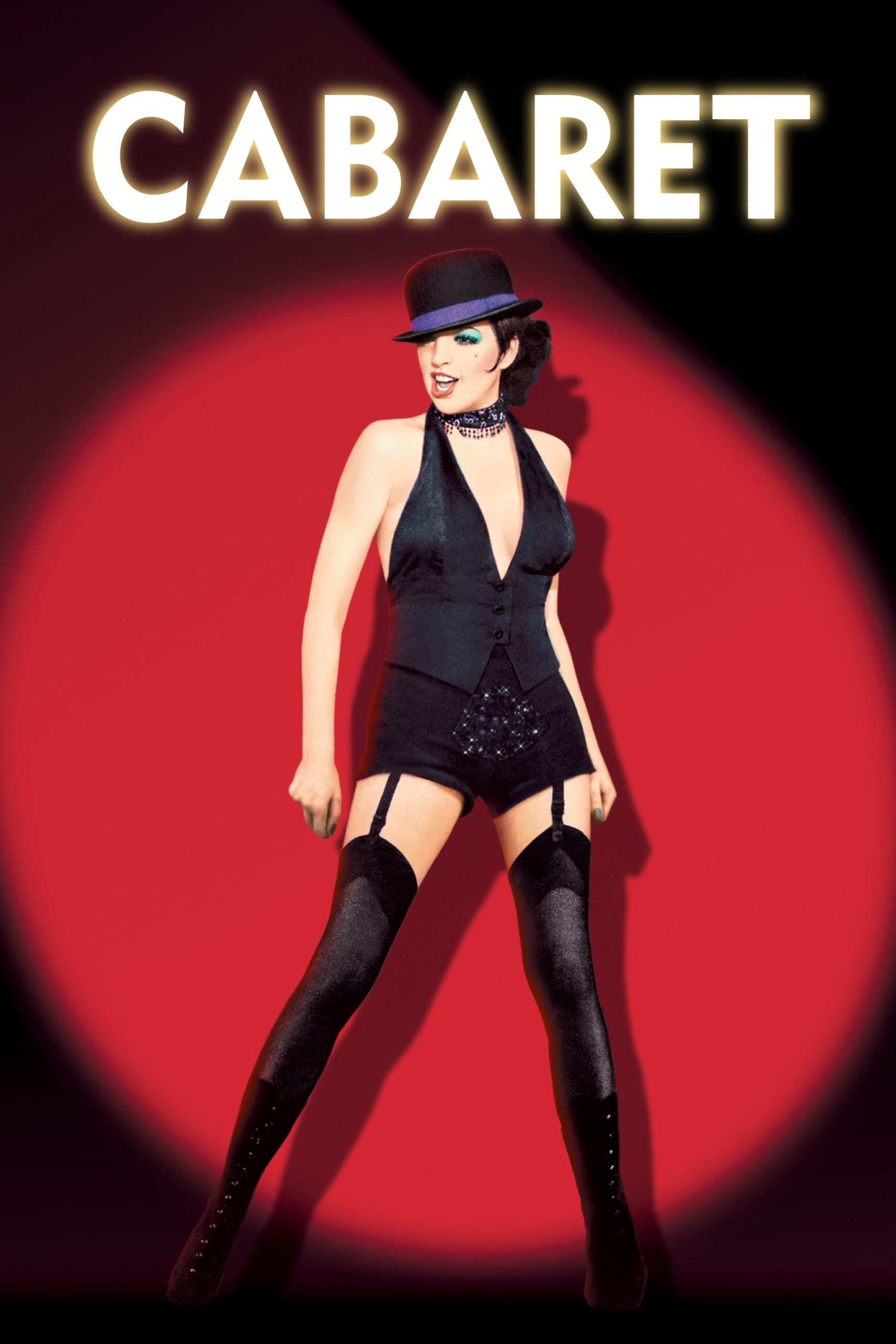
Why This Film Is Beginner-Friendly
The first time I saw “Cabaret,” I remember thinking it was unlike any “old movie” I’d ever expected. I’d grown up believing classic films were, frankly, a little stiff or distant from the world I knew. This one shattered that idea almost immediately. The music, the dancing, the colors—I felt pulled right into the energy of the story rather than held at arm’s length. What struck me most was how modern the whole experience felt, even though the movie came out decades ago. The humor was sharp, the performances were electric, and the themes felt surprisingly current. I didn’t need to know much about musicals or silent film history or anything “film buff” at all to understand it or enjoy it. Even for someone who isn’t naturally drawn to musicals or period pieces, “Cabaret” throws you into a world that feels vivid and alive.
For me, the characters made it especially inviting. The people in this film aren’t distant icons or relics—they’re bursting with feelings that I could recognize right away. Sally Bowles, played by Liza Minnelli, radiates a kind of frantic joy and aching uncertainty that I totally connected with on my first watch. The movie balances big showstopping numbers with smaller, intimate moments so well, never assuming you need a PhD in cinema to come along for the ride. There’s something wonderfully approachable about seeing these performers grow, struggle, and entertain right in front of your eyes. So, if you’ve ever worried that classic films might be hard to “get” or require lots of background knowledge, this one gently proves the opposite.
What also made “Cabaret” stand out for me as a beginner was how visually dynamic it is. Every set piece, every costume, every light felt like it was designed to grab my attention and tell the story. Even if I missed some of the historical context, I found myself completely absorbed by the look of the film. It’s hard to feel bored or left out when the movie is this visually playful. I think anyone dipping their toes into classic movies for the first time will find “Cabaret” welcoming and even invigorating. It feels like it was made for newcomers to discover and fall in love with what film can do.
What to Know Before Watching
- One thing I had to wrap my head around was the historical setting. The film takes place in Berlin during the 1930s, a period full of social changes and political unrest. Even if you’re not a history buff, you’ll sense that something dark is looming over this bright, energetic nightclub world. It can be a little surprising how joy and looming danger live side by side.
- Compared to today’s rapid-fire editing and storytelling, “Cabaret” takes its time. Some scenes linger on performances in the club, letting songs and emotions unfold in real-time. I realized early on that the movie isn’t rushing to its point—instead, it lets the atmosphere build slowly, so you have to be ready to settle in and watch moments play out.
- I was surprised by how daring and modern some of the subject matter felt, especially considering the film’s age. Issues of sexuality, identity, and even politics are addressed very openly (and sometimes quite provocatively) for a movie made in the early 1970s. Don’t be shocked if it seems more bold or risqué than you’d expect from an “old film.”
- If you’re used to musicals where characters burst into song about their personal feelings in dramatic fashion, you might find “Cabaret” a bit different. Here, most of the music happens on stage in the club, as part of the characters’ acts rather than their inner thoughts. It’s a unique approach that keeps the story grounded and makes every musical number serve the world of the film—something that’s both fun and, at first, a little unexpected.
- Some of the accents, language, or references can feel unfamiliar if you haven’t seen movies set in Europe or older films. I found that just letting these details wash over me and focusing on the bigger emotional beats made the film easier to enjoy, even if I missed a reference here and there.
Key Things to Pay Attention To
When I started watching, I quickly realized that the heart of the movie lies in the people, not just the spectacle. I always recommend keeping a close eye on how Sally Bowles expresses herself—not just in her performances, but in those quieter moments backstage or with her friends. I found myself fascinated by her bravado, and at the same time, deeply moved by her vulnerability. It made me think about the ways people perform not just on stage, but in their real lives, and that’s something the film really plays with.
The emotions running underneath every scene are a big reason I find “Cabaret” so easy to engage with. Even when I’m swept up in the comedic moments or blown away by Minnelli’s show-stopping numbers, I try to notice how the mood in the club changes as the story outside starts to intrude. It’s powerful to watch the contrast—one minute the Kit Kat Klub feels like a safe, glittering escape, and the next, you sense that the outside world is knocking at the door. I love focusing on the faces in the crowd or the subtle glances between characters; often those small cues tell you what’s really going on emotionally, even more than the songs do.
Visually, I’d encourage first-time viewers to soak in the movie’s design. The camera doesn’t just capture the action on stage but often swings into the audience or lingers on unusual angles. I remember noticing how the changing lighting and colors mirrored the shifting moods, and the way director Bob Fosse cuts back and forth from the cabaret to the outside world. For me, the visual style is a cue: when the world outside gets darker, the inside of the club starts to feel less safe, too.
I also found that the film’s humor works best when you keep an ear out for the clever lyrics and biting jokes, often delivered by the Master of Ceremonies. He was both hilarious and, honestly, a bit unsettling at times. Paying attention to his role gave me insight into the story’s bigger ideas—he sometimes seemed to be commenting directly to me, not just to the club audience, about what was happening in society. It’s playful, but there’s always another layer to notice if you want to dig deeper.
Above all, I think it helps to watch for the connections between the characters. Their relationships are messy and real in a way that caught me by surprise. The choices they make, the frustrations they feel—none of it is spelled out in big speeches. Instead, it’s in those fleeting expressions or the way a song might change the air in the room. As a beginner, I found it reassuring that I didn’t need to catch every detail to follow what mattered: the human heart at the movie’s center.
Common Misunderstandings for First-Time Viewers
- Thinking it’s a “traditional musical” – The first time I watched “Cabaret,” I expected characters to burst into song about their deepest feelings, the way they do in classic musicals like “Singin’ in the Rain.” I had to adjust. In this film, almost all the musical numbers are actual performances set within the club. For me, this made the story feel more grounded and the songs more connected to the characters’ real lives.
- Assuming the club setting is just for entertainment – At first glance, the wild nightclub scenes might seem frivolous or separate from the serious story happening outside. But as I watched, I realized they actually reflect what’s happening in Berlin and in the characters’ lives. These aren’t just fun interruptions; they’re full of meaning and often serve as a mirror or warning about the broader world. I found that noticing this connection made the movie much richer.
- Expecting a simple good-versus-evil story – I thought I’d find clear heroes and villains here, but the movie resists this. The characters are flawed, complex, sometimes frustrating. Nobody fits neatly into a “good” or “bad” box. I realized quickly that a lot of the power comes from how the film lets the gray areas exist. It challenged me to root for messy people and to see that courage and fear can live side by side.
Is This a Good Starting Point for Classic Cinema?
Looking back at my own journey into classic film, I can honestly say “Cabaret” was a turning point for me. It opened my mind to the fact that classic movies could be immediate, surprising, and relevant—far from the distant, dusty movies I’d always pictured. For first-time viewers, I think it’s a gift: it’s engaging, emotional, and a little bit wild, without ever expecting you to be an expert in film history. The performances are electric, the story is easy to grab hold of, and the visuals are dazzling enough to enthrall anyone who’s used to streaming services and modern TV. If you’re nervous about dipping into older films, I genuinely believe this is one of the friendliest, most energizing places to start.
What gives me even more confidence in recommending it as a beginner’s pick is that it works on so many levels. You could just enjoy the songs and the spectacle (which I still do on every rewatch), or you could follow the deeper questions the movie asks about freedom, identity, and standing up to darkness. There’s no secret language you need to learn, no gatekeeping to get through—the film invites you in and gives you plenty of ways to connect. I remember coming away from it with a wider view of what movies could do, and a new excitement to see what other classics I might have been missing out on all this time. For anyone thinking “Are classic films for me?”, “Cabaret” gave me my answer, and I think it can do the same for you.
If you’re wondering how this film compares to others that have stood the test of time, these may help.
🎬 Check out today's best-selling movies on Amazon!
View Deals on Amazon