
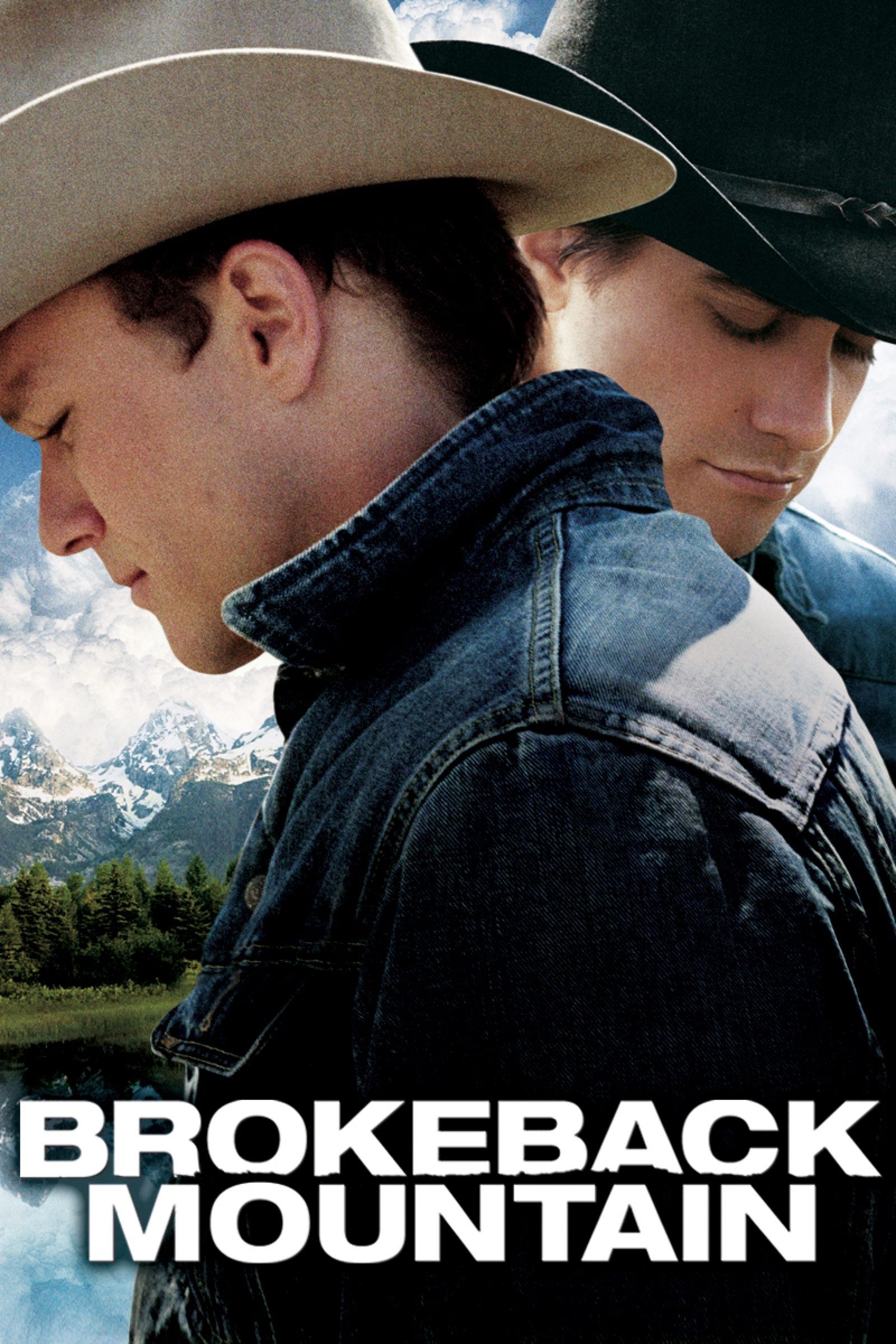
Why This Film Is Beginner-Friendly
I remember sitting down to watch this film for the first time with a fair bit of uncertainty, wondering if I was ready to appreciate what many people already considered a modern classic. Yet as I settled in, I realized how beautifully approachable this movie is, even for someone just beginning to explore the world of celebrated cinema. What made me feel at ease was how the story unfolds in a straightforward, easy-to-follow way — there isn’t anything complicated or intimidating about the structure. I got swept up quickly by the breathtaking visuals and the simple but deeply personal story of two people navigating desires and expectations. The characters don’t speak in poetic monologues or get lost in confusing symbolism, so even when I was new to classic films, I could connect with their struggles and emotions right away.
One thing that helped me a lot as a beginner was how genuine everything feels in this film. I never felt like I was supposed to “get” some hidden meaning to enjoy it. The visuals are gorgeous but not overwhelming, the landscapes open up the world in a way that feels welcoming rather than distant. Even though it’s set decades ago, the issues and emotions resonate just as deeply now. I appreciated that I didn’t need a background in film history or technique to be moved by the conflicts and longing at the core of the story. I think the film has such an open, human heart that it’s easy to relax and let the story wash over you — exactly what I needed when I was just starting to appreciate more renowned movies.
This film also helped me understand that “classic” doesn’t mean “out of touch” or “old-fashioned.” I found actors I already recognized, and their performances felt absolutely authentic and relatable. I never once felt lectured or left out. Instead, I was invited into a world I’d never known, and it didn’t matter how new I was to classic cinema; the movie’s honesty and emotion did the heavy lifting. That’s why, when friends ask me what’s a friendly entry point to timeless films, this is often one of the first I think of.
What to Know Before Watching
- The film takes place in the American West, mostly in the 1960s and 1970s. If, like me, you aren’t familiar with this time or setting, some customs and attitudes may seem old-fashioned — especially how people struggle with their identities and the expectations society places on them.
- The pacing is much more gentle and patient than a lot of newer films. When I first watched, I noticed long stretches with very little dialogue. The story gives the characters time and space, so it may initially feel slow, but I quickly found that this pace lets the emotions breathe.
- Certain moments felt intensely quiet or subdued, especially compared to more dramatic or action-driven films. At first, I was surprised by how quietly powerful some scenes are, relying on a single look or a pause in conversation. I found it rewarding to let myself grow comfortable with these silences instead of waiting for something big or flashy to happen.
- It explores a love story between two men at a time when such relationships were heavily stigmatized. As someone newer to classic films, I wasn’t used to seeing LGBTQ+ themes depicted with such honesty, especially in a movie so widely respected. I found that refreshing but important to be aware of going in.
- There are stunning, sweeping shots of nature and rural life. If you’re used to quick cuts and lots of action, the focus on landscape may feel new. For me, these images set the emotional mood and gave the story weight, but I had to remind myself to slow down and take in the scenery, not just the plot.
- A few of the accents and ways people speak are quite specific to the region and era. At first, it took me a little time to adjust to the way characters talked, but I found myself slipping into their rhythms before long.
- For anyone sensitive to heavier emotional content, I think it’s useful to know the film can be somber and will likely stick with you after the credits roll. For me, though, the powerful feelings it stirred up made it even more memorable and worthwhile as my introduction to classic dramas.
Key Things to Pay Attention To
What pulled me into the heart of this film was the subtle way it invites you to notice small details rather than spelling everything out. Almost right away, I found that watching the characters’ faces — especially in quiet moments — told me more than any long conversation could. I learned to let my eyes linger on the way the main characters glance at each other, or the way they hold back words. Their silences reveal as much as their confessions; I found it fascinating that what’s not said is just as powerful as what’s spoken aloud.
I also really enjoyed paying attention to how the mood of the landscape matches the emotional atmosphere. Those vast, open spaces felt both freeing and isolating. The mountains and sweeping fields started to communicate feelings to me — whether it was hope, longing, or a sense of being trapped — and I realized early on that the setting was almost another character in the film. I would suggest, especially for first-timers, letting yourself look away from the actors every so often and just soak in the visuals; it made the experience so much more deep and immersive for me.
Another thing that stood out was watching how time passes for the characters. Since the story covers many years, I found it helpful to look for small changes over time: in the way the characters age, the clothes they wear, the places they live. It’s not flashy, but every shift in their appearance or in the scenery told me something about how their lives and relationships evolve. Instead of relying on exposition, the film trusted me to pick up on these clues. Even as a beginner, I didn’t need an expert’s eye — just being open and observant was enough.
Finally, I would recommend tuning in to the soundtrack and use of sound. Music and silence both play big roles; certain songs or the quiet between conversations made me feel the weight of different moments. When I paid attention to how the film used music, it heightened my emotional connection and helped me sense sadness or hope even before it was spoken aloud.
Common Misunderstandings for First-Time Viewers
- Some people might think the film is mainly about a statement on sexuality or politics, but I found it to be first and foremost a story about love, longing, and missed chances. While the context is important, I’d encourage first-timers to watch for the universal themes instead of expecting a lecture or manifesto.
- It’s easy to mistake the film’s slow, quiet style for a lack of story or action. If you’re used to rapid-fire storytelling, you might wonder if anything is “happening,” but I discovered that the heart of the movie is in those quiet, intimate moments — the longing glances, the things left unsaid — rather than big, obvious plot twists.
- I’ve met viewers who assume classic films only feature grand speeches and dramatic gestures. Here, the emotion is often understated. There’s a subtlety to how characters express themselves, more through gestures and small changes in behavior than words. I had to lean in and pay close attention, but when I did, the emotional impact was far greater than I expected.
Is This a Good Starting Point for Classic Cinema?
When I look back at my first journey into the world of acclaimed films, this movie stands out as a very welcoming introduction — so I’d recommend it wholeheartedly if you’re new to classic cinema. The story resonates across generations; even though it’s set in a specific time and place, I found the emotional struggles completely relatable. I never felt left behind or overwhelmed by outdated references or technical jargon. Instead, I was given the gift of a simple, powerful narrative brought to life with honesty and compassion.
If you’re hesitant to try films considered “classics” because you think they’ll be too complex or distant, this one changed that feeling for me. The acting is heartfelt and real, the visuals are stunning, and the story unfolds in a way that feels both grand and intimate. It taught me that classic cinema isn’t about cold credentials or history lessons, but about stories that stay with you. Watching this film, I felt completely at home as a newcomer. I think it’s an excellent doorway into movies that matter, and it left me excited, not hesitant, to explore more.
If you’re wondering how this film compares to others that have stood the test of time, these may help.
🎬 Check out today's best-selling movies on Amazon!
View Deals on Amazon