Why This Film Is Beginner-Friendly
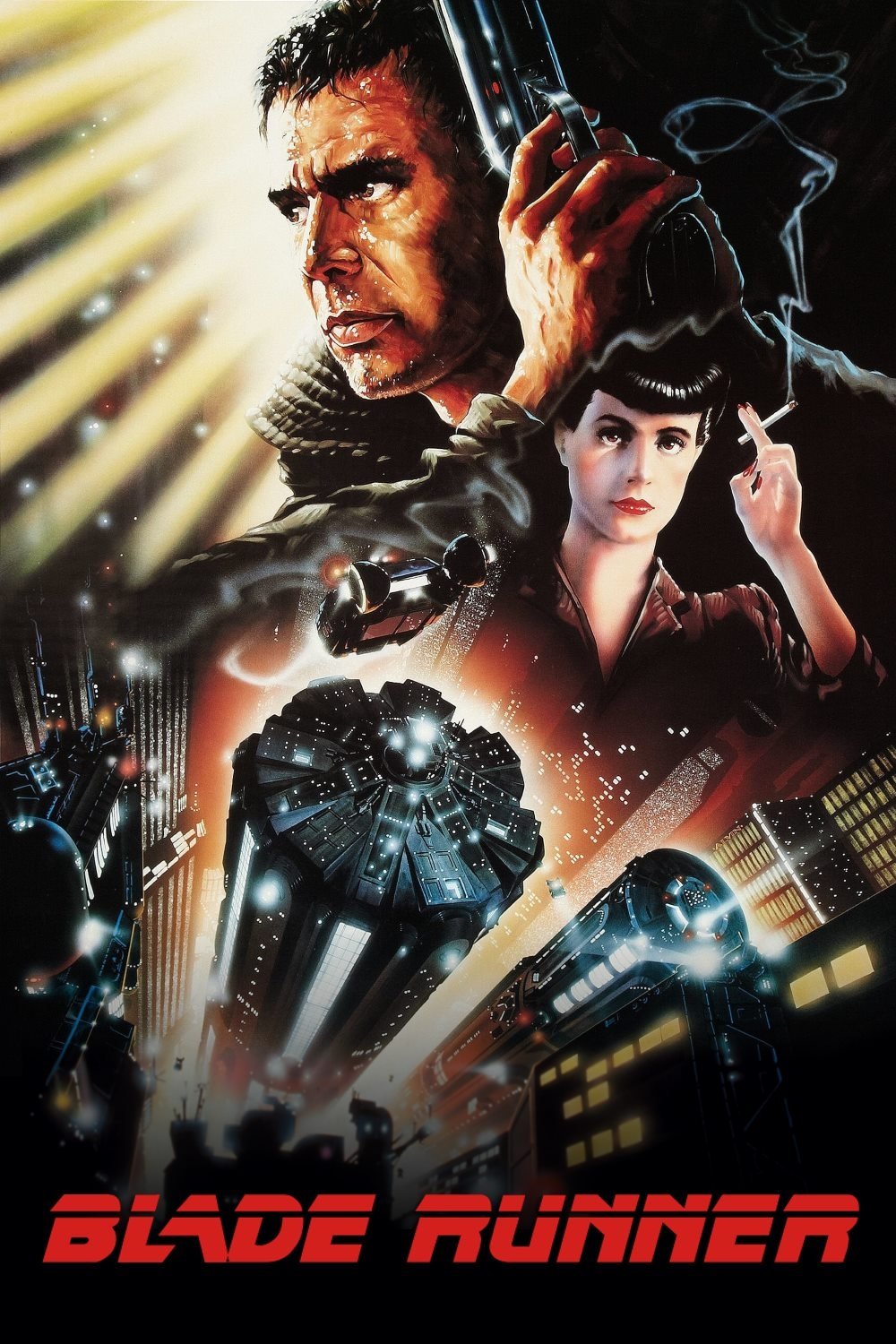
When I first dove into classic films, I remember wanting something that didn’t feel too distant or out of reach. “Blade Runner” immediately struck me as an inviting gateway. The film blends a futuristic setting with relatable questions about what it means to be human, and I never felt lost or left out as I sometimes do with older black-and-white classics. The visuals still look breathtaking by today’s standards, which eases any worries about dated effects or cheesy sets—I found myself drawn in rather than distracted. At its heart, the story is simple enough to follow, but rich enough to provoke thought at your own pace. So much of the movie is about feeling—atmosphere, loneliness, the search for meaning—which meant I never needed a film studies degree to appreciate what I was seeing. I could sit back, follow the characters, and just let the world wash over me.
What to Know Before Watching
- When I first watched, I was surprised by the way “Blade Runner” feels both retro and futuristic. Its vision of the future is rooted in the early ‘80s, giving it an atmosphere that might seem strange if you’re used to shiny, digital sci-fi worlds.
- The pacing felt much slower than modern blockbusters. I found moments that lingered on images and mood, rather than moving quickly from action to action. It took me time to adjust and realize this was about creating a mood, not racing to the next big sequence.
- I didn’t expect how quiet and reflective the movie could be—there’s music and action, but also long, almost meditative silences. That contemplative energy might catch you off guard if you mostly watch fast-cutting contemporary films.
- The special effects are practical, not computer-generated, which brought a texture and physicality I was fascinated by. It left the film feeling more lived-in, but some design choices might feel “old school” in an oddly charming way.
- The story reveals itself in gentle layers rather than spelling everything out. The ending, especially, won’t tie things up with a neat answer. I learned to expect ambiguity, which ultimately drew me deeper in, even if I was a bit puzzled at first.
Key Things to Pay Attention To
For me, the magic of this movie wasn’t in trying to solve its mysteries or catch every plot twist on the first pass. Instead, I focused on the emotion in the faces—especially those moments of searching, longing, or confusion. Harrison Ford’s character, Deckard, is someone I watched for subtle changes rather than grand declarations. I also found it rewarding to notice the set design and the constant rainfall, which created this sense of isolation and beauty that stuck with me long after the credits rolled. The lighting—neon, shadow, and reflection—seem like more than just backdrop; they tell their own story about the characters’ inner worlds. There’s also a deep humanity in the way the so-called artificial beings—replicants—react to fear, awe, and desire, which I wasn’t expecting from a film about androids. I paid close attention to their eyes, their voices trembling, the things left unsaid. Paying attention to the relationships and the way characters hold themselves made me care much more than the detective story alone might on paper. The soundtrack, too, is worth listening for: Vangelis’s score guides your emotions in ways I couldn’t always explain but definitely felt.
Common Misunderstandings for First-Time Viewers
- Thinking the story is all about action – I realized quickly that, while there are thrilling moments, the film isn’t really about high-speed chases or explosions, but about mood, questions, and people facing themselves.
- Believing everything will be answered clearly – I hoped for concrete answers and found instead that the film is comfortable embracing mystery. Not everything is spelled out, and I’ve come to enjoy returning to it, picking up on details I missed before.
- Mistaking the quiet moments for emptiness – Early on, I wondered if the slow pace meant nothing was happening, but as I adjusted, it dawned on me that these pauses let the feelings and worlds breathe. Important things happen in these silences.
Is This a Good Starting Point for Classic Cinema?
If I were introducing someone—or myself as a beginner—to classic films, I can honestly say this would be at the top of my list. The story’s core questions about what it means to be alive, to love, to remember, are as fresh today as they were in the early ‘80s. I never felt pushed away by old-fashioned dialogue or a style I couldn’t grasp. Instead, I felt invited to wonder and reflect, knowing I didn’t have to “get” everything right away. The familiar-yet-unknown world was enough to capture my imagination, and its emotional core kept me engaged, even when I was adjusting to its slower tempo. “Blade Runner” made classic cinema feel approachable and exciting, not like homework or a history lesson. I think it’s an ideal first step: visually compelling, emotionally rich, and unforgettable. If you’re curious but nervous about dipping your toes into older films, I truly believe this is a place where you’ll feel at home, and maybe even inspired to keep exploring what classic cinema has to offer.
If you’re wondering how this film compares to others that have stood the test of time, these may help.
🎬 Check out today's best-selling movies on Amazon!
View Deals on Amazon