
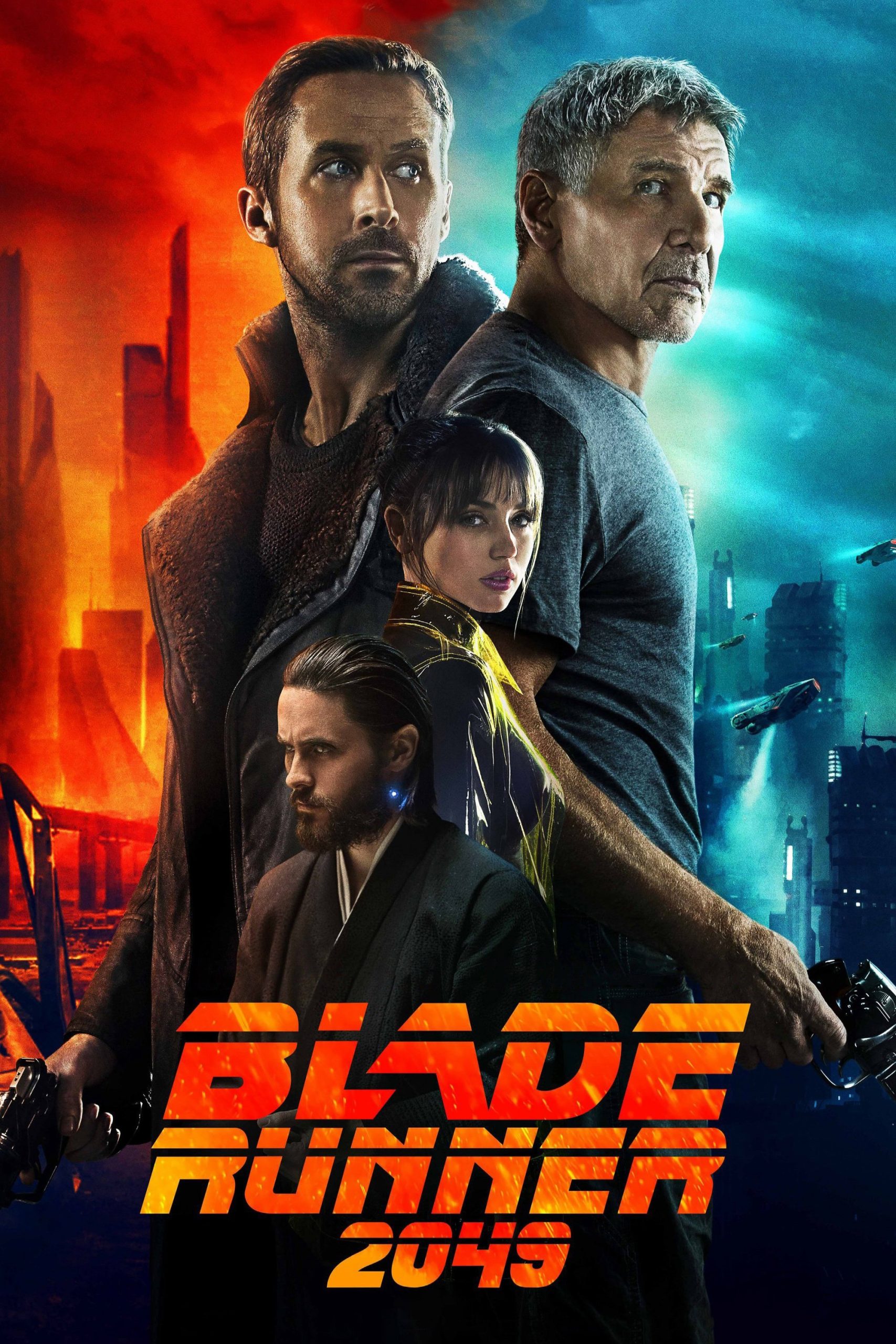
The First-Time Viewing Experience
When I first settled in for Blade Runner 2049, what struck me was not just the grand scale of its visuals, but the peculiar intimacy of its world. I remember bracing myself for a barrage of science fiction tropes and instead finding myself quietly disarmed. Nothing felt rushed. The film seemed to whisper rather than shout, inviting me to lose myself in its slow-moving mist. I felt as if I had been handed an ornate puzzle box with no instructions—fascinated, a little intimidated, yet curiously grateful for the space to examine every piece at my own pace.
My nerves tingled with anticipation as each new environment blossomed on screen. The whole cityscape was drenched in color and shadow, both inviting and unyielding, yet never overwhelming. I realized early on that the film was going to withhold easy answers. It asked me to wait, to watch, to simply be present. The pace surprised me the most: for every moment of tension or revelation, there was a stillness, a suggestion to look and listen beyond the obvious. I found each frame heavy with meaning and loneliness, as though the world itself mourned for something lost. Every character encounter felt loaded with unspoken tension, and sometimes tenderness snuck through in ways that caught me off guard.
As a first-time viewer, I felt a mix of awe and confusion, a little disconnected from the plot at first, then increasingly compelled to notice smaller details—a lingering gaze, a background billboard, the repetition of certain words. I noticed how the film encouraged my mind to wander just enough to make discoveries on my own. Instead of feeding me exposition, the world-building happened almost peripherally. By the time the narrative stakes became clear, I was thoroughly sunk into the atmosphere and mood, carried along by a hypnotic sense of uncertainty. It surprised me that ambiguity could feel not frustrating but deeply intriguing; I left the film not with every answer, but with a head filled with questions I genuinely wanted to pursue.
Emotional Moments That Resonate
If there’s one thing that stays with me most from Blade Runner 2049, it’s the fragile ache that seems to pulse beneath its surfaces. The film is meticulous and even chilly at times, but moments of raw feeling break through that veneer. For me, one of the most moving sequences occurs between K (Ryan Gosling) and Joi—the digital companion who yearns for her own kind of existence. There’s something heartbreakingly sincere in the way K tries to give Joi a physical presence using another body. When I first experienced this scene, I found it heartbreakingly tender: an artificial being striving for an authentic connection with another, both of them grasping for meaning and touch beyond their programming.
I also remember the sharp, unexpected weight behind K’s gradual confrontation of his own identity. As he pieces together clues about his past and his purpose, I felt a deep empathy for his loneliness and confusion. His search for significance, for something real in a world where reality is endlessly manufactured, mirrored my own restlessness as a viewer. When he visits the orphanage and sifts through memory, I felt waves of recognition: the longing to be special, the grief of realizing you might not be. The visuals—spread out barren and gray—seemed to echo these emotions perfectly, making every quiet realization feel thunderous.
Of all the scenes, K’s final act of kindness resonated most viscerally. The humility with which he helps Deckard (Harrison Ford) reach his daughter—despite having lost so much himself—spoke to me about sacrifice and gentleness. Rarely in recent films have I witnessed such a bittersweet liberation. I felt both uplifted and melancholy, caught off guard by the honesty with which the story handled heartbreak, memory, and hope. In short, the emotions sneaked up on me; when they hit, they were as luminous as any neon-soaked skyline.
How to Appreciate This Film Without Prior Knowledge
Before watching Blade Runner 2049, I worried a little that not remembering every detail of Ridley Scott’s original would leave me floundering. I want to reassure anyone who shares my concern: Blade Runner 2049 is not a test. I approached it as someone who only half-recalled the earlier film’s characters and twists. What struck me was how gently this sequel extends an open hand. It’s clear that director Denis Villeneuve wants newcomers to find their own path without burden or baggage. I found that prior knowledge certainly added some texture, but it was never required for emotional engagement.
Rather than relying on nostalgia or requiring encyclopedic knowledge of the universe, the film operates independently as an exploration of memory and identity. When I didn’t understand a reference, the film’s strong emotional core kept me invested. Visual motifs and recurring symbols—eyes, rain, the repetition of names—are all possible to appreciate with fresh eyes. Even without recognizing every callback, the resonant questions are easy to grasp: What does it mean to be real? What is the cost of connection? These aren’t philosophical riddles reserved for science fiction fans—they’re questions that echo universally, and I found myself reflecting on them long after the credits rolled.
I discovered that the less I worried about what I “should” know, the more present I was with the images, sounds, and silences. Much of what makes Blade Runner 2049 powerful is not what happens, but how it feels to witness longing, isolation, and resilience rendered so beautifully. I learned to trust my curiosity as I watched. For anyone nervous about jumping into such a lauded classic without homework, I can promise that its rewards are immediate. Experiencing this film for the first time is not an exercise in fandom gatekeeping, but an invitation to let awe and wonder lead the way.
Who This Film Is Best Suited For
- Lovers of visual storytelling who find themselves hypnotized by powerful images, color, and cinematic composition
- Thoughtful viewers craving narratives that hinge on emotion, existential questions, and the search for meaning
- Those patient with slow burns and comfortable letting a story unfold at its own deliberate rhythm rather than seeking nonstop thrills
A Beginner’s Final Recommendation
After my first encounter with Blade Runner 2049, I understood firsthand why its reputation continues to grow. My initial fascination bloomed into something deeper—a genuine admiration for the film’s fearlessness in trusting its audience. I often think about the quiet confidence Villeneuve and his collaborators display, guiding us through a foggy future without pretense or hand-holding. For anyone who worries about “getting” a classic or being left behind by ambiguity, my advice is simple: let yourself drift. There is profound value in granting a work of art the time it needs to reveal itself, and I can’t think of a better example than this.
For newcomers, the experience is genuinely unique—a slow, patient unraveling that rewards open-mindedness and emotional attunement. I found myself changed by the film’s poetic sorrow and resilience, recognizing glimmers of myself in the struggles of characters both human and artificial. Blade Runner 2049 asks us to listen, to look closely, and to feel, even when the answers are uncertain or uncomfortable. It never insists on a uniform response, and I loved that. Instead, it seems almost grateful for the variety of reactions it can elicit, from awe to frustration to wonderment.
If you’re ready to step into a space where patience is honored and questions are as important as answers, I couldn’t recommend Blade Runner 2049 more warmly. The film taught me that timelessness doesn’t come from familiarity or ease—it comes from the willingness to touch raw nerves and leave them shimmering in the dark. Whether you come away contemplative, sorrowful, or energized by its artistry, I believe the encounter will linger with you. Sometimes the most memorable discoveries come when we allow ourselves to be lost, and I’m so glad I trusted myself to experience this modern classic with open eyes and a receptive heart.
To understand whether timeless appeal still resonates today, modern reassessments are worth exploring.
🎬 Check out today's best-selling movies on Amazon!
View Deals on Amazon