
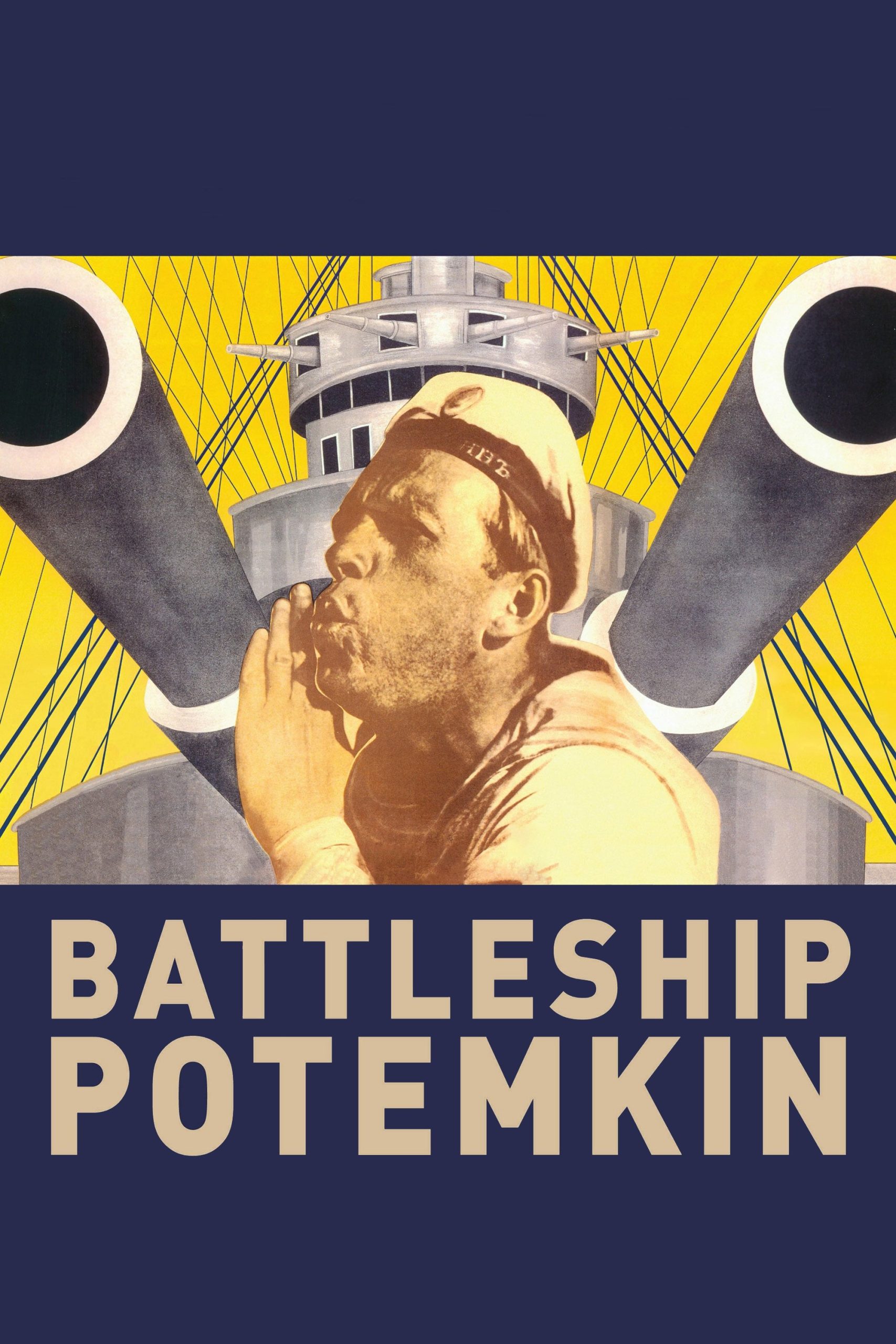
Why This Film Is Beginner-Friendly
If someone had told me years ago that I would be mesmerized by a nearly century-old silent film from Russia, I probably would have raised an eyebrow and laughed it off. And yet, sitting down to watch Battleship Potemkin for the first time, I was surprised by how quickly it drew me in. This might sound unexpected, but I honestly think it’s a fantastic introduction for anyone dipping their toes into classic cinema. One thing that helped me relax as a newcomer was realizing how visually expressive the movie is; I didn’t feel lost even when there was no spoken dialogue. I found the energy of the film contagious—there’s something truly universal about watching a crowd rise up for what they believe is right, and I could sense those emotions, even though the film is from a very different time and place.
What also made Battleship Potemkin approachable for me was its short runtime and clear story. I appreciated that it stayed focused, with a sharp punchiness I hadn’t expected from an “old movie.” Instead of getting bogged down in details, the film hones in on the bigger moments—emotions and actions that are immediately understandable. You don’t need a background in Russian history or film theory to feel the urgency or sense when something big is happening. For me, the film’s style was more about feeling the pulse of rebellion and solidarity, and less about memorizing who’s who or keeping track of complicated subplots. It’s visually driven, emotional, and direct—qualities that, in my experience, make it remarkably inviting for classic film beginners.
What to Know Before Watching
- When I first sat down to watch, I wasn’t expecting the film to be almost entirely silent. The title cards come up now and then with dialogue or explanation, but the real storytelling is done through faces, gestures, and action. For anyone new to silent cinema, this style might feel a little jarring at first—but I quickly realized it made me pay closer attention to everything happening on screen.
- Something else that stood out to me was the pacing. Battleship Potemkin doesn’t move at the breakneck speed of a modern blockbuster. There are moments where the camera lingers—sometimes on someone’s expression, sometimes on a group of people gathering. While I initially thought it was slow, I began to find it refreshing; it allows me to really take in what’s happening and notice details I’d usually miss.
- One thing that genuinely surprised me was how graphic and emotional some scenes are, especially considering how old the film is. I always thought of old black-and-white films as distant and tame, but some parts (like the famous Odessa Steps sequence) made me gasp. The raw emotional force of crowds in motion, the looming threat of authority, and visuals of ordinary people in crisis made the story feel immediate and personal.
- Finally, if you aren’t familiar with Soviet history or the context of early 20th-century Russia, the political backdrop might seem unfamiliar. I fretted a bit that I would miss the point, but I found that the basic ideas—standing up against injustice, struggling for dignity—were clear no matter what. I didn’t need to be a historian to connect with the movie’s spirit.
Key Things to Pay Attention To
What caught my attention right from the start was how much I could get out of simply observing faces and body language. Since the film doesn’t rely on spoken words, I made it a little game to focus on what the characters were feeling—fear, hope, sorrow, or courage—just through their eyes and movements. It’s rare, even in today’s movies, to see emotions painted this vividly across a crowd or captured in such vivid close-ups. Paying attention to these expressions pulled me deeper into the experience and made me feel truly connected to the people on screen.
Another thing I looked out for was the way the camera moves and how scenes are edited together. Even as someone who isn’t a film student, I noticed the rapid cuts and the way shots build up suspense, especially during big, dramatic moments. When a scene picks up speed or tension, the quick editing makes everything feel more intense—even if the action itself isn’t as flashy as a modern chase scene. Whenever things started to happen faster, I leaned in closer, letting the visuals do the talking.
The last thing I tried to keep in mind was the overall atmosphere. Battleship Potemkin isn’t just about individuals; it’s about the power of a unified group and the emotion of shared struggle. I found it moving to see how ordinary sailors, workers, and townspeople come together. Scenes of collective action—everyone marching, protesting, or mourning—are visually rich and full of meaning. Watching as a crowd’s energy shifts from fear to anger or hope gave me goosebumps. I started paying more attention to where and how large groups were framed, realizing the film was telling me something about community and resistance just by how people gathered and moved together.
Once I tuned into these elements—emotions on faces, the rhythm of editing, and the feeling of crowds—I felt like I unlocked a new way of enjoying movies, especially older ones. It didn’t matter that the dialogue wasn’t spoken out loud; the visuals told me everything I needed to know. I’d recommend that any beginner try this kind of close observation, because it turns the whole viewing experience into something interactive and, honestly, thrilling.
Common Misunderstandings for First-Time Viewers
- Thinking you need to know Soviet history in detail – I initially worried I’d get lost if I didn’t memorize events from Russian history class. What I realized is that the film can still move and inspire you even if you come in clueless about the specifics. You can follow what’s happening emotionally and visually—oppression, defiance, hope—without brushing up on historical timelines.
- Assuming old silent films are always slow or boring – Before I watched, I had the bias that anything from the 1920s would probably drag, especially with no dialogue. That preconception melted away within minutes, especially during the movie’s most intense moments. The editing is unexpectedly sharp, and I found myself at the edge of my seat much more than I’d expected.
- Believing the film will feel too “foreign” or distant – At first, I thought I wouldn’t connect with people from a far-off era, speaking (in text) another language, caught up in events so different from my own life. The surprising thing is how relatable their struggles feel. The emotions are powerful, even universal—fear, injustice, hope, and collective courage translate across generations and cultures. I discovered you can get swept up in the drama even if you don’t relate to everything on paper.
Is This a Good Starting Point for Classic Cinema?
Stepping back and thinking about my experience, I truly believe Battleship Potemkin is an amazing doorway into the world of classic films. It shattered my stereotypes about old movies—the idea that they’re stuffy, slow, or only interesting to film scholars. On the contrary, I found it alive, dynamic, and deeply moving. The movie didn’t require me to know anything special; it spoke to me through its images and emotions, in a way that any viewer can access.
For a first-timer, the film checks a lot of boxes: it’s relatively short, packed with energy, and never leaves you stranded with complicated backstories. The absence of spoken dialogue doesn’t make it distant; instead, it invites you to look harder, notice more, and engage your own imagination. The biggest surprise for me was just how modern some of its techniques feel—I felt the excitement, urgency, and even suspense, just like with many movies made today. I liked that the film doesn’t shy away from tough material, yet never feels hopeless or heavy-handed. It stirred something in me, and I finished the movie feeling both shaken and satisfied, and wanting to talk about what I had seen.
So if you’re considering where to start your classic film journey—and you’re open to a brisk, visual, seamlessly told story—I’d gladly recommend this as your introduction. It taught me that cinema, even at its most historic, can still reach across time and grab you by the heart. My advice: give Battleship Potemkin a try, and let yourself be surprised by what you discover.
If you’re wondering how this film compares to others that have stood the test of time, these may help.
🎬 Check out today's best-selling movies on Amazon!
View Deals on Amazon