Why This Film Is Beginner-Friendly
I’ll never forget the first time I pressed play on this quietly mesmerizing film. Something about the way it welcomed me in—without overwhelming me or assuming I already knew a thousand things about older movies—stuck with me. For anyone testing the waters of classic cinema, I think this movie makes for a surprisingly gentle introduction. Personally, I tend to worry that “classic” automatically means dense, slow, or even intimidating, but with this film, I was quickly reassured. The storytelling felt inviting, grounded, and resonant, more so than I’d expected from something considered a modern classic. The dialogue leans plainspoken rather than ornate, the plot unfolds with natural clarity, and the emotional undercurrents surfaced in ways that were immediately understandable, even for someone who hasn’t waded into the world of older or international cinema before.
What really endeared me was the sense that I didn’t need to bring any background knowledge or a list of awards in my head—I could just show up as myself and experience a human story. Many classic films throw out references or lean on period details that can feel alienating, but this film felt universal in its aches and anxieties. The protagonist’s journey, the moral quandaries, and the quietly dramatic turns made sense to me without a lot of effort. Even when elements rooted in culture or time surfaced, I never felt lost or patronized. If, like me, you approach classic films with a mix of curiosity and hesitation, you’ll likely find this one refreshingly approachable.
What to Know Before Watching
- Historical or stylistic elements that may feel unfamiliar
- Pacing or storytelling differences from modern films
- Anything that might surprise new viewers
Before sitting down, I always find it calming to remind myself that films from different countries and eras often play by their own set of rules. This particular film hails from Bulgaria and unfolds in a cultural context that felt distinct from the usual Hollywood formula I grew up with. There’s a certain quietness and restraint in the scene transitions—conversations may linger, silences are filled with just as much meaning as spoken words, and the everyday particulars of the characters’ lives are treated with genuine interest. It can be a little unsettling at first if you’re used to fast cuts or loud, obvious cues about how you’re supposed to feel. My advice: let yourself settle into the slower pacing. The tension and emotion simmer just under the surface, and that patience pays off.
I noticed that local customs, bureaucracy, and unspoken social rules color nearly every interaction. Sometimes I found myself pausing, not to reread subtitles, but to sit with the feeling that I might not “get” everything right away. When people behave oddly or abruptly, it usually signals something deeper happening beneath the surface—sometimes frustration, sometimes resignation. This attention to daily frustrations feels slightly unfamiliar when compared to the dramatic heroics or neat resolutions in many popular films.
Don’t be surprised, either, at the film’s emotional subtlety. Rather than big emotional explosions or triumphant endings, much is suggested through glances, gestures, and quiet acts of resistance or hope. The moral ambiguity throughout left me thinking long after the credits rolled instead of giving me simple answers. The soundtrack is also sparing; when music appears, it’s imbued with meaning rather than being there to “amplify” everything. Altogether, these elements can challenge assumptions of what makes a film exciting or “classic,” but they’ll ultimately open the door to a different—yet equally rewarding—way of experiencing cinema.
Key Things to Pay Attention To
Whenever I revisit this film or recommend it to a friend, I always suggest focusing on the micro-moments rather than waiting for grand gestures. The magic here lies in small, carefully observed details. Watch how facial expressions shift in intense close-ups, especially during uncomfortable silences. One of the most moving aspects for me was reading between the lines—deciphering what characters choose not to say aloud and what those gaps reveal about their circumstances. This movie rewards a patient, attentive viewer willing to pick up on body language, the tension in a cramped office, or the slight sigh of someone carrying invisible burdens.
For newcomers, I think it’s also meaningful to keep an eye on the way personal dignity, pride, and desperation interact in the protagonist’s actions. Decisions that may seem puzzling or small at first gain weight as you piece together the societal pressures and underlying values at stake. In one memorable scene, a simple act—returning lost money instead of keeping it—sparks a spiraling chain of tragicomic events. I found myself reflecting on what honesty looks like in an imperfect world, and whether doing the “right” thing guarantees any reward at all.
The setting, too, quietly tells half the story. Everyday objects—a train car, a toolbox, a government office—carry symbolic weight. I find it rewarding to pay attention to how these spaces either trap or liberate the characters. It’s almost like the geography of the film maps onto the characters’ inner struggles. For anyone new to slower, character-driven cinema, let yourself lean into these lived-in details. They are the heartbeat of the story and, for me, what made the film so memorably real and moving, without needing spectacle or obvious drama.
Common Misunderstandings for First-Time Viewers
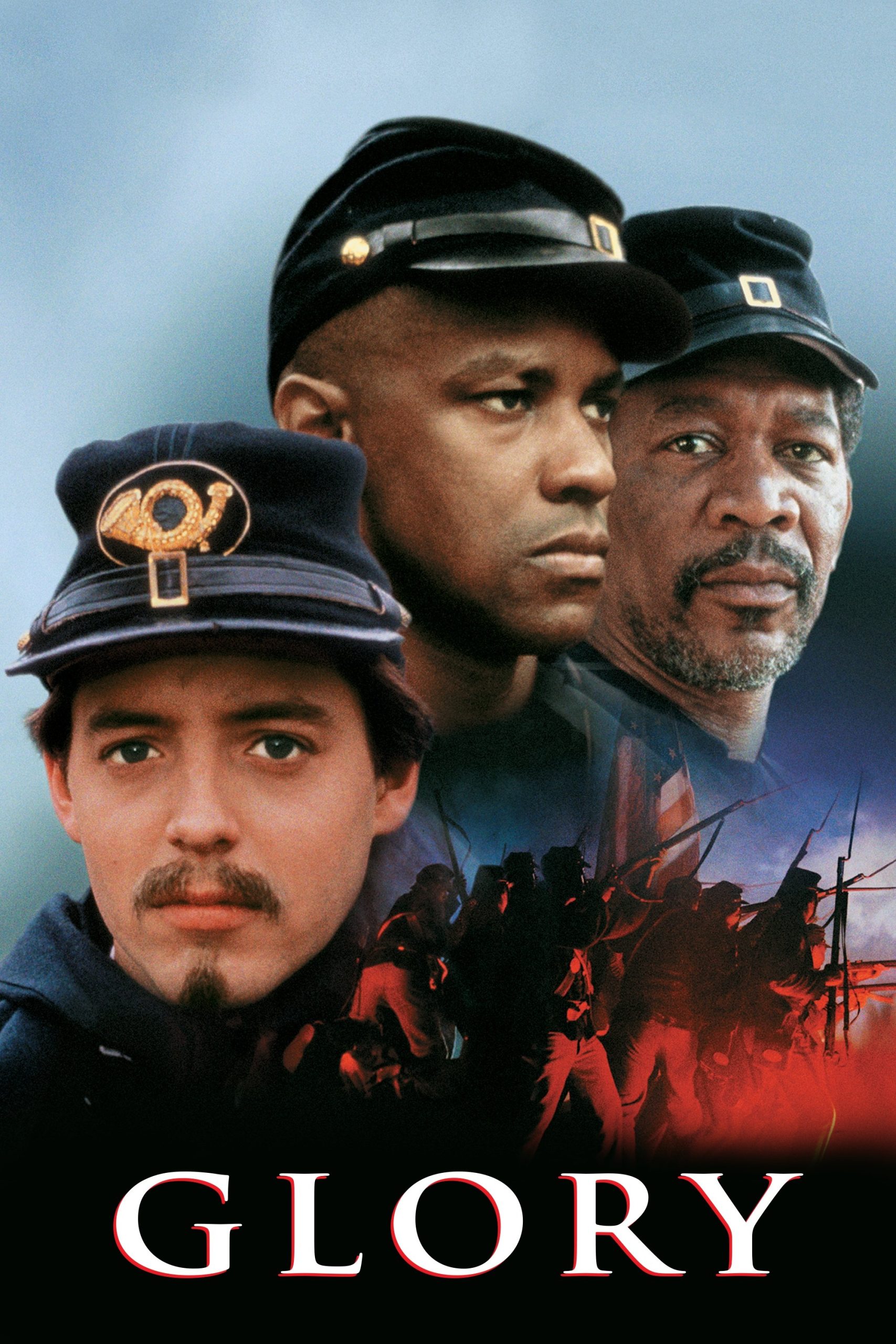
- Expecting an epic war film or action drama – While the title “Glory” and some marketing images may suggest grand battles or historical heroics, I was caught off guard to find a much more intimate, almost everyday story. It’s not about soldiers or traditional wartime glory at all, but rather the quiet dignity—or lack thereof—in dealing with everyday struggles.
- Assuming the plot will clearly resolve – My first viewing left me momentarily unsatisfied, expecting some sort of neat wrap-up or redemption arc like in mainstream films. Instead, the film ends with ambiguity and unresolved emotions, reflecting the messiness of real life. Now, I appreciate the open-ended nature—it invites reflection and interpretation rather than simple answers.
- Missing the humor woven through the tragedy – I initially thought the film was relentlessly somber, but on a second watch, I found sly moments of dark humor and absurdity in the bureaucracy and frustrating situations. These touches might not register immediately if you’re new to the understated tone, but they punctuate the story with a bittersweet realism that I’ve come to love.
Is This a Good Starting Point for Classic Cinema?
For me, this film is a wonderful first step into classic and international cinema, precisely because it fuses the relatable aches of everyday life with a style that’s thoughtful but never alienating. I often recommend it to friends who tell me they “don’t get old movies” or feel too intimidated to start with black-and-white or silent films. The modern yet timeless mood of the film makes it especially approachable—it looks contemporary but carries the layered, reflective qualities that define many classics.
If you’re worried about feeling lost or bored, I can reassure you: the film’s emotional honesty and grounded storytelling reach across language and cultural barriers. You’ll likely find yourself wrapped up in the protagonist’s struggle, searching for dignity in a world that sometimes forgets the value of honest, ordinary people. Watching it sparked my curiosity about more films told outside the typical Hollywood mold, showing me that classic status doesn’t have to mean distant, difficult, or dry. Instead, it can be powerful in its subtlety, inviting you to see your own world a little differently.
So if you’re curious about stepping into the broader world of classic cinema—and maybe seeing life reflected back from another angle—I’d say this film is a gentle, thoughtful, and engaging place for anyone to begin.
If you’re wondering how this film compares to others that have stood the test of time, these may help.
🎬 Check out today's best-selling movies on Amazon!
View Deals on Amazon