
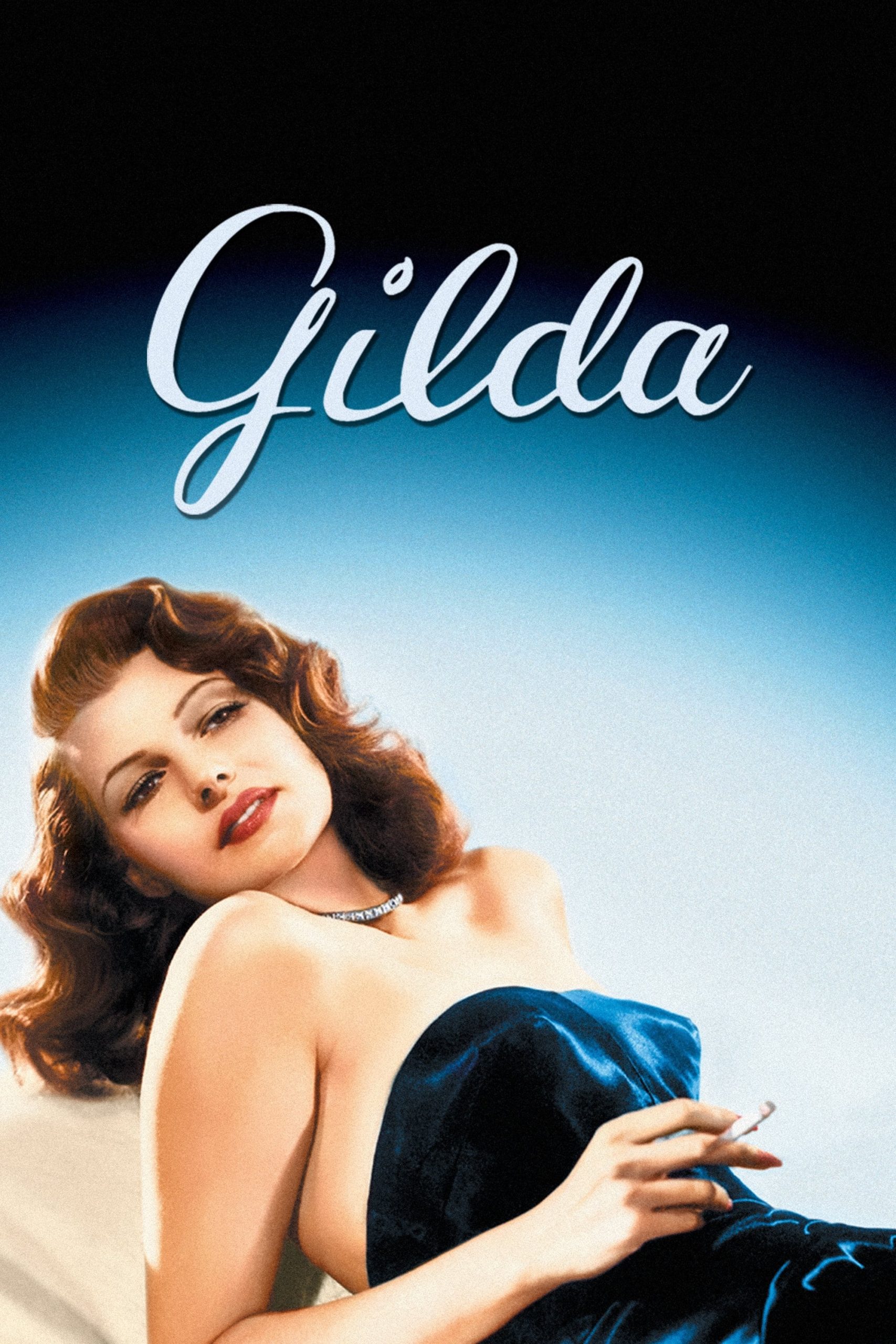
Why This Film Is Beginner-Friendly
Whenever someone asks me for a classic film suggestion, I always think back to the first time I sat riveted by Gilda. Even before understanding all that went into its creation, I felt immediately drawn in—not just by the iconic black-and-white visuals, but by the simplicity and directness of its mood. I remember worrying a classic film might require viewing ‘experience,’ but this one made me forget I was even watching something from 1946. Gilda rarely feels like a homework assignment or a dusty relic. Instead, it’s a pulse-quickening, glamorous world that invited me in instantly. The snappy dialogue, sharp emotion, and larger-than-life charisma of the leads, especially Rita Hayworth, provided energy I never expected from an older movie. For newcomers, that matters: this isn’t a film bogged down by era-specific references or overly subtle performances. The feelings, twists, and style are right there on the screen, waiting to be enjoyed at face value.
I found Gilda refreshingly approachable because it moves with a sense of mischief, balancing suspense with a dash of humor. Whether I was drawn in by the romantic intrigue or puzzled over the choices the characters made, I never felt lost watching it for the first time. The plot works as a sort of rollercoaster—you can sit back and let its glamorous drama sweep you along, even if you don’t pick up on every small detail. Compared to many films from this period, there’s real electricity in every scene, helped by sparkling back-and-forths and some risk-taking choices from the director and cast. The movie’s reputation as a starting point is well earned, in my opinion, because unlike some classics, you don’t have to “train your palate” for it. Even the most casual viewer will likely be pulled in by its bold personalities and an atmosphere thick with tension, attraction, and suspense.
What to Know Before Watching
- I quickly noticed that Gilda, like most films from its era, uses a stylized way of speaking and acting that modern films mostly leave behind. The dialogue is crisp and pointed, with the sort of clever retorts and loaded glances that sometimes took me a moment to fully catch. It’s all part of the fun, but at first, I found myself pausing to appreciate the theatrical delivery and stunning costumes.
- The pacing, though smoother than I expected, does slow down in places compared to the rapid editing and constant movement of today’s blockbusters. There are longer stretches focusing on conversation, mood, and sinister undercurrents. I found this an opportunity rather than a hindrance—it let me breathe with the characters and notice subtle details—but new viewers should know the film takes its time to build suspense.
- I was surprised by the intensity of sexual tension and psychological maneuvering present in the story. For a movie made under 1940s censorship rules, the film’s innuendo and power struggles are bold and, honestly, a little startling at moments. Some choices and motivations might seem extreme, but they’re portrayed with such conviction that I found myself swept up rather than confused.
Key Things to Pay Attention To
When I first watched Gilda, I realized it’s less about its mystery plot and more about the human storms brewing between its three main characters. What fascinated me most was the crackling chemistry—sometimes affectionate, sometimes vengeful—especially between Gilda and her former lover Johnny. Their glances, posture, and even the way they stand near or far from each other speak volumes about what’s unsaid. Instead of focusing only on what the characters declare out loud, I paid extra attention to their reactions and silences, which communicate jealousy, longing, and betrayal just as strongly.
I also found myself captivated by the way the director uses the nightclub setting not just for show, but to reflect the emotional stakes. Gilda’s famous performances are more than musical numbers—they become windows into how she feels and how the men around her attempt to control or misunderstand her. Even something as simple as Gilda tossing her hair can signal a power shift in the room. Watching for the little physical choices—like Johnny’s fidgeting or Ballin’s watchful eyes—helped me unravel their internal struggles. I recommend letting your eyes wander; the film is filled with luxurious shadows, sly grins, and blinking neon that all help create a mood of gorgeous danger.
Common Misunderstandings for First-Time Viewers
- Gilda as a “femme fatale” – I once assumed, based on reputation, that Gilda would fit the mold of a standard seductive villain. But my first viewing shook that expectation. Instead, I saw a complex woman caught between loyalty, love, and survival, not a heartless manipulator. Gilda’s vulnerability is just as real as her bravado, and I realized labeling her simply as a troublemaker misses the layers that make her fascinating.
- Expecting a straightforward plot – The first minutes of Gilda may suggest a crime thriller, but I quickly found it was less about the shuffle for power over the casino and more about private wars of resentment and longing. For someone used to linear, action-packed stories, the emotional tug-of-war can seem unfocused at first. I remind myself: the heart of Gilda isn’t in what the characters do, but why they do it and how it makes them feel.
- Assuming the romance will be sentimental – My biggest surprise was how unsentimental Gilda feels. At no point are the main characters swept up in a gushy, uncomplicated love. Their relationship is rough-edged, sometimes hurting as much as it heals. Instead of soothing romance, I found a portrait of obsession and pride, making their connection more haunting and memorable than what I expected from a so-called “love story.”
Is This a Good Starting Point for Classic Cinema?
If I were starting my movie journey again, I’d pick Gilda in a heartbeat. The film didn’t require me to study up on film history or sit through endless exposition to understand what was happening. Instead, it’s a swift plunge into a world where every feeling matters and every shot is carefully crafted to draw a response. I felt both at home and a little on edge, the same way I do with a perfect modern thriller. Even decades later, there’s nothing musty or faded about Gilda’s heat and allure.
What I also love is that Gilda plants curiosity. Watching it first, I didn’t just enjoy a single story; I was left wondering what else I’d find in classic cinema. Unlike a heavy drama or distant epic, the film’s mixture of glamour, witty dialogue, and intense emotion opened my eyes to how much fun older movies can be. If you’re nervous about “getting into” classics, this one proves the movies of the past were as bold, pulpy, and watchable as anything playing in theaters now. And when Rita Hayworth delivers that famous musical number, you’ll know why some films never lose their spark.
For anyone just starting out—maybe even thinking, “I’m not sure if old movies are for me”—I would say Gilda is the perfect blend of entertainment, star power, and emotional complication. You’ll get a taste for sharp-tongued romance, shadowy tension, and unforgettable performances, all wrapped up in a running time that feels brisk rather than a slog. I’m always glad I met Gilda early in my journey, and I encourage first-timers to give it a shot. There’s a special thrill in discovering why this film is more than just a classic; it’s a classic that feels alive.
If you’re wondering how this film compares to others that have stood the test of time, these may help.
🎬 Check out today's best-selling movies on Amazon!
View Deals on Amazon