Why This Film Is Beginner-Friendly
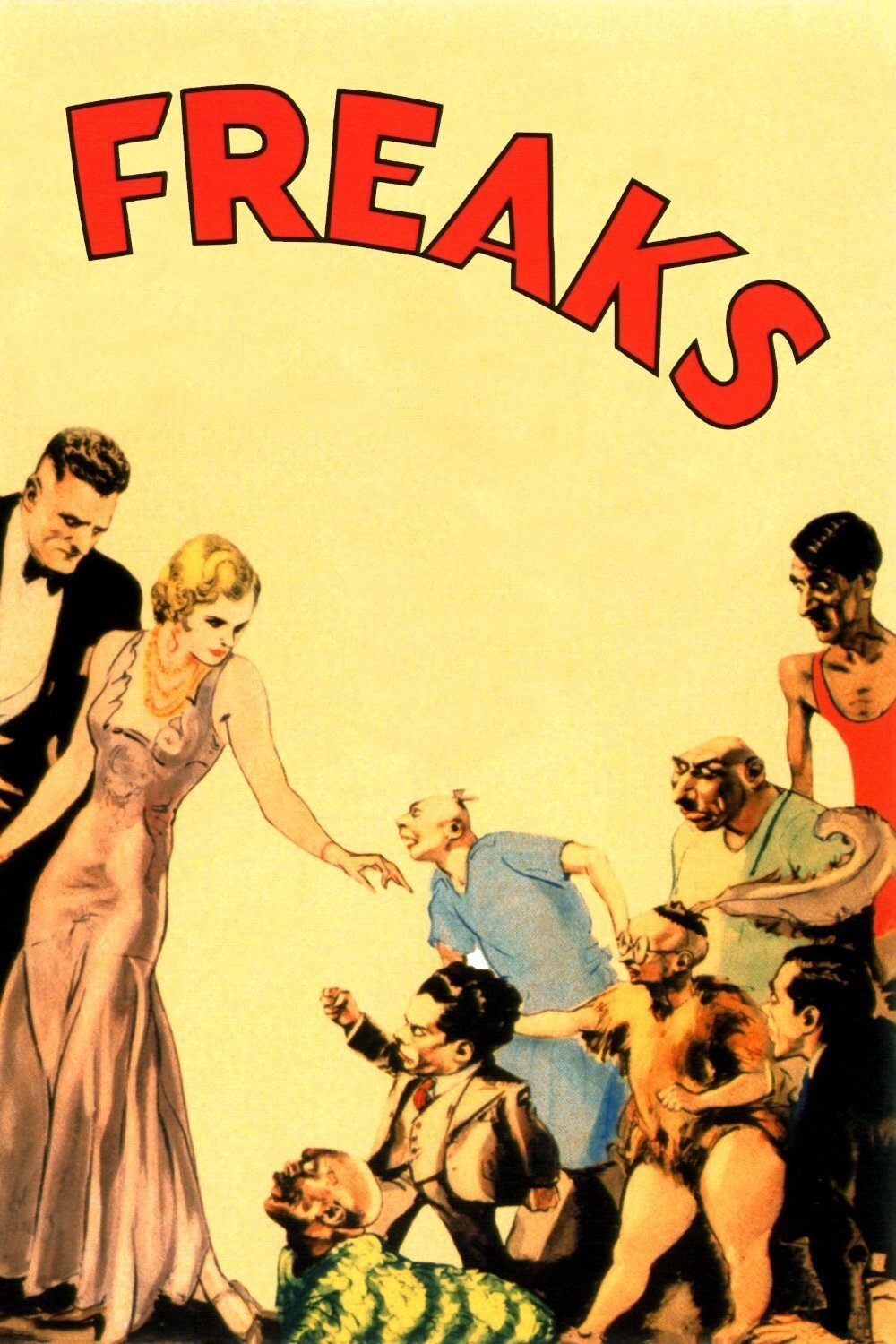
When I think back to my first time watching “Freaks,” I remember feeling both uncertain and excited. There’s something immediately accessible about this film for new viewers, no matter how different it looks from anything you may have seen. Its simplicity really works to its advantage: instead of elaborate plot twists or tricky symbolism, I found myself drawn directly into the world of a 1930s traveling circus, populated by characters who—you discover pretty quickly—are far more than just infamous faces in an old horror movie. Even if I had little experience with classic cinema at the time, I didn’t feel like I needed a film studies background to get what was happening. I was able to follow the story easily, noticing the directness in how it introduces characters and situations. The mood it builds up is immediate and—because it’s so different from modern movies—I was fascinated almost from the beginning.
For new viewers, one of the best things about “Freaks” is how it never hides its intentions. There’s no complicated dialogue. The motivations are clear. Each scene is direct and full of feeling. I found myself caring about some of the characters almost instantly, which isn’t always the case when I start watching older films. For me, the movie’s length (it’s just about an hour long) helped me relax as a beginner—I didn’t feel like I was making a huge time commitment, or getting lost in something over my head. I’ve always thought that the excitement, suspense, and even the controversial moments of “Freaks” keep beginners interested and curious about what’s coming next, making it much less intimidating than you might think a nearly century-old film could be. It’s a straightforward, human story wrapped up in an unforgettable setting, and that makes it easy to connect with, even if this is your very first step into classic movies.
What to Know Before Watching
- If you, like me, haven’t watched much from the early 1930s, it’s easy to notice that the visual style of “Freaks” feels quite different from modern films. Scenes are often shot in wide angles, sometimes holding longer than we’re used to, and the lighting can be stark or even harsh—in a way, it’s part of the movie’s strange appeal. You’ll also see real-life circus performers, many of whom had genuine physical differences and challenges. This casting, unprecedented at the time, may feel surprising or even shocking, not in a horror-movie sense, but because it’s so rarely seen on screen today.
- I recall my first impression of the film’s pacing: it was less hurried and less edited than what I’m used to, with scenes that let me sit with the characters instead of rushing me from one moment to the next. Some of the dialogue can feel old-fashioned, with pauses and silences that aren’t always filled by music or background noise. I had to adjust my expectations pretty quickly about how fast the plot would move, or how characters interact with each other.
- It’s impossible not to be caught off guard by the film’s finale—the mood shifts rapidly from casual circus life and romance to genuine horror and shock. And yet, what really surprised me as a new viewer was how much time the movie spends on quiet, gentle moments between the circus family before anything frightening at all happens. This blend of genres and abrupt turns in emotional tone left me intrigued and a bit unsettled, but also made the experience more rewarding than I anticipated.
Key Things to Pay Attention To
When I guide anyone new through “Freaks,” I always recommend focusing on two things: how the characters interact, and how the film makes you feel, rather than getting distracted by its reputation as an infamous horror film. I try to pay close attention to the relationships between the various performers—there’s such a strong sense of community and protection among them, and it feels so sincere. For someone unfamiliar with pre-Code Hollywood, it’s remarkable how the film is less about onscreen violence, and more about the emotional tension building amongst the cast. I notice a lot when I watch how the director, Tod Browning, takes time to show little moments of daily life—meals, games, conversations. These almost mundane scenes feel surprisingly warm, and they anchor the more dramatic events that follow.
I always take note of the contrasts in character motivations. Hans and Frieda’s storyline is filled with vulnerability and genuine care, while the so-called “normals” from outside the community—especially Cleopatra and Hercules—embody cruelty and manipulation. Rather than focusing on the visual “shock value” of the film’s cast, I’ve found it way more rewarding to pay attention to body language, facial expressions, and the subtle ways the film encourages you to empathize with the circus performers. There’s a simple, almost universal message at the center of “Freaks” that hit me right away: a plea for empathy, and a warning against judging others by their appearance.
For a first-time classic film viewer, I would suggest noticing how suspense is built without much music. The atmosphere is created through weather—the rain and mud of the climax, for example—and through the faces of the characters as everything changes. I try to watch for the details: the costumes, the set, and the real-life skills and performances shown on screen. These all give the movie a texture that you don’t get from slick modern blockbusters, and I think it draws you in with its raw, unvarnished presentation.
Common Misunderstandings for First-Time Viewers
- Misunderstanding 1 – Some viewers, myself included when I first watched, might assume “Freaks” is just a cruel sideshow story that’s meant to laugh at or exploit its cast. In reality, I found the film shockingly empathetic, casting its so-called “freaks” as the heroes and the outsiders as villains. The story pushes you to feel for people often misunderstood by society, and it’s the “normal” characters who come across as cold or even monstrous instead.
- Misunderstanding 2 – It’s tempting to approach “Freaks” expecting nonstop horror, especially if you’ve heard about its reputation. What I quickly realized is that most of the film is a dramatic and sometimes sweet look at community life, rather than pure terror. The horror elements show up mostly at the end, so the movie feels more like a human drama for the larger part of its runtime.
- Misunderstanding 3 – I often hear new viewers say they worry the film will be “too old-fashioned” or that they won’t understand the social context. What I discovered is that the emotional core is actually very easy to follow. There are themes of belonging, betrayal, and revenge that still land powerfully today, even if the filmmaking style is from another era. I had an easier time connecting to the characters than I expected.
Is This a Good Starting Point for Classic Cinema?
When I try to remember what made me fall in love with classic films, “Freaks” comes back to mind because of how immediate the emotions were for me. As odd and unsettling as it can be, I think this movie is a brilliant starting point for exploring cinema history—mainly because it doesn’t demand any previous knowledge about the era or the style. It’s short, to the point, and offers a completely different experience from most modern movies. I felt engaged from the first scene, partly because the film tries so openly to connect with the viewer on a human level. The message about inclusion and prejudice still resonates, and the cast’s real-life stories make everything all the more compelling.
For me, what sets “Freaks” apart as a beginner pick is its ability to surprise on so many fronts: it’s more heartwarming (and heartbreaking) than you expect, more modern in its sympathy for outsiders than the era would suggest, and genuinely memorable. If you’re curious about how classic films can challenge, move, and surprise today’s viewers, watching “Freaks” is an excellent—and surprisingly accessible—way to start your journey. I’ve been recommending it to friends and fellow beginners for years, and every time, I get the sense they’re glad they took the leap.
If you’re wondering how this film compares to others that have stood the test of time, these may help.
🎬 Check out today's best-selling movies on Amazon!
View Deals on Amazon