
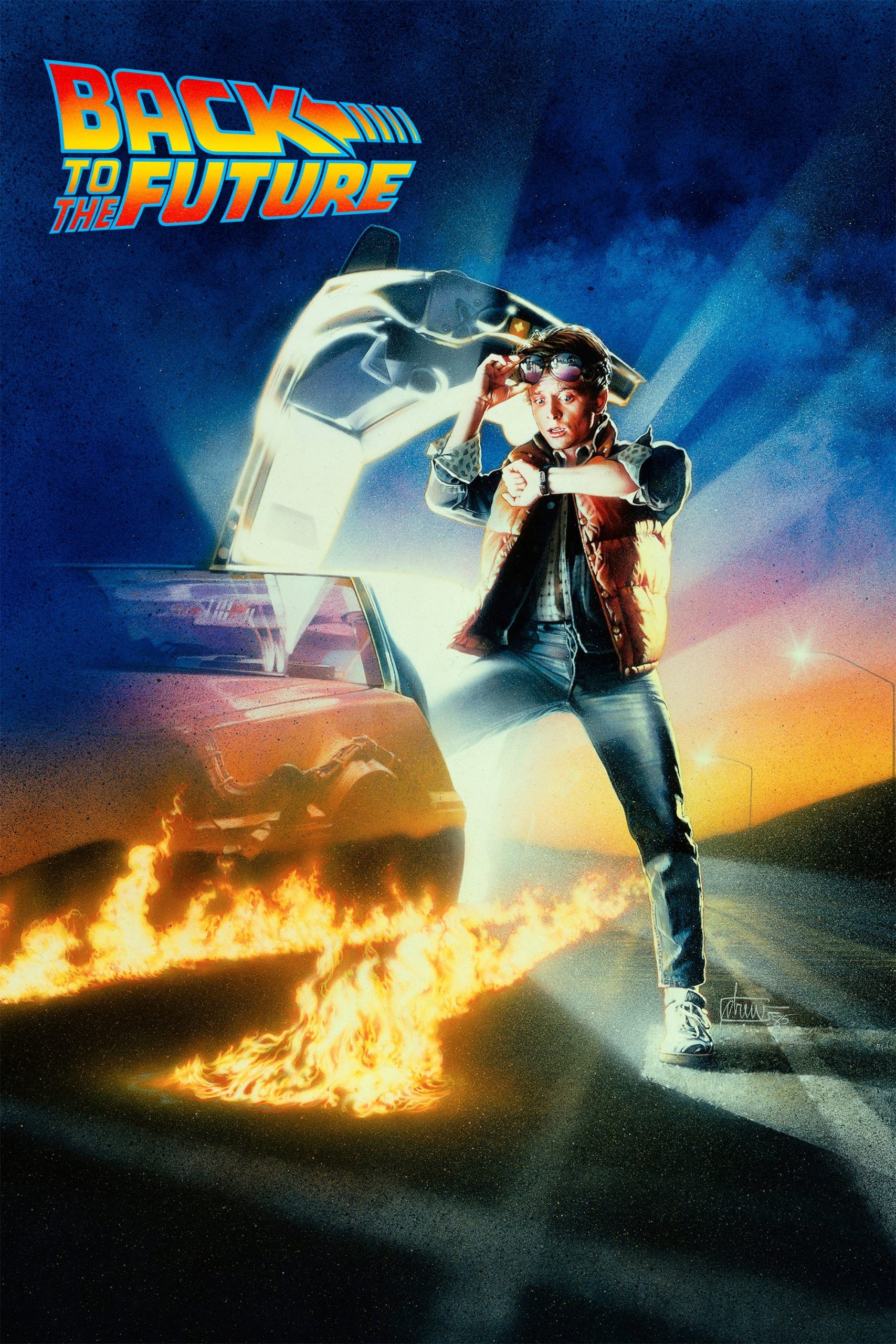
The First-Time Viewing Experience
For me, the first time I watched Back to the Future felt astonishingly alive—like stepping into a rollercoaster built from wild-eyed imagination, fizzy humor, and a profoundly heartfelt embrace of 1980s suburban America. I had heard the title uttered for years as a shorthand for “retro fun,” but sitting down to watch it, I wasn’t prepared for just how electrifying and fresh it would feel. I found myself grinning, almost embarrassed, at how instantly I connected with Marty McFly as he skateboarded down his sleepy hometown’s Main Street, Walkman blaring. But the true magic came when that ordinary surface started to peel back and the movie revealed itself as something stranger and more adventurous than I’d ever expected.
I think what struck me most was how quickly the film felt both expansive and intimate. The dizzying invention of the time-travel premise—the DeLorean roaring to life in a plume of glowing blue energy—never left me confused or left behind. Instead, I felt invited along, swept up in Marty’s mixture of disbelief and awe. I noticed how, even decades after the film’s release, the story didn’t demand a suspension of disbelief so much as it invited me to believe, and to remember how it felt to be enthralled by possibilities.
As the high-spirited plot unfurled, I realized that “classic film” in this context didn’t mean dated or dusty, but exuberantly alive. Watching this film as a newcomer today, every beat pulses with a sense of discovery. The 1980s details—the Pepsi cans, oversized headphones, or Doc Brown’s wild white hair—felt less like museum pieces and more like the affectionate quirks of an old friend I hadn’t met yet. I couldn’t help but feel a bizarre nostalgia for a time I only knew secondhand, and I think that’s a testament to just how contagious Back to the Future’s energy really is.
My feelings evolved as the movie pushed Marty into bigger and more disorienting dilemmas: the shock of seeing his own teenage mother in a high school hallway, the benevolent menace of Biff the bully, and the tightrope act of causing—and then mending—catastrophic ripples in the past. I was struck by the alternating current of hilarity and earnestness, that rare mix which made me genuinely care about this family while still relishing every clever joke. Even the movie’s famous climax, with its madcap scramble to channel a lightning bolt into the DeLorean’s flux capacitor, had my heart thumping as if I were a child watching an impossibly thrilling cartoon in real life.
What I remember most keenly, though, was the surprising sense of hope that lingered with me after the final credits. I found that the film never let cynicism cloud its fun or its affection for its characters. Instead, that hopeful spirit reached something fundamental in me: the wish to make things right, to connect more deeply with my own family, and to seize whatever chance might come my way—even if it looks like a battered sports car promising a ride to yesterday.
Emotional Moments That Resonate
There are scenes in Back to the Future that, no matter how many times people reference or parody them, lose none of their electricity when experienced firsthand. For me, the biggest emotional hit came in the moments where generations stumble into understanding one another. I found it unexpectedly moving when Marty, masquerading as “Calvin Klein,” looks at the younger versions of his parents and realizes they are more vulnerable—and perhaps more like him—than he ever imagined. The awkwardness of that teenage dance, where his very existence hangs in the balance, felt oddly raw and real, precisely because it merges sci-fi absurdity with universal fears of belonging, acceptance, and change.
I’m always struck by the bond between Marty and Doc Brown. Their friendship, so unlikely on the surface, became more than just a vehicle for jokes or adventure. When Doc risks everything to help Marty, his wide-eyed enthusiasm shaded by streaks of loneliness and longing for significance, I saw something beautifully human. The moment when Marty pleads with Doc Brown to read his desperate note—“You’ve got to listen to me about the night I go back!”—tugs at my heart in a way that transcends the film’s wild premise. There’s a sort of aching affection there, a reminder that real friendship means listening, believing, even if it upends your view of the world.
The film doesn’t shy away from uncertainty or disappointment, either. I remember feeling nervous for Marty as his own actions threaten to erase him—literally fading out of a family photograph. It made me ponder the heavy responsibility of the past and how even well-intentioned mistakes can send ripples through the people we care about most. That sense of loss, the fleeting images of a vanishing brother and sister, adds a sharp edge to the comedy and the spectacle.
And then there are moments of pure, heart-lifting joy: the wild rush as Marty surfs behind a car on his skateboard, his spontaneous performance of “Johnny B. Goode” at the Enchantment Under the Sea dance—where the pure, boisterous thrill of making music and being seen and heard still resonates with anyone who’s ever wanted to stand out. These scenes always make me catch my breath. No matter how many years have passed, it’s still stirring to watch a character blend ambition, fear, and hope in a split-second decision to make his mark.
I also can’t forget the surge of exhilaration I felt as Doc Brown, arms outstretched in triumph and panic, finally channels the lightning bolt and sends Marty home. The cheap effects now feel almost poetic in their confidence—a testament to the film’s conviction that ingenuity and belief can bend the world to your will. In that instant, I remember feeling that this movie truly belongs to dreamers, improvisers, and people who love their families even when circumstances go wildly awry. That feeling, I think, is timeless.
How to Appreciate This Film Without Prior Knowledge
Entering Back to the Future with fresh eyes, I never once felt like an outsider needing to do homework. The film’s genius, in my view, is how it sweeps up newcomers without expecting any expertise in science fiction, 1980s culture, or even time travel stories. I appreciated that I didn’t need to catch every era-specific reference or in-joke to be pulled along by the story. What mattered was the core: the glow of curiosity, that sense of being out of place and trying to fix what feels broken, and the willingness to laugh as you go.
The story itself, for me, works like a beautifully constructed joke—one that welcomes you in, lets you in on the setup, and trusts that the punchline will land. I never felt lost. Any fanciful explanation about time machines and paradoxes arrived with a wink, wrapped in Doc Brown’s infectious excitement. The movie shows, rather than tells, what’s at stake. It’s easy—even for a total newcomer—to sense Marty’s anxiety as he mishandles the past, or to share in his relief as he finds a way back home. The structure just feels right, allowing first-time viewers to glide from one twist to the next without ever missing a beat.
Perhaps what I loved most as a new viewer was how welcoming the film felt, almost as if it believed anyone willing to sit down and watch was already part of its family. The film’s heart always eclipses its technical conceits. You don’t need a background in science fiction, or nostalgia for the 1950s, to empathize with Marty’s longing to repair his family, or Doc Brown’s dream to literally change the world. All that’s needed, I realized, is a willingness to be open to wonder; the rest unfolds naturally, with jokes and action woven seamlessly into moments of real emotional warmth.
I found the experience of watching Back to the Future for the first time to be joyously self-contained. There’s no sense of arriving late to a conversation; instead, the film is the kind of friend that insists you have a seat, hands you a Coke, and dazzles you with a story you’ve somehow been waiting to hear. I never once wished I knew more or needed expertise. In a world overflowing with dense franchises or intimidating lore, discovering a film that offers such immediate, open-hearted delight felt genuinely rare—and profoundly satisfying.
Who This Film Is Best Suited For
- People looking for a heartfelt, funny adventure without needing special knowledge of film history or science fiction
- Viewers who cherish stories about family, friendship, and transformation—regardless of their love for nostalgia or period details
- Those eager for a vibrant, emotionally engaging experience that balances spectacle with real personal stakes
A Beginner’s Final Recommendation
To anyone considering Back to the Future for the first time, my encouragement is wholehearted: step into it without reservations or expectations. I know how easy it is to feel “late” to a beloved classic—worried that the magic will only work for those who saw it in theaters, or who carry some childhood memory into every scene. But this film, from my experience, sidesteps all those barriers. My own first watch left me exhilarated, surprised, and oddly reassured. I laughed more than I’d anticipated, found myself moved by moments that felt quietly profound, and closed the movie feeling lighter, buoyed by its sense of wonder and possibility.
If you come to it open-hearted, you’ll find a rare gift: a story that recognizes both the awkwardness of growing up and the joy of finding your place in the world—whether that means repairing a broken timeline or simply being true to yourself. The movie’s affection for its characters, its buoyant spirit, and its confident sense of fun will, I believe, welcome you no matter where you’re starting from or what you may have heard about it before. If you give the movie your attention, even for a couple of hours, you just might discover what I did: that some stories are “classics” not because they belong to the past, but because with every new viewer, they live again.
To understand whether timeless appeal still resonates today, modern reassessments are worth exploring.
🎬 Check out today's best-selling movies on Amazon!
View Deals on Amazon