
Why This Film Is Beginner-Friendly
When I first sat down with Ingmar Bergman’s Autumn Sonata, I was anxious about dipping my toe into the world of classic international cinema. So many black-and-white masterpieces and subtitled dramas seem daunting from afar, but this film eased me in gently. The emotional atmosphere and the direct, raw dialogue made me feel less like I was deciphering art and more like I was holding a quiet, honest conversation with someone I could relate to. Right from the start, I recognized my own family dynamics in the characters. I didn’t need a background in film or a deep knowledge of history to feel the tension and longing between the mother and daughter. The intimacy and the pared-down setting—just a couple of women, a piano, and a house—let emotions fill the screen in a way that felt immediate and surprisingly modern. I wasn’t lost or bored or overwhelmed. Instead, I felt seen, regardless of the film’s release year or its language. That’s why I believe Autumn Sonata is friendly for anyone just starting their journey into classic cinema: it’s accessible, personal, and deeply human long before it’s “classic.”
What to Know Before Watching
- Historical or stylistic elements that may feel unfamiliar: The movie was made in 1978, but sometimes while watching, I forgot the era because of how timeless the mother-daughter relationship felt. Still, some viewers might notice a slower editing style and few changes of location, and the fact that it’s spoken in Swedish with subtitles may feel new if you haven’t tried foreign films before.
- Pacing or storytelling differences from modern films: One of the biggest adjustments for me was the pace. Unlike today’s films, where quick cuts and constant action keep your attention, Autumn Sonata lingers. Scenes unfold like real-life conversations—quiet, patient, and sometimes a bit awkward. This felt more like listening to an honest exchange than watching a performance.
- Anything that might surprise new viewers: I was not prepared for how close-up and raw the movie gets. The camera stays on faces, holding on tears, silences, and little facial movements. There’s also very little background music compared to most modern films, which made the emotional confrontations feel even more naked. The biggest surprise for me was how much subtle communication happens with just looks and pauses, rather than with grand gestures or speeches.
Key Things to Pay Attention To
Every time I rewatch Autumn Sonata, I notice that most of the meaning comes from what’s unsaid. I pay attention to how the two main characters, Eva and her mother Charlotte, move around each other, sit, look, and react. Early on, I missed just how important their body language was—the way Eva’s shoulders curl, the tightness in Charlotte’s smile, the small hesitations before answering. These little details tell you everything you need to know about the distance and longing between them, even before the words start spilling out.
As a beginner, I’d recommend watching how the camera lingers, especially during conversations. Instead of jumping back and forth, Bergman lets one character react in silence, sometimes for what feels like forever. I always find these silent moments more honest than anything they manage to say, and they make me reflect on the things I struggle to express in my own life.
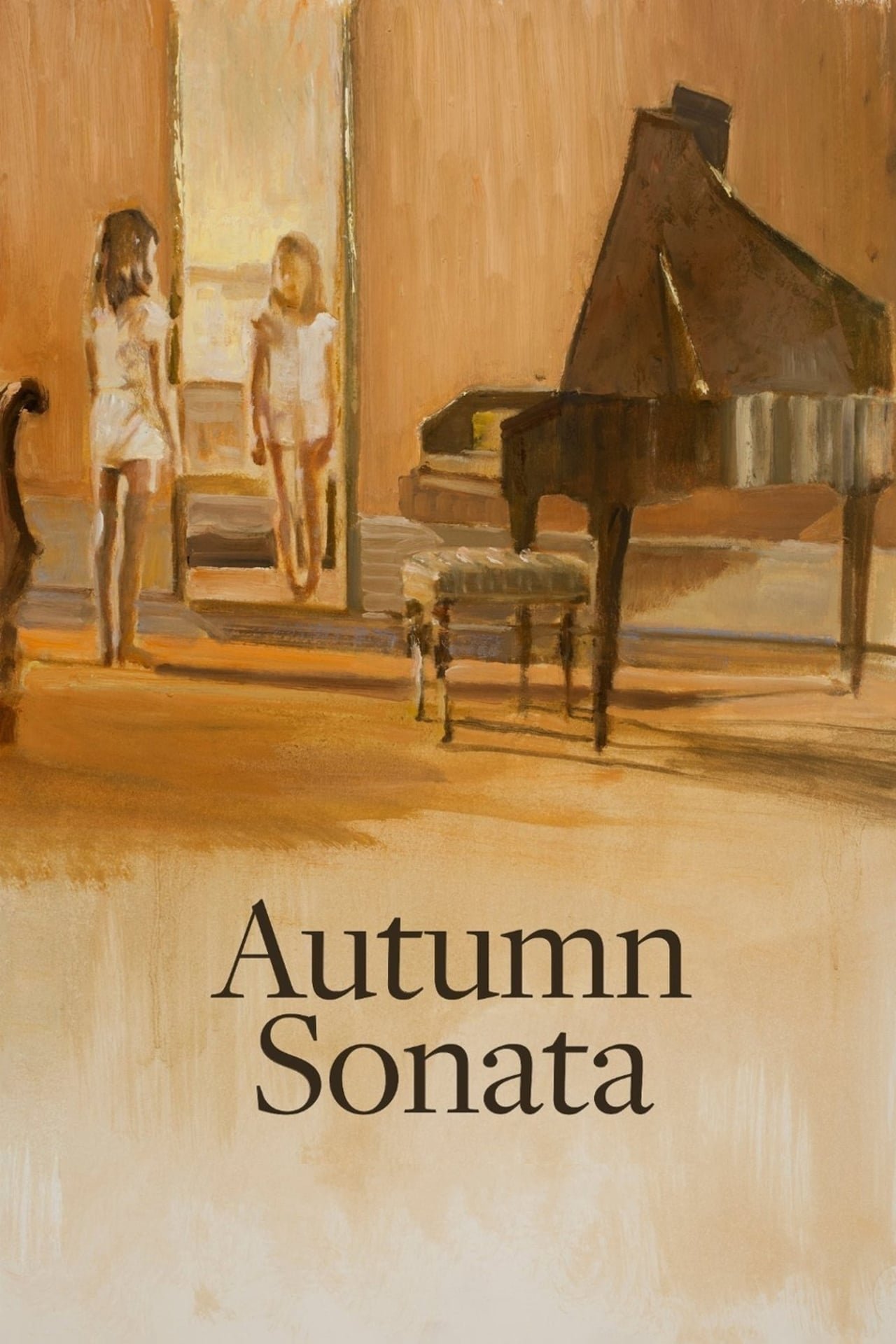
Also, the way music ties into the story fascinated me. There’s an extraordinary piano sequence where Eva plays for her mother, and it becomes a kind of conversation of its own. I remember feeling chills; it’s not really about getting the notes right but about all the things they wish they could say to each other. Every time the piano is played, I listen as if I’m eavesdropping on a family argument or a plea for acceptance.
Finally, I pay attention to the setting. The cozy house, usually at night, and the soft, natural light make me feel the intimacy of the story and the weight of the conversations. I get the sense that all of the emotions that were hidden for years in this family are finding their way to the surface, and the physical space somehow makes it feel possible.
Common Misunderstandings for First-Time Viewers
- It’s just a “slow” movie – Clarification: I’ve heard people call Autumn Sonata slow, but to me, that’s part of what makes it so powerful. I used to expect movies to move at a certain pace, but this film taught me that taking time with characters lets emotions sink in more deeply. The pace allows me to absorb every glance, sigh, and nuance. I realized it’s not slow out of laziness; it’s intentional, asking me to be present with these women as they unravel.
- The story is unrelatable or exaggerated – Clarification: At first, I thought the intensity of the mother-daughter argument was something that didn’t belong in “real” families, but I was wrong. The feelings—resentment, admiration, bitterness, longing for approval—are all things I’ve recognized in myself or those around me. I learned that even if my background isn’t the same, the emotional truth feels universal. What at first seemed melodramatic ended up being heartbreakingly real.
- You need to know about Bergman or film history – Clarification: I worried that I might miss hidden meanings without knowing Bergman’s other films or his legacy. But everything I needed was there on screen. The honesty of the dialogue and the piercing performances work whether I’m a film buff or not. In the end, I didn’t need a guidebook—just a willingness to watch carefully and let the film’s emotional honesty meet me where I am.
Is This a Good Starting Point for Classic Cinema?
I often recommend Autumn Sonata to anyone whose first step into classic film feels intimidating. For me, this wasn’t just another “old movie”—it was a film that opened me up to the idea that classics can feel modern and personal, even in another language and another era. It’s quiet, it’s clear, and it doesn’t depend on elaborate sets or hard-to-follow plots. I found myself reflecting on my own relationships and the words I wish I’d said long after the credits rolled.
What excites me about suggesting this film is knowing you don’t have to study, or even do much preparation, to have a meaningful experience. I think it’s a gentle challenge—asking you to be present, to listen, and to open yourself to unfamiliar rhythms that are, at heart, not very unfamiliar at all. If you’re new to classic films and you want a story that values sincerity and emotional courage over spectacle, I truly believe Autumn Sonata is a beautiful, rewarding, and inspiring place to begin. It proved to me that “classic cinema” doesn’t have to be intimidating or remote; it can feel just like home.
If you’re wondering how this film compares to others that have stood the test of time, these may help.
🎬 Check out today's best-selling movies on Amazon!
View Deals on Amazon