
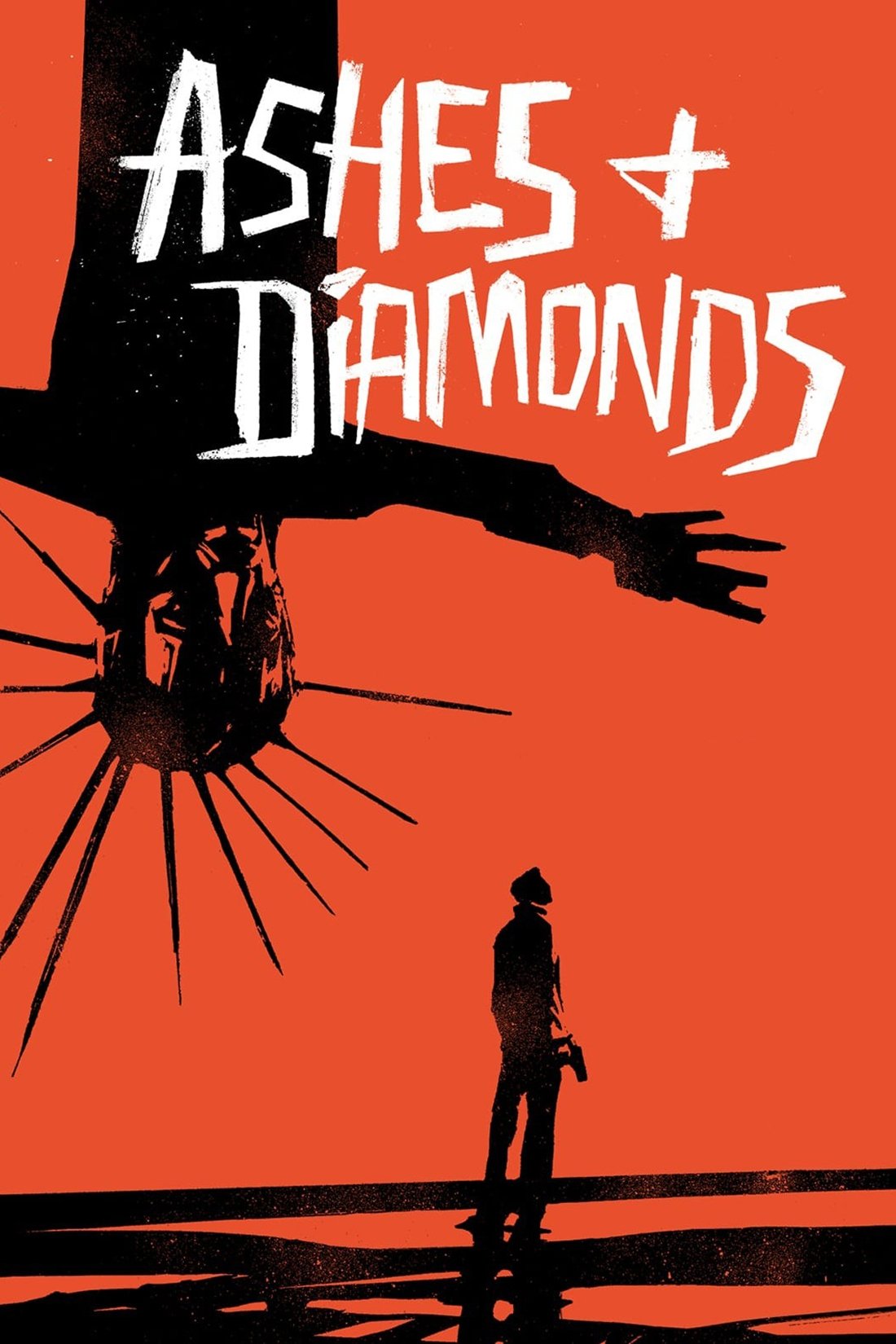
Why This Film Is Beginner-Friendly
When I first sat down with “Ashes and Diamonds,” I wasn’t sure what to expect from a black-and-white Polish film from 1958. But almost immediately, I realized there’s something incredibly approachable about it, even for someone like me who didn’t grow up on classic world cinema. What struck me right away was the energy that pulses through every scene—this is a movie that never lets you just sit back passively. Instead, it pulls you in with its urgency, its emotional undercurrents, and the clear, bold way it presents its characters and their choices. Rather than feeling stuffy or distant, I found “Ashes and Diamonds” remarkably direct and heartfelt. Its themes—moral choices, disillusionment, and longing for meaning—are universal, and I could truly sense the hearts of the characters beating under their war-weary exteriors.
For someone who’s new to classic films, I’d say one of the main reasons this movie feels so accessible is that its conflicts are timeless. I didn’t need a deep understanding of Polish history to be gripped by the hero’s inner struggle. Even though the setting is unfamiliar—Poland at the end of World War II—everything is presented in a way that invites empathy rather than confusion. I also felt comforted by how cinematic it is: the visuals spoke volumes, the camera movements added life, and the expressive performances were captivating. The director, Andrzej Wajda, uses powerful images and close-ups to express feelings, which meant I could follow the story just by watching faces and gestures, even when the cultural context was new to me. Ultimately, it felt like stepping into a world both intimate and understandable, despite its foreignness. That’s rare with older films, and it’s why I consider “Ashes and Diamonds” beginner-friendly in the truest sense.
What to Know Before Watching
- Historical or stylistic elements that may feel unfamiliar
- When I first watched, I needed a minute to orient myself to the film’s setting: Poland in May 1945, right after the German occupation ended but before peace actually feels stable or hopeful.
- There are references to different factions, like Polish resistance fighters and communist officials, which I initially found confusing. The movie doesn’t spoon-feed this background—if you’re unfamiliar with these details, I recommend just observing who seems to trust whom and who stands apart. You’ll get the emotional gist without a history lesson.
- Stylistically, the black-and-white visuals and moody lighting felt much more vivid than I expected. I noticed scenes that look almost artistically staged, especially in the way shadows and light are used. It’s different from the bright, every-detail-in-focus look of modern movies, but it’s actually more immersive than intimidating.
- Pacing or storytelling differences from modern films
- The pace is deliberate. I found some moments linger longer than I was used to, especially emotional silences or shots without dialogue. At first, I worried I was missing something, but soon I realized these pauses let me process the weight of what’s happening.
- The story unfolds over a single day and night, and many scenes happen in a hotel bar or outside at night. It doesn’t race from one plot point to the next; instead, small interactions accumulate meaning. I found myself adjusting to a rhythm that allows for quiet observation rather than constant action.
- Anything that might surprise new viewers
- I was surprised by how modern some moments felt, both visually and in attitude. In particular, the lead character, Maciek, reminded me of a James Dean type—cool, rebellious, masking deep pain. There’s a nightclub scene where I realized, this doesn’t feel old-fashioned at all—it’s moody, stylish, and alive.
- Some moments include abrupt violence or sudden tonal shifts. I remember feeling unsettled (in a good way) by how quickly the film could move from romance to tension. It kept me guessing and engaged, rather than letting me get too comfortable.
- Don’t expect elaborate special effects or big set-pieces—most of the drama is in small gestures or glances. For me, that made it feel more real and immediate rather than less exciting.
Key Things to Pay Attention To
If someone had told me to pay less attention to the specifics of plot and more to the shifting feelings and glances, I might have enjoyed “Ashes and Diamonds” even more on my first viewing. So that’s my advice to other beginners: watch how emotions move across the actors’ faces, especially Maciek’s. I think the heart of this movie lives in these silent exchanges. The lead actor, Zbigniew Cybulski, wears sunglasses and a rumpled suit, and almost every movement and line he delivers packs a mix of hope and defeat. Watching him, I understood—without needing any subtitles—just how lost he’s feeling, and how desperately he wants to do the right thing, even if he no longer knows what that is.
Something else I began to appreciate was the way the camera is used. I noticed how often the director places us right in the middle of intimate, private moments. When Maciek lights several glasses on fire in the bar—this famous, haunting image—I felt it as much as I saw it. If you’re someone who’s used to modern movies with lots of explanation, my tip is to let the visuals guide you; look for how shadows stretch across a room, or how a burst of brightness suddenly changes the mood. These cinematic elements are central to the emotion and the message, often more so than the dialogue.
The secondary characters surprised me with their complexity as well. Pay attention to the conversations that happen in the background or the way the hotel staff and guests observe each other. I found myself relating to the anxiety and uncertainty in every encounter. This took me out of my initial stance as a mere observer; I felt like I understood, in a lived sense, how fraught and confusing life can be in times of transition and moral ambiguity. I also recommend noticing the use of music—both in the nightclub scenes and in the rare, quiet moments. It’s used sparingly but packs a real emotional punch. These sensory details made the story resonate for me, even when I wasn’t following every historical nuance.
Common Misunderstandings for First-Time Viewers
- Confusion about who the “good guys” and “bad guys” are – When I went in, I expected clear sides because I’m used to war films that draw sharp lines. But here, nobody’s really a stereotype. It took me a little while to understand that Maciek and his friends aren’t portrayed as simple heroes or villains—they’re just people stuck in impossible circumstances, and their doubts are part of what makes the story so relatable.
- Assuming the story is only about politics – Initially, I was worried I’d be sitting through a dense, historical lesson. But early on, I realized this is a movie about choices, love, and disappointment. The war politics create the backdrop, but the heart of the film is really about individuals longing for peace and meaning.
- Thinking the quiet moments don’t matter – At first, those scenes where nothing seemed to be happening made me impatient. Later, I realized that’s where the movie breathes. I came to see these silences—the way Maciek’s hands tremble, or the wistfulness when he shares a drink with Krystyna—as some of the most powerful parts. They left space for my own thoughts and feelings, letting me connect to the story in a way I didn’t expect.
Is This a Good Starting Point for Classic Cinema?
Honestly, reflecting on my own experience, I’d say “Ashes and Diamonds” is not just a good entry-point—it’s a fantastic one. When I first decided to explore older, international films, I was nervous about being overwhelmed by cultural details, translation, or slow pacing. But this movie cut right through those worries with its emotional honesty and gripping visuals. I never felt like an outsider looking in; instead, I felt welcomed by the humanity at its core. Even if I missed some references, the themes—confusion, guilt, yearning for a better life—felt directly relevant to me, and they lingered long after the credits rolled.
If you’re hesitant about black-and-white films or subtitles, I completely understand. My own background was mainly in recent Hollywood cinema, and I found the transition surprisingly smooth. The emotion in the actors’ eyes, the stunning, expressive cinematography, and the tension that runs through every scene made me almost forget I was watching a film in another language. I came away wanting to see more—to try other Polish cinema, to look at other films by Andrzej Wajda, and to not be intimidated by the “classic” label ever again.
What helped me most was approaching it with curiosity rather than expecting everything to make perfect sense. It was liberating to realize that even if I didn’t know every historical detail, I could still be moved and even thrilled by the performances, the love story, and the haunting sense that choices matter deeply. This is a film that never talks down to you—if you follow the feelings and pay attention with an open mind, it’s almost impossible not to be moved.
If you’re someone who wants to open the door to classic cinema, and you’re searching for a film that’s stylish, emotionally rich, and instantly engaging, my personal experience tells me that “Ashes and Diamonds” is an ideal place to start. You don’t need a guidebook or a film studies background—just a willingness to see something honest and beautifully made. I can’t think of a better way to begin discovering how much classic cinema still has to offer.
If you’re wondering how this film compares to others that have stood the test of time, these may help.
🎬 Check out today's best-selling movies on Amazon!
View Deals on Amazon