
The First-Time Viewing Experience
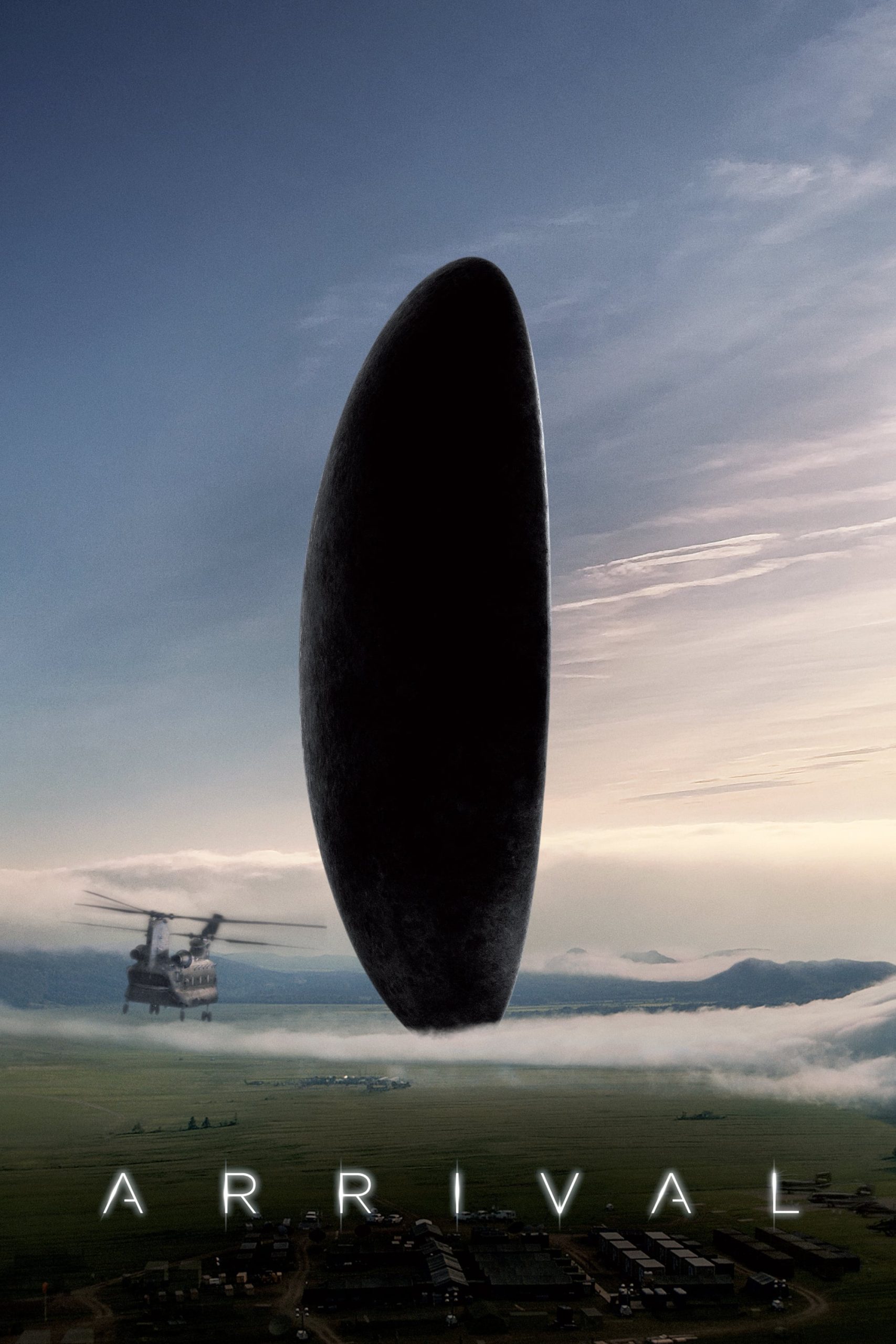
From the first frames of “Arrival,” I remember feeling an unfamiliar hush—an otherworldly quiet that invited me to lean in, to listen with my whole being. Watching this film as a newcomer isn’t like settling into a conventional science fiction spectacle. Instead, there’s a deliberate, almost meditative pace that sets in. My curiosity was piqued not just by the looming presence of the alien ships, but by the introspective atmosphere that hinted at much deeper, more human mysteries. The world felt close to my own, but gently askew; I found myself paying attention not to the usual pyrotechnics or futuristic brashness, but to whispers of emotion, subtle shifts in character, and the gradual building of tension that thrummed not just in the story, but within me.
The sheer unfamiliarity of the film’s language—both literal and emotional—left me both slightly disoriented and irresistibly curious. There is a disarming vulnerability to the way “Arrival” introduces its central questions. I recall feeling that sinking sensation of being faced with something vastly greater than myself, and yet utterly personal: the possibility that language, and by extension, communication and understanding, could shape the very way I experience time and memory. It’s an odd thrill, realizing midway through that my expectations as a viewer—of straightforward answers or linear progression—simply did not apply here. If I had to sum up my first encounter with “Arrival,” it would be an enveloping sense of awe, tinged with the bittersweet flavor of uncertainty I’ve only rarely felt at the movies.
Some films demand to be watched with clenched fists and pounding heartbeats, but my first viewing of “Arrival” encouraged the opposite. I found myself breathing slower, noticing the delicacy of sound, the shadows and light, the somber beauty in every shot. Each discovery felt handed to me with care. There’s a hush in the audience, a reverence, as if we all recognize something precious is unfolding. On that first watch, I wasn’t simply trying to guess what was coming next; rather, I was coaxed into letting go of my incessant need for certainty, and invited instead to feel—fully, unguardedly, and with wonder—what the film unveiled about communication, grief, and hope.
Emotional Moments That Resonate
There are certain scenes in “Arrival” that I will never forget, mostly because they struck a nerve I didn’t know was bare. One moment in particular comes when Dr. Louise Banks, played with such gentle ferocity by Amy Adams, attempts her first halting interactions with the extraterrestrials. It wasn’t fear or awe of the unknown that got to me—although there’s plenty of that—but the palpable yearning for connection, the ache and courage in her voice as she reaches across a chasm where words themselves may have no meaning. In these scenes, I felt a reflection of every moment in my own life when I struggled to communicate something truly important, fearful and hopeful at once that my intentions might be understood. That raw, human need to be seen and heard spills out of the film in ways that transcend genre conventions.
Another emotional wave washes over in the film’s more intimate flashbacks—though they only reveal their true nature as the story unfolds. The way “Arrival” portrays memory is breathtaking, capturing the flicker of love and loss in a single, lingering glance. There’s an undeniable ache in watching Louise cradle her daughter, the sunlight soft and golden, knowing what that memory eventually means. It’s a quietly devastating undercurrent that, for me, blurred the boundaries between joy and sorrow. The soundtrack by Jóhann Jóhannsson heightens this emotional depth, not with swelling strings or melodrama, but with a pulsing tenderness that grows each time a revelation lands. I felt tears welling not just because of one tragic event or another, but because the film captures the entire experience of a life—its beginnings, its endings, and its infinite, fragile moments in between.
And then there’s that extraordinary, disorienting point where time itself seems to fold, where past and future intermingle in a cascade of memories and possibilities. In that instant, I felt the full weight of the film’s ideas crash over me: the courage it may take to embrace joy even when we know it will end, the unspoken lines between choice and fate. The final emotional triumph for me comes not in the film’s mysteries being solved, but in witnessing Louise’s acceptance—her willingness to love and lose anyway. These are moments that don’t just linger after the credits roll; they seep into the way I think about my own capacity for connection, forgiveness, and understanding of others, regardless of the boundaries that may divide us.
How to Appreciate This Film Without Prior Knowledge
When I first approached “Arrival,” I came armed with neither academic knowledge of linguistics nor deep expertise in science fiction. What comforted me, upon reflection, was discovering that this film asks for no such background from anyone. It is, above all, a story about humanity—about questions we all carry, whether or not we possess the language to give them voice. I learned quickly that “Arrival” isn’t a test for the cinephile; rather, it’s a gentle invitation to be uncertain, to follow threads of emotion and meaning wherever they lead, regardless of how familiar or foreign they may at first appear.
My favorite realization was that the film’s “puzzles” are not meant as barriers, but as doorways. The mysterious glyphs and cloaked meanings don’t require me to decrypt anything in a technical sense. Instead, every interaction, every piece of the alien language, is an opportunity to witness someone—Louise—attempt to communicate, to reach and to understand. The thrill comes from watching human ingenuity and emotional resilience in the face of the unknown, a theme that runs deeper than any technical plot device. I never once felt that I needed to be a science whiz or philosophical scholar to grasp the film’s heart. The ambiguity wasn’t intimidating; it was inviting. I was granted permission, for once, to live with the questions, to feel my way along with the characters, and to delight in what was left unsaid as much as what was revealed.
Ultimately, I discovered that appreciating “Arrival” is about patience and openness—qualities anyone can bring, regardless of knowledge or expectations. If I could reassure my past self starting the film anew, I would say: don’t worry over “getting” every twist or technical detail. Trust the flow of image and sound, the honesty in the characters’ eyes. Embrace the unfamiliar rhythm, and let yourself be moved. The film opens up in ways that surprise and reward on emotional and intellectual levels, but its deepest resonance comes from simply letting yourself take the journey alongside its protagonist. No expertise is needed to find yourself changed—only a willingness to experience the questions and emotions at the film’s core.
Who This Film Is Best Suited For
- Anyone drawn to deeply emotional storytelling and philosophical questions about connection and purpose
- Viewers who appreciate thoughtful, atmospheric science fiction that privileges ideas and feeling over spectacle
- People who crave films that linger in the memory and spark fresh ways of seeing their own experiences
A Beginner’s Final Recommendation
“Arrival” offered me one of the most quietly transformative encounters I have ever had with a film. If you find yourself on the verge of watching for the first time, I want you to know: your experience matters more than any expectation or background knowledge you bring. I was surprised—and deeply moved—by how gently this film took hold of me, never rushing me to conclusions or bombarding me with bravado. Instead, it allowed me the space to sit with questions, to feel wonder and heartbreak and awe, sometimes all at once. Something remarkable happens when a film trusts its audience not to solve a riddle, but to feel their way toward understanding.
What makes “Arrival” endure, at least for me, is not the cleverness of its science fiction framework, but the vulnerability at its core. It is a film that invites you to see the world differently, to notice how easily communication can falter or flourish, to recognize the bravery needed to meet the unknown with openness. For anyone hesitant, I promise: “Arrival” welcomes you exactly as you are, rewarding your patience with revelations both grand and intimately human. If you give yourself over to it—letting go of the urge to know everything at once, allowing yourself to simply be present—you’ll discover a film less interested in answers than in awakening the questions you didn’t know you were carrying. My hope is that you experience what I did: a sense of connection, not just to the story but to the very heart of what it means to be human.
To understand whether timeless appeal still resonates today, modern reassessments are worth exploring.
🎬 Check out today's best-selling movies on Amazon!
View Deals on Amazon