
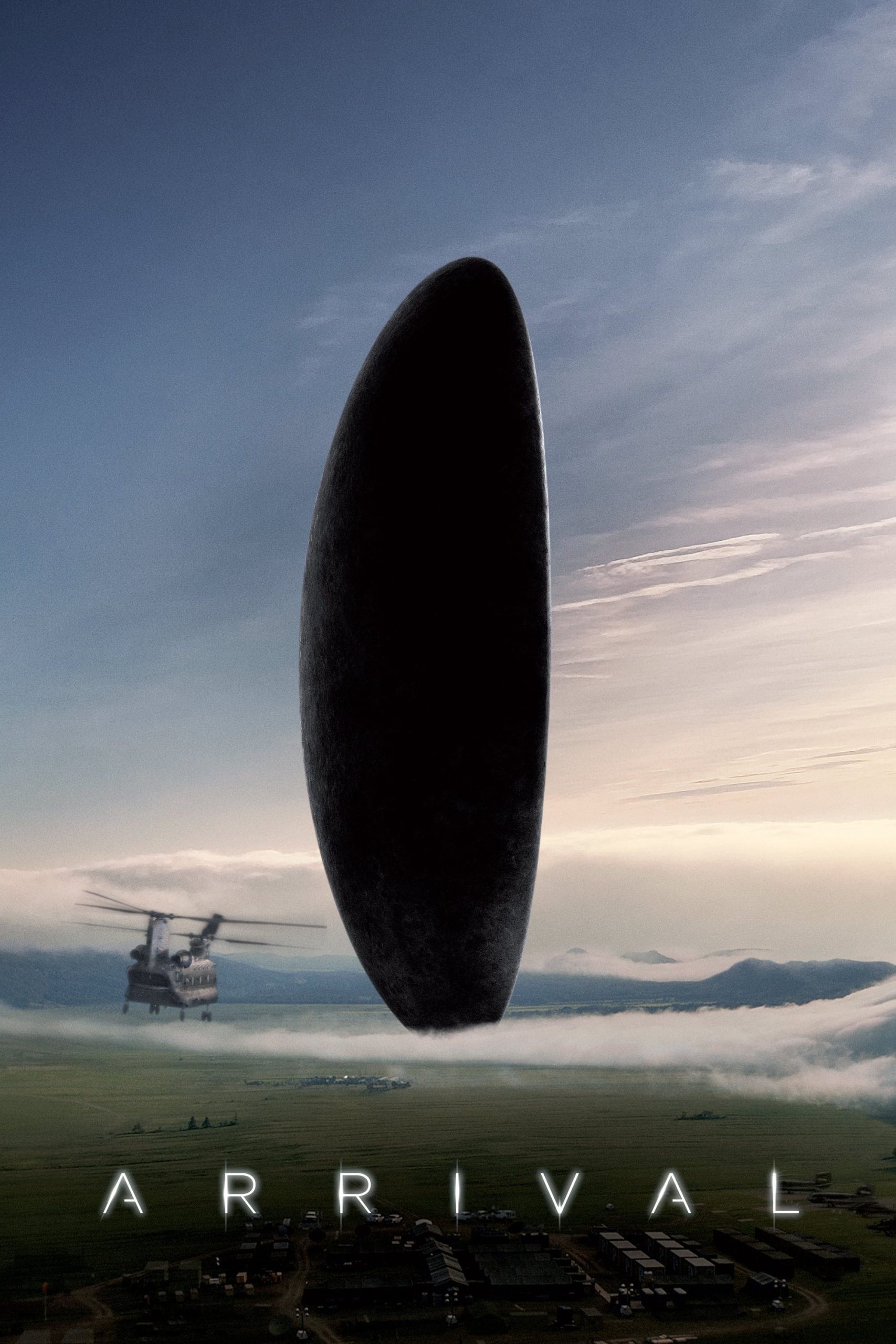
Why This Film Is Beginner-Friendly
I still remember the lingering feeling as the credits rolled—the sense that I’d just experienced something not intimidating or overwhelming, but quietly profound. Out of all the ways to step into the world of classic, thought-provoking cinema, Arrival felt like an inviting first step. I actually found its gentle pace and focus on personal emotion refreshingly accessible, compared to the intimidating reputation many influential films have for new viewers. As someone who once hesitated to dip a toe into acclaimed films for fear they’d be confusing or densely layered, I found relief in this movie’s clear human anchor–Dr. Louise Banks. Her story is told through a lens of curiosity, empathy, and personal loss, making it so much easier to connect to than the coldness of some science fiction classics I’d tried years before.
Watching Arrival as a relative newcomer reassured me that “classic” doesn’t have to mean old-fashioned or difficult. The film is visually modern, elegantly shot, and its message is presented with a kind of direct emotional honesty. The science fiction setting never overpowers the feeling parts; I found it so helpful that the movie takes its time to make me care about Louise’s inner life, not just the cosmic problems she’s trying to solve. For someone nervous about jumping into films that are celebrated for their ambition or style, this one feels like an easy bridge. I didn’t need any specialized knowledge about film history, and I never felt talked down to, either. With approachable performances and a tone of wonder rather than cynicism, Arrival made me want to see what other celebrated, thoughtful films could offer.
What to Know Before Watching
- The story moves at a deliberate pace. I found it calming, but if you’re used to breakneck action or constant twists, it may take a little getting used to. Let it breathe—trust me, the emotional payoff is worth it.
- Flashbacks—or what seem like flashbacks—play a big role. When I was watching, I initially tried to “solve” them early on, but they become clearer as you go. It’s okay to be a little confused at first; the film rewards patient viewing.
- The visual style is reserved and muted, compared to the flashier aesthetics of some blockbuster sci-fi. I appreciated the way this allowed the emotional core to shine, but it might surprise anyone who expects spectacle above human connection.
- The story doesn’t give all its answers right away. I had to settle into the ambiguity, which felt unfamiliar but ended up making the film linger in my mind long after it ended. If you prefer everything tied up neatly, be ready for a more open-ended experience.
- Sound design and score are crucial here. There were moments where I felt the music itself was communicating emotions words couldn’t reach. If you pay attention to how the soundtrack interacts with the scenes, it adds a lot.
- Some of the themes, like time and communication, unfold layer by layer. I found myself reflecting on certain lines of dialogue once the film was over. That’s okay–it’s a movie that welcomes afterthought and rewatch, not a simple puzzle meant to be solved in a single sitting.
Key Things to Pay Attention To
When I watched Arrival for the first time, I made a conscious effort to keep my focus on the characters above all else. The main character, Louise, anchors nearly every scene, so I allowed myself to see the world—and the story’s discoveries—through her eyes. Her mix of fear and awe as she steps into the unknown really mirrors what it feels like to watch an acclaimed film for the first time: every new scene is a tentative first step. I paid close attention to her emotional journey, noticing when she clings to her memories or hesitates in the face of personal risk. For me, it was those small, quiet choices that made her relatable, not just heroic.
Emotions are woven gently through the film. Instead of focusing only on plot or “solving” the story, I found myself asking, “How do these extraordinary events make the characters feel?” and “How does communication change their understanding of each other?” The alien visitors are mysterious, but the film constantly challenges the viewer—and Louise—to move beyond fear, toward understanding and empathy. I started noticing how simple acts of kindness or vulnerability had a tremendous ripple effect.
Visual storytelling is subtle but powerful. Rather than dazzling special effects, I found the most captivating moments were in tiny details: how light falls on a character’s face, or the slow, cautious approaches to the alien craft. The recurring visual of a circular motif—a repeating element both in the alien language and in the film’s structure—hinted at deeper meanings long before I consciously picked up on them. I’d encourage you to keep an eye out for these motifs, and to notice how repetition and patterns might connect to the bigger message.
Finally, the film’s treatment of language absolutely fascinated me. I realized too late that it’s not just a story about translating words—it’s about learning what it really means to listen to someone, and how different perspectives can reshape your understanding of time, love, and choice. Allow yourself to sink into those questions, instead of rushing ahead to solve the mystery. That openness made my experience richer, and left me wanting to continue my journey into meaningful, so-called “classic” films.
Common Misunderstandings for First-Time Viewers
- The “flashbacks” are actually more than memories – One thing that initially tripped me up was trying to place every flashback into a clear point in Louise’s timeline. I realized later that the film is asking us to reconsider our relationship to past, present, and future all at once, so these scenes are not what they first appear.
- It’s not just a science fiction movie about aliens – My first instinct was to expect a traditional first-contact plot, full of suspense and danger. However, the heart of the film is about personal grief, connection, and the limits—and beauty—of human understanding. Once I stopped waiting for an “invasion,” I started noticing the bigger message.
- The ending is not meant to confuse – After my first viewing, I caught myself wondering if I’d “missed” something, since the conclusion left me with a swirl of feelings and questions. But that’s part of the design. I learned over time that the film wants to open doors for you, rather than close them all. It’s perfectly normal—and even intentional—to sit with some ambiguity afterwards.
Is This a Good Starting Point for Classic Cinema?
Having now watched Arrival alongside a handful of other acclaimed films, I feel it’s one of the most welcoming starting points I could recommend to anyone dipping their feet into the world of celebrated cinema. My own first experience was full of curiosity rather than anxiety, and I credit that to the way the film takes care to guide new viewers with a gentle hand. It doesn’t demand encyclopedic film knowledge or historical context. Instead, it meets you where you are, no matter your background, and draws you into bigger questions at your own pace. Rather than feeling shut out by obscure references or outdated style, I found myself drawn in by a story that’s equal parts mystery and humanity.
What really makes it an inviting “first classic” is how well it balances innovation and warmth. It’s a film with challenging ideas, but delivered with a grounded, emotional clarity that made me feel right at home in every scene. I came away with a confident sense that I could handle other classics, because Arrival showed me that celebrated films can be both intellectually rich and emotionally accessible. If you’re nervous about diving into movies that critics and film buffs revere, I truly believe this is a gentle, inspiring place to begin. The story’s approachable sense of wonder and personal stakes made me hungry to explore more meaningful films, without ever feeling lost or overwhelmed.
If you’re wondering how this film compares to others that have stood the test of time, these may help.
🎬 Check out today's best-selling movies on Amazon!
View Deals on Amazon