
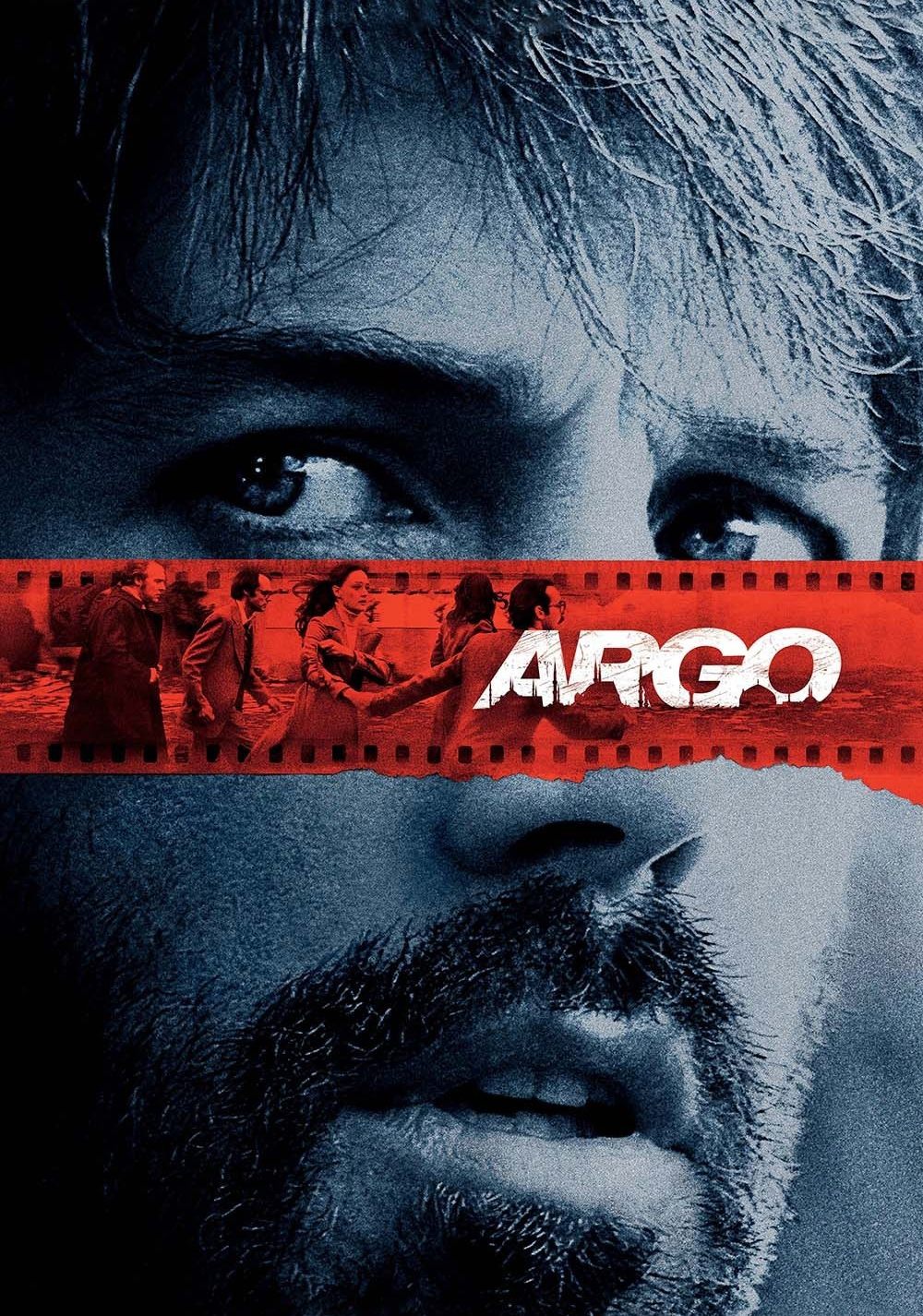
The First-Time Viewing Experience
I remember the first time I sat down to watch Argo; it wasn’t the taut suspense or Hollywood glamour that struck me first, but a creeping sense of unease. Here was a film that pulled me straight into the heart of chaos—a world both foreign and strangely familiar. As the images flickered, grainy news footage merged effortlessly with meticulously reconstructed scenes of late 1970s Tehran. I felt the tension coil in my stomach, not because I knew the outcome (truthfully, I hadn’t read the particulars of the “Canadian Caper”), but because every moment seemed to throb with real, present-day relevance. I couldn’t help but think, “How would I react in a similar situation?” It was as if the film politely asked me to imagine myself trapped among strangers, under threat invisible but omnipresent, desperate for a route home.
For a first-time viewer, this sensation of immersion—bordering on discomfort—is intoxicating. Argo’s authenticity isn’t just in its period details or the cleverness of its reconstructed sets. No, it’s the emotional texture that Ben Affleck (director and star) manages to conjure: the anxiety of being watched, the claustrophobia of closed borders, the bizarre moments when hope and absurdity collide. The pulse of the film, for me, came from the uneasy blending of light and dark—soaring hope set against bleak odds, humor bubbling up through terror. Watching for the first time, I wasn’t asked to memorize political history or possess expertise in geopolitics; instead, I was given an invitation to feel, in real time, the mounting stress and raw courage of those who lived through that chapter.
One of the most striking things, as I recall, was the peculiar way Argo balances its tones so gracefully. I found myself nervously laughing at the outlandish Hollywood subplot—the satirical look at show business feels, in some ways, a tonic to the relentless tension of the real-life crisis. Yet, every comic turn seems shadowed by imminent danger. Was I supposed to be entertained, or made to feel complicit as an observer? That’s the magic of this first viewing. I realized that the film refused to let me settle comfortably in one emotional camp; instead, it nudged me along a path from anxious disbelief to cautious relief, all while keeping me alert and emotionally invested.
Sitting there as the credits rolled, I found I couldn’t shake the film’s aftertaste. It lingered—a blend of awe, nervousness, hope, and outrage. What surprised me most was the immediacy with which Argo communicated its stakes. The logistics of Iranian Revolution-era politics might have been foreign to me, but the experience of fear, longing for safety, and the wild tenacity of resourcefulness? Those were as comprehensible and universal as storytelling itself.
Emotional Moments That Resonate
The second act of Argo brims with moments that, in my experience, never fail to tap into modern anxieties. What stands out in my memory is the harrowing chaos surrounding the storming of the American embassy. I felt my pulse quicken as ordinary life collapsed in minutes, the fevered shouts of the crowd and hurried shuffles of paperwork transforming a quiet diplomatic post into a stage for raw panic. This opening sequence is universally jarring—no context is needed, just a gut reaction to danger and confusion. It instantly reminded me of how rapidly the world can turn upside down, something that resonates just as sharply in our uncertain times.
Later, the film’s acutest emotional tremors came for me during the final act—the airport escape. I believe few cinematic experiences rival the gut-wrenching suspense born from uncertain borders. Each checkpoint, each glance from a suspicious guard, landed like a physical blow. I remember gripping the arms of my chair, heart pounding in my throat, as the characters moved through a landscape where one wrong word or delayed paper could spell disaster. It is here that the film’s facade of control, carefully crafted by Affleck’s deliberate pacing and Matthew O’Neill’s tense cinematography, threatens to unravel. I sensed the terror of being powerless, the helplessness of placing my fate in the hands of strangers, and the desperate hope for deliverance. No matter how many action or heist films I’ve seen, this sequence struck a uniquely human chord—fragility threaded with determination.
Still, what surprised me most were the quieter moments. There’s a scene where the houseguests, huddled together, share a half-hearted toast to hopeless odds. The clink of glasses, with eyes averted and tension unbroken, touched me with its simple honesty. It reminded me how, in the bleakest circumstances, people find ways—however small—to sustain one another. The gallows humor shared among the Hollywood insiders back in California also revealed an undercurrent of compassion and resourcefulness: even when the stakes are life and death, people reach for laughter as a shield.
For all its suspense, I think Argo’s resonance ultimately comes from these emotional dualities. On one hand, I found myself exhilarated by human cleverness—the audacity of using Hollywood deception to mask a rescue operation. On the other, I was sobered by the film’s refusal to let me forget the cost of such stakes. The final scene, with its sense of exhausted, bittersweet relief, left me reflecting on the invisible webs connecting international headlines to personal risk and sacrifice. In a world where empathy often feels scarce, I found Argo to be a reminder that history is not simply grand events but the trembling choices of real individuals, pressed by circumstance to become something more than they dreamed possible.
How to Appreciate This Film Without Prior Knowledge
Argo is a work that, in my view, asks very little of its audience in terms of homework or background reading. As someone who entered my first viewing largely ignorant of the intricacies of the Iranian Revolution or the diplomatic tensions surrounding 1979, I was relieved to discover that the film’s beating heart is not factual minutiae, but empathy. If you worry that you need a grasp of Middle Eastern politics or the fine print of historical timelines, trust me—you don’t.
What opens the door, I found, is an ability—or simply a willingness—to imagine oneself in another’s shoes. Unlike some political thrillers, which might bog down viewers in jargon or procedural labyrinths, Argo cuts straight to the marrow of human experience: fear, ingenuity, and solidarity. The historical context, while important, serves as a vivid backdrop rather than a barrier. Every gesture of fear, every whispered conversation, translates instantly to anyone who has ever felt vulnerable or out of place. So much of what’s memorable is communicated visually—the bustling hostility of the streets, the dim shadows of secret meetings, the looming threat that pervades the “safe” house. These aren’t details that require a textbook, only an open mind and, perhaps, a willingness to feel unsettled.
I actually found that not knowing every facet of the hostages’ plight lent my viewing even more immediacy. Without a safety net of spoiler knowledge, each twist landed with genuine force—the hope, the despair, the flashes of unexpected humor. If anything, my ignorance forced me to participate more actively; I was invested not just in what happened, but in why each choice mattered. When cultural references or political terms floated past, I didn’t feel excluded; rather, the urgency of the characters’ predicament swept me along. My empathy was enlisted entirely by the clarity with which the film renders both terror and courage.
Even the film’s Hollywood subplot, with its winking cynicism and meta-commentary on fiction versus reality, is accessible. The absurd premise—that a fake movie could mask a real-life rescue—is delivered with such gusto that all I needed was the willingness to play along, to suspend disbelief and embrace the film’s audacious creativity. If you find yourself wondering, “Am I missing something?” relax. What matters is not a full grasp of every name and date, but the visceral sensation of stakes, the recognition of human fragility and wit under pressure.
Watching Argo for the first time, I discovered how powerful it can be to let go of the fear of “not knowing enough.” The film’s emotional clarity, its careful layering of hope and danger, produced a kind of earned engagement that felt deeply satisfying. Whether you’re a seasoned cinephile or approaching the classics for the first time, Argo requires only your willingness to empathize and to let the story lead you, uncertain yet unguarded, through the shadows of recent history.
Who This Film Is Best Suited For
- Those who savor suspense and emotional realism in storytelling
- Viewers interested in true-life stories that blend human drama with political stakes
- Anyone who enjoys films that blur the line between comedy and tension, offering insight into both history and the human condition
A Beginner’s Final Recommendation
If I could travel back and offer guidance to my past self, nervously eyeing Argo’s running time and wondering if I’d be out of my depth, I’d say: Be brave, but above all, be open. This is a film that rewards emotional honesty far more than expertise in current events or historical trivia. I was caught off guard not by the plot twists or the clever Hollywood ruses, but by the ways the film asks us to feel—to navigate compassion, fear, and the strange resilience that binds strangers together during disaster.
Don’t worry about missing references or feeling outpaced by the pace of history. Find comfort in knowing that the filmmakers want you by their side, not above or behind them. I was surprised by how easily I was swept into the urgency of the escape, and how even the moments of comic relief—so outlandish and improbable—served as lifelines rather than distractions. Each character’s fear, each glimmer of courage, gave me the sense that every small choice mattered, both on the screen and in the quiet theater of my own heart.
For anyone choosing Argo as a first foray into modern classics, my advice is to let yourself feel vulnerable. This is a film for those unafraid to be moved—by tension, by hope, by the sheer audacity of human creativity in the face of impossible odds. Whether you come for the suspense, the history, or the sly hints of Hollywood satire, you’ll walk away with more than just a story; you’ll leave with the memory of how it felt to be part of something urgent, unpredictable, and deeply, humanly real. If you trust in your own reactions and allow the film to surprise you, you’ll find that the doors to classic cinema can open wide, bringing you face-to-face with the enduring power of storytelling.
To understand whether timeless appeal still resonates today, modern reassessments are worth exploring.
🎬 Check out today's best-selling movies on Amazon!
View Deals on Amazon