
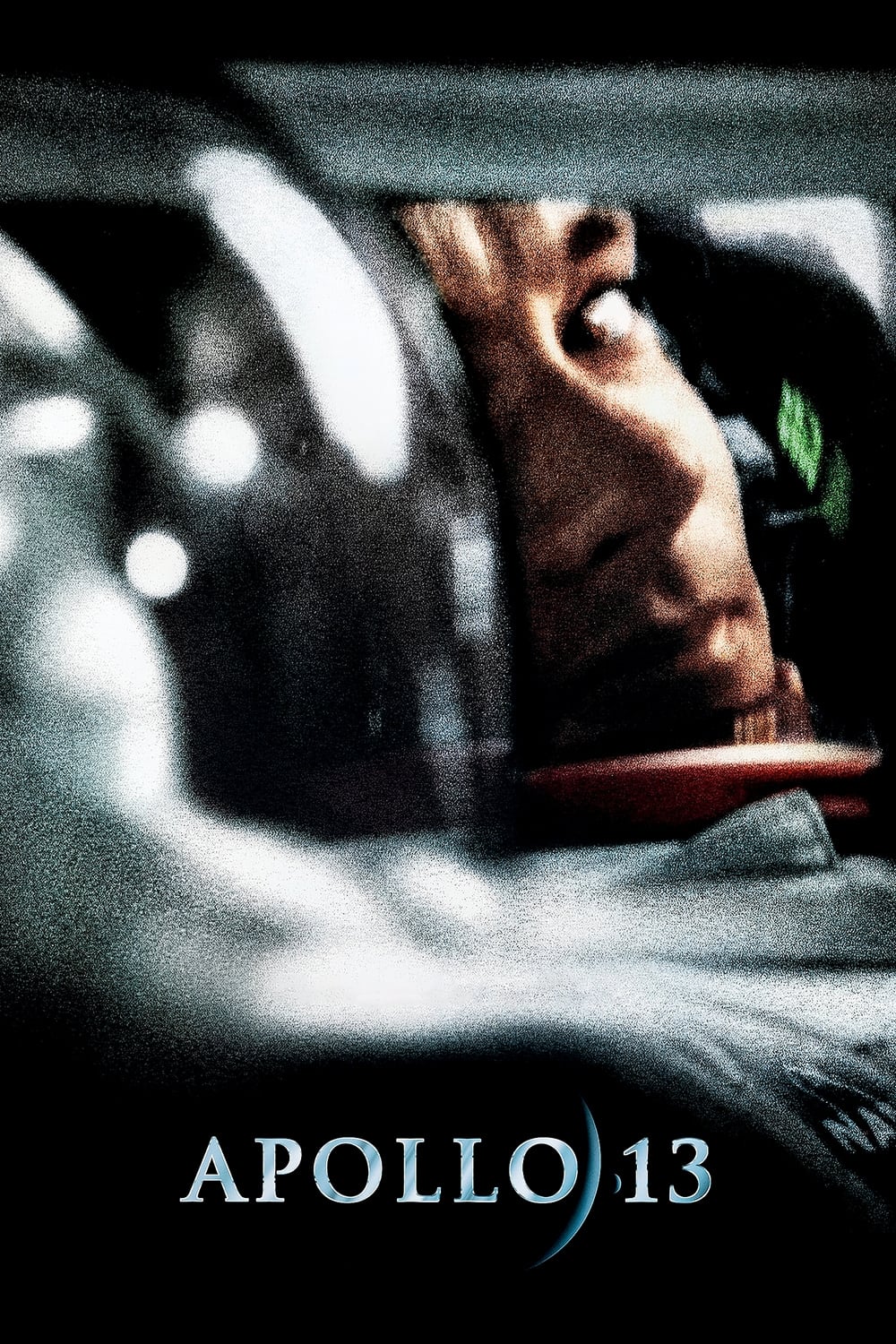
Why This Film Is Beginner-Friendly
I’ll never forget my first time watching Apollo 13. I approached it feeling anxious about classic films, expecting heavy jargon, slow pacing, or distant storytelling that would leave me struggling to connect. What I discovered, however, was an experience that invited me right in—no specialized film knowledge required. For anyone just beginning their journey into classic cinema, this film feels remarkably approachable. Maybe it’s the way the story draws on real-life events, making it familiar even if you don’t already know about the Apollo missions. Or maybe it’s the energetic performances by Tom Hanks, Kevin Bacon, and the rest of the cast—faces and acting styles that are genuinely easy to relate to, even if the story is set in the 1970s.
What surprised me was how the film blends historical drama with a sense of suspense that I usually expect from much more recent movies. I never felt left out or confused, since the dialogue didn’t lean on heavy-handed space jargon or technical talk. When tricky concepts came up, the characters often explained them in a way I could follow. The movie finds its heart in family connections and teamwork, especially when the astronauts communicate with their loved ones on Earth, and the ground crew scrambles to rescue them. For someone new to older films, that emphasis on emotions and relationships offers a surprisingly warm entry point. I noticed that, although Apollo 13 counts as a classic nowadays, it feels modern in its pacing and style, so it’s much less intimidating than many earlier films with slower rhythms or older language.
To me, Apollo 13 is welcoming not just because of its story, but because of its craftsmanship. The film strikes a balance: it draws from the history and technical wonder of the space program without expecting you to be an expert, and it wraps everything in tension and hope that anyone can understand. I think it stands out as a great first step into classic cinema if you want a movie that won’t overwhelm or alienate—even if you’ve never watched a film made before the 2000s.
What to Know Before Watching
- Some of the technology, costumes, and attitudes come straight from the late 1960s and 1990s, which might feel dated if you’re used to present-day space adventures. I noticed rotary phones, chunky computers, and mission control panels that look more analog than digital—but this creates a real sense of atmosphere.
- The pacing feels deliberate compared to the breakneck speed of many recent movies. Important moments get time to breathe; you’ll notice the tension can simmer for a while before exploding into action. For me, this felt refreshing once I settled in, but it took a few minutes to adjust.
- You might come expecting explosive disaster sequences, but I found Apollo 13’s thrills rooted more in problem-solving and teamwork than in fiery spectacle. There are edge-of-your-seat moments, but most of the suspense comes from watching the crew and ground staff figure out how to survive—a subtle but rewarding kind of excitement.
- Ron Howard directs with an eye for drama over dry facts. I expected a documentary tone at first but quickly realized the film’s priority is connection and emotion. This makes it easier to follow for newcomers; technical terms rarely go unexplained, and the film favors plain English whenever real-life astronauts face something confusing.
- The film avoids cynicism and instead highlights hope, cooperation, and modest heroism. If you’re used to stories where everyone’s a maverick or a rebel, the collaborative spirit here might surprise you—or even feel a little unfamiliar at first. I came to appreciate this optimistic tone, and I think it sets Apollo 13 apart from many films, classic or modern.
Key Things to Pay Attention To
Every time I revisit Apollo 13, I’m reminded of how much the film rewards attentive watching, even on a first viewing. For anyone stepping into the world of classic cinema, I’d recommend focusing on the film’s human core before getting swept up in its technical achievements. Notice how the astronauts, confined in their tiny spacecraft, rely not just on their training but on one another’s faith and determination. Their conversations, often conducted quietly in the cramped, flickering light of the lunar module, reveal more about their personalities and their fears than any formal introduction.
I find it powerful that the film doesn’t paint its characters as superhuman. Instead, it emphasizes the tension that comes when ordinary people are thrown into extraordinary circumstances. Watching how Jim Lovell, Fred Haise, and Jack Swigert navigate arguments, exhaustion, and uncertainty helped me connect to them as people, not just movie heroes. This focus on authentic emotional responses—panic, frustration, humor, and hope—stands out in every scene and makes the suspense feel meaningful.
Another detail that jumped out at me was the role of teamwork. It’s easy to get lost in the dazzling shots of space or the intricate procedures the characters follow, but what really moved me was the sense of community. I found myself drawn to the ground control team led by Gene Kranz (played memorably by Ed Harris), watching how they problem-solve under immense pressure. Their scenes show the value of listening, collaboration, and resourcefulness. When their creative, sometimes desperate solutions work—using everyday materials to solve a life-threatening crisis—I felt a deep sense of relief and respect.
I’d suggest keeping an eye out for the film’s use of sound and silence. Moments where the background hum disappears, when the only thing you hear is an astronaut’s ragged breath, drove home the isolation and vulnerability of space. I found these quiet moments lingered with me hours after the movie ended.
Visually, I was struck by how Ron Howard captures both the grandeur and danger of space without relying on flashy special effects. The realism of moments like zero-gravity scenes (where the actors actually floated thanks to clever filmmaking) made space travel seem tangible, but also perilous. If you pay attention to how the sets, lighting, and camera movements create tension and intimacy—even in a story with such a huge scale—you’ll gain a richer appreciation for classic moviemaking skills that haven’t gone out of style.
Common Misunderstandings for First-Time Viewers
- Misunderstanding 1 – Some viewers expect Apollo 13 to be a full-throttle action or disaster movie, full of explosions and fiery set-pieces. I learned pretty fast that while there’s suspense and visual excitement, most of the thrills come from quiet decisions and tense problem-solving, not nonstop spectacle. It’s more about emotional tension and hope than dramatic collisions.
- Misunderstanding 2 – I often hear friends assume that since it’s a “classic,” the acting will feel stiff or old-fashioned. In my experience, the performances are deeply natural and relatable. Tom Hanks, Bill Paxton, and Kevin Bacon all bring heart, humor, and vulnerability to their roles. There’s nothing distant about their work here—it feels genuinely heartfelt, not theatrical or dated.
- Misunderstanding 3 – A first impression might be that you need a background in space history or science to enjoy Apollo 13. From my perspective, this couldn’t be further from the truth. The film is built to welcome viewers of every knowledge level. Explanations are woven into the dialogue without being patronizing. I never once felt lost, and honestly, I found myself more curious about space after the credits rolled.
Is This a Good Starting Point for Classic Cinema?
Reflecting on my own movie-watching journey, Apollo 13 stands out as one of the friendliest classic films I’ve encountered. When I started exploring older movies, I worried about feeling left out—about not understanding references or being confused by outdated attitudes and styles. This film surprised me by offering a blend of familiar elements and new perspectives, packaged in a way that kept me engaged from start to finish. There’s a warmth and immediacy to Ron Howard’s direction that makes even the highest stakes feel intimate and understandable. The triumphant moments ring true, and the setbacks carry real weight. I found myself rooting for the entire cast, both in space and on the ground, not because the film told me to—but because the storytelling made me care.
I genuinely believe Apollo 13 works beautifully as a beginner’s entryway to classic cinema. It’s approachable and visually compelling, and between the moments of suspense lie deeply emotional, universally relatable beats. There’s nothing intimidating or inaccessible about it. In fact, after watching, I felt inspired to keep exploring—both the real history behind these events and other classic films I might previously have avoided. If you’re curious but hesitant, if you’re looking for a movie that bridges the gap between modern blockbusters and what people call “classics,” I can think of no better place to start than right here. You’ll walk away not just entertained, but perhaps a little more open to the vast and varied world of classic movies, just like I did.
If you’re wondering how this film compares to others that have stood the test of time, these may help.
🎬 Check out today's best-selling movies on Amazon!
View Deals on Amazon