
The First-Time Viewing Experience
I’ll never forget my first time seeing Apocalypse Now. I went in armed only with the film’s enormous reputation—those whispered legacies of chaos, artistry, and controversy. When the screen flickered to life and that first haunting chord of “The End” spilled across the darkness, I found myself in the grip of something strangely hypnotic. There is a rawness to this film that, even years later, I see reflected in new viewers. I remember being shocked by how quickly the atmosphere wrapped around me, almost smothering, as if I had waded into a fever dream with no clear map to guide me home. With each frame, I felt equally a tourist and an interloper, unsure whether I was intruding on something sacred or being welcomed into a clandestine fraternity of people who have stared too long at the abyss.
I sense many first-time viewers feel the same—immediate awe, a flare of discomfort, and a lingering sense that they’re watching something far more substantial than simple entertainment. I wasn’t always sure I was ready for what the movie was showing me. There’s an anxious anticipation that intensifies as the boat moves upriver, a sense that the next moment could topple me from fascination to outright overwhelm. Even now, when I talk with others experiencing Apocalypse Now for the first time, they describe being physically drawn in, their eyes glued to the audacious compositions and nightmarish landscapes. It’s less like seeing a film and more like participating in a ceremony that both seduces and disorients, exposing parts of myself I’d never quite examined.
Seeing Apocalypse Now the first time is to tumble headlong into a world you can’t control—a cinematic labyrinth that refuses to let you simply watch and leave. For me, it was almost destabilizing to be so swept up, simultaneously in awe of the director’s bravado and quietly disturbed by how the story’s fever bristled through my own bones. I’ve realized over the years that few films reach this level of immersive intensity, and that’s precisely what makes it unforgettable for newcomers. Each moment pulses with a strange, electric tension, as if the story—and the world it suggests—is perpetually on the verge of coming apart at the seams. Even if you know nothing about the Vietnam War or hadn’t encountered Joseph Conrad’s Heart of Darkness, the sensation is unmistakable: it’s as though you’re being invited to lose your bearings, your certainty, and your sense of safety, if only for a few harrowing hours.
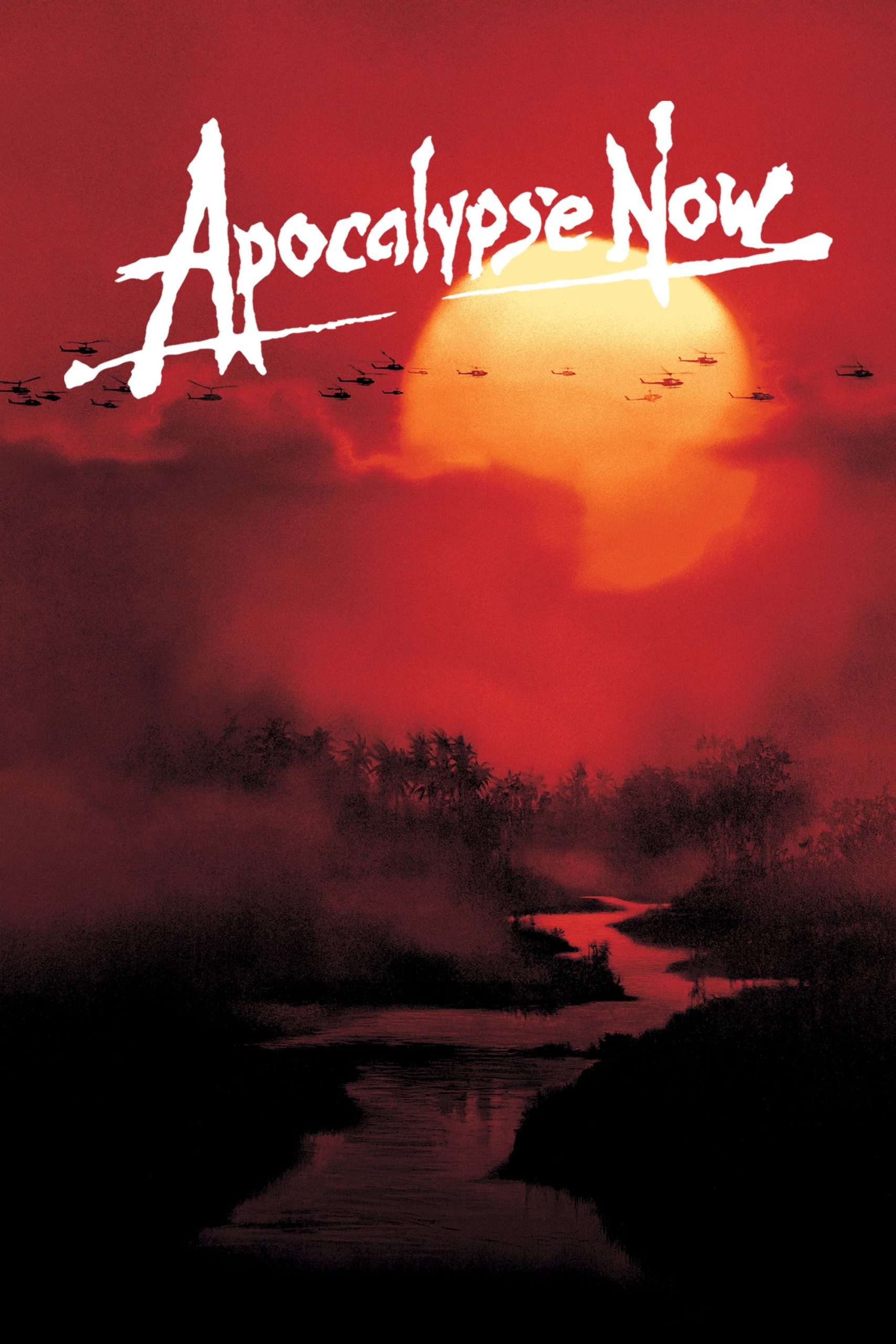
The film’s visuals, too, blindside many new viewers. I remember feeling mesmerized and, occasionally, deeply unsettled by the hallucinatory glow and the dense, oppressive jungles that seem to breathe and watch. There’s a tactility to the sound—the insect drone, the roar of helicopters, the weirdly distant music—that pulled me further inside until I felt I’d become a passenger on Willard’s doomed odyssey. When it finally ended, I was left in an eerie quiet, unable to piece together all that I’d seen and felt. Speaking with friends who have since taken their own first journeys into the film, they echo that same breathless confusion—the sense that something sacred and shattering has just transpired.
Emotional Moments That Resonate
Despite the film’s reputation for grand gestures and bravura filmmaking, what endures for me are its tiny, silent shocks—those moments whose emotional weight still takes my breath away. One of the most piercing early moments comes with the helicopter attack set to the pulse of “Ride of the Valkyries.” At the time, I was stunned by the juxtaposition of bombastic music and the dizzying violence. But it’s the subtle horror in the soldiers’ faces as they approach a civilian village, the look in their eyes as bravado slips into dread, that most gripped me. I could see the innocence leaving them in real time—something I don’t have to have lived through a war to understand. That balance between spectacle and private heartbreak struck me, and I find that new viewers today are just as rocked by those sudden surges of vulnerability and humanity among the chaos.
There’s another moment, a much quieter one, that still gnaws at me whenever I revisit the film. When Chef and Willard cautiously explore the jungle and stumble upon a tiger, the shock is both humorous and primal. But the scene is more than a jump scare—it’s a microcosm of the entire journey. I remember how palpable Chef’s fear was, his breakdown an honest reaction to the madness pressing in on all sides. For viewers who haven’t encountered war movies before, this scene is jarringly intimate, a crack in the armor that Coppola so carefully constructs. Even years later, that frightened plea for safety echoes in my bones—and I know from conversations with first-time viewers that it’s this vulnerability that lingers long after the film ends, a reminder that courage and terror ride side by side.
If I had to pick the moment that most devastates me, it’s the final confrontation with Kurtz. Brando’s performance is not only legend, but emotionally radioactive—his presence so intense that it feels dangerous to watch. The way the film slows almost to a standstill, every syllable chewed and spat out like a cipher, made me feel both implicated and lost. New viewers have told me that they, too, feel shaken by these scenes. The raw humanity, the sense that everyone—Kurtz, Willard, even the camera—might at any moment come undone, makes that final stretch feel like a psychic gauntlet more than any literal war story.
And still, there are flashes of unexpected beauty: the phosphorescent spray over the river at night, the haunting play of sun and shadow in those early hotel scenes, the lone Playboy Bunny twirling in a desperate, strangely sweet attempt to stave off the madness. These moments swell with such longing and horror that, when I first saw them, I felt unmoored. When modern viewers describe which moments linger, it’s often these—the jarring poetry of images, the sudden sobs of quiet humanity against despair. Apocalypse Now meets viewers in the depths of their own uncertainty, and that’s an emotional resonance that no passage of time can weaken.
How to Appreciate This Film Without Prior Knowledge
I once wondered if I’d miss some deeper meaning in Apocalypse Now because I didn’t know the “right” history, or hadn’t meticulously studied the Vietnam War or its politics. In truth, none of that is needed to find yourself profoundly moved by the film’s force. If anything, coming to the film with an open heart and an unburdened mind only sharpens its impact. I had never read Heart of Darkness when I first sat down in that dark room, nor could I recite the finer points of 1970s American filmmaking. All I really needed was curiosity and a willingness to be challenged by something I couldn’t easily explain away.
What I quickly discovered is that Apocalypse Now doesn’t require expertise—it’s not a test, and there’s no wrong way to react. The film operates on a dreamlike logic, and the puzzle it presents isn’t really meant to be solved in a traditional sense. Some of the most powerful, trembling moments came simply from surrendering to the images and sounds, letting each strange encounter and eerie tableau settle in my mind for a while. Watching the film was like stepping into a room where the rules have been rewritten, and rather than trying to decode everything, I found myself learning to listen—to the nervous silences, the scraps of dialogue, and the swelling undercurrents of doubt that run through every scene. I try to reassure new friends now: the film rewards emotional honesty far more than intellectual certainty.
I also came to see that every person brings their own associations, fears, and wonder to Apocalypse Now. My own confusion, my sympathy for the weary soldiers, and my awe at the scale of Coppola’s vision felt just as valid as anything written in textbooks. The film doesn’t demand reverence—it invites participation. There’s something liberating about realizing that you can love parts of it, be disturbed by others, or even laugh nervously in places you least expect. What matters most is the response it stirs up inside you, not the trivia you carry in with you. I’ve convinced many newcomers that not “getting” it all is not only permissible, but part of the magic. Upon first viewing, the film is best approached like poetry—meant to be lived through, wrestled with, and returned to in your own time.
Who This Film Is Best Suited For
- Curious souls who crave movies that challenge their perspective and don’t offer tidy answers
- Viewers drawn to visually arresting, emotionally intense journeys where style is inseparable from substance
- Anyone willing to be unsettled or transformed by a story that deliberately blurs the boundary between inner and outer chaos
A Beginner’s Final Recommendation
If you’re standing hesitantly at the threshold of Apocalypse Now, uncertain whether you’re ready for what waits inside, I’ve been there myself. I urge you not to listen too closely to rumors of inscrutability or heaviness—the film’s grandeur and disquiet, while legendary, are also its greatest gifts. My first time watching it, I was terrified that I might be left behind, that I’d somehow miss the point, but what Apocalypse Now taught me is that participation—more than mastery—matters most. Each time I watch, I find new corners of myself illuminated, new questions surfacing, and I know that for every first-time viewer, the experience will be both personal and profound.
There’s no preflight checklist required, no quiz awaiting you at the end. Bring your confusion, bring your resistance, or even your skepticism. As I’ve told friends and loved ones, the best way to engage with this towering work is honestly, allowing yourself to be awed, upset, or even exhausted if that’s what the story stirs up. The raw impact of Apocalypse Now has not dulled with time—in fact, for me and so many new viewers, its uncompromising vision seems only to sharpen with every new viewing generation. I hope you’ll permit yourself the delight and discomfort of being swept up, and more than that, the pride in having endured a cinematic journey that few works can rival. If you give yourself to it, unapologetically, I suspect you’ll walk away changed in ways that are impossible to predict and impossible to forget. Your first viewing is not a final statement, but the first step in a lifelong conversation with one of cinema’s wildest, most enduring mysteries. The river, as I’ve learned, is always different the next time you enter.
To understand whether timeless appeal still resonates today, modern reassessments are worth exploring.
🎬 Check out today's best-selling movies on Amazon!
View Deals on Amazon