Why This Film Is Beginner-Friendly
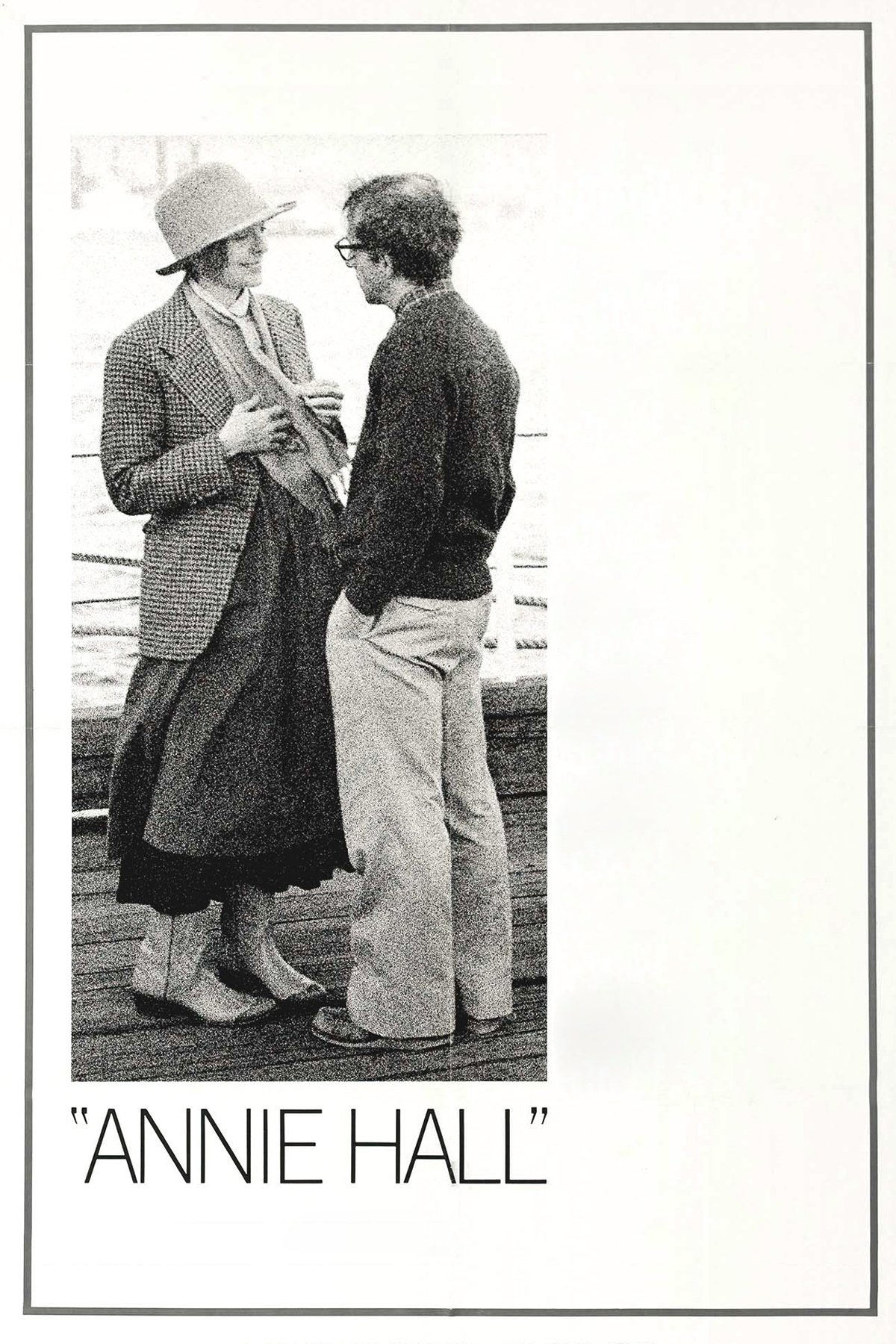
I’ll never forget the first time I watched this movie, not as a film expert but as someone simply eager to “get” why certain movies are treasured across generations. Right away, I noticed that it didn’t “feel” old in the intimidating way some classic films do. The humor felt surprisingly fresh, the settings looked familiar enough, and the characters actually reminded me of people I know. For me, this made the film really approachable—none of that distance I sometimes feel with black-and-white films or silent movies. The core story is about relationships and figuring ourselves out, which never goes out of style. Even though the movie was released in 1977, I felt like it could have happened in any era. The main characters talk and interact in ways I recognized from my own experiences, and the movie’s casual, almost conversational tone helped me relax into its world. I didn’t need to know film history or cinematic jargon. I could just enjoy the back-and-forth between two quirky people trying, and failing, to make something work. That’s why I find it such a welcoming entry point for anyone hoping to explore the classic film landscape for the first time.
What to Know Before Watching
- While the movie is from 1977, I find that it handles its place in time with an easygoing nostalgia. You’ll spot fashion, technology, and attitudes that are definitely of that era—rotary phones, bell bottoms, typewriters, and all. These aren’t just set dressing; for me, they paint a vivid portrait of the time, but you don’t have to understand every reference. Occasionally, someone will mention a singer or comedian from decades ago, but I’ve discovered those moments mostly add flavor, not confusion.
- I’ve noticed that some first-timers are surprised by the movie’s pace. Today’s films often move so quickly, zipping from scene to scene with barely a pause. Here, the pacing encourages you to slow down and really sit with the characters. Scenes sometimes linger on dialogue, and not everything is resolved in a neat, action-packed way. If you find yourself wondering, “Isn’t something supposed to happen?”, that’s normal. In my experience, the small emotional shifts and awkward pauses are very much the point.
- There are playful, almost surreal little touches scattered throughout that might take you by surprise. The film sometimes breaks the fourth wall, meaning characters will talk to the audience directly, or the visuals will depart from reality for a moment of comic imagination. The first time I saw it, I wasn’t expecting these flourishes—like subtitled inner thoughts or animated dream sequences—but I quickly came to enjoy them as signs that the movie doesn’t take itself too seriously, even when the characters feel completely serious about their lives.
Key Things to Pay Attention To
Whenever I re-watch this film, I notice it rewards my attention to the tiniest details of human interaction. I try not to get sidetracked by plot points, because the real joy, for me, is in how the main characters relate to each other. Their body language—how they stand together or apart, the way they use humor to cover up awkwardness—says almost as much as their words. I recommend keeping an eye on their facial expressions and pauses. You’ll often find the heart of a scene in a sigh, a hesitant glance, or a nervous chuckle.
I’ve also come to appreciate the film’s playful structure. At first, I was taken aback by how the story skips back and forth in time, not always following a straight line. Instead of laying out a chronological story, the moments are pieced together more like memories or anecdotes. For a beginner, this might feel disorienting, but I’ve found it makes everything feel more honest and real. Don’t stress about keeping every event perfectly organized in your head. The movie is more about moods, moments, and realizations than solving a mystery or following a cause-and-effect chain.
Lastly, I find a lot of the movie’s charm in its observations about love, failure, and self-doubt. Even if the pop culture references sometimes go over my head, the emotional honesty lands every time. When the characters talk about their fears, make silly jokes, or reveal their quirks, I love noticing how much those moments still ring true today. You don’t need to “get” every joke or cultural nod; the big feelings are what make it lasting and endearing to me.
Common Misunderstandings for First-Time Viewers
- Believing the humor is outdated – I’ll admit, I worried that jokes from the 1970s would fall flat or be hard to relate to. In reality, most of the humor is grounded in awkwardness, timing, and self-awareness. Even when I didn’t catch a reference, I found myself smiling at the sheer humanity of it all. The comic timing is something that hasn’t aged at all if you let yourself just enjoy the characters riffing on their own flaws.
- Thinking the plot is “thin” – The film isn’t trying to wow you with big twists or dramatic stakes. That expectation tripped me up at first. Instead, I realized it’s about observing all the quirky, funny, and sometimes sad ways people try to connect. It’s less about what happens next, and more about how small moments add up to something meaningful. Once I let go of waiting for a grand revelation, I began to appreciate the gentle honesty of the storytelling.
- Assuming only romantics will connect – I once thought this movie would only speak to people obsessed with love stories. In truth, while romance is its framework, the film is just as much about self-acceptance, looking back at your life, and realizing how little control we have over feelings. I grew to see it as a film about everyone: anyone who’s ever stumbled through a friendship or wished they could say the perfect thing at the right time. If you’ve ever doubted yourself or wondered about a past relationship, this story has insights for you.
Is This a Good Starting Point for Classic Cinema?
If I had to recommend just one older film to someone feeling hesitant about diving into classic movies, this would be high on my list. What stands out to me is how easy it is to recognize yourself or someone you know in these characters. There’s a warmth alongside the wit—an invitation to laugh at life’s awkwardness rather than feeling overwhelmed by the “classic” label. I don’t think you need a background in film or a taste for nostalgia to have a good time here. The film’s modern sensibility and emotional honesty make it a friendly introduction; it opens the door to other timeless movies by showing that the past isn’t as distant as we sometimes imagine.
What sticks with me is the vulnerability and imperfection at the heart of the story. Nobody here is impossibly cool or untouchably glamorous. I see regular people facing everyday puzzles, sometimes making a mess, sometimes stumbling into happiness for a while. That kind of storytelling feels real and gives me the courage to try other classic films that might seem intimidating at first glance. In my experience, once you’ve spent time with these characters, the idea of exploring more films from decades past seems less daunting and much more exciting.
If you’re wondering how this film compares to others that have stood the test of time, these may help.
🎬 Check out today's best-selling movies on Amazon!
View Deals on Amazon