
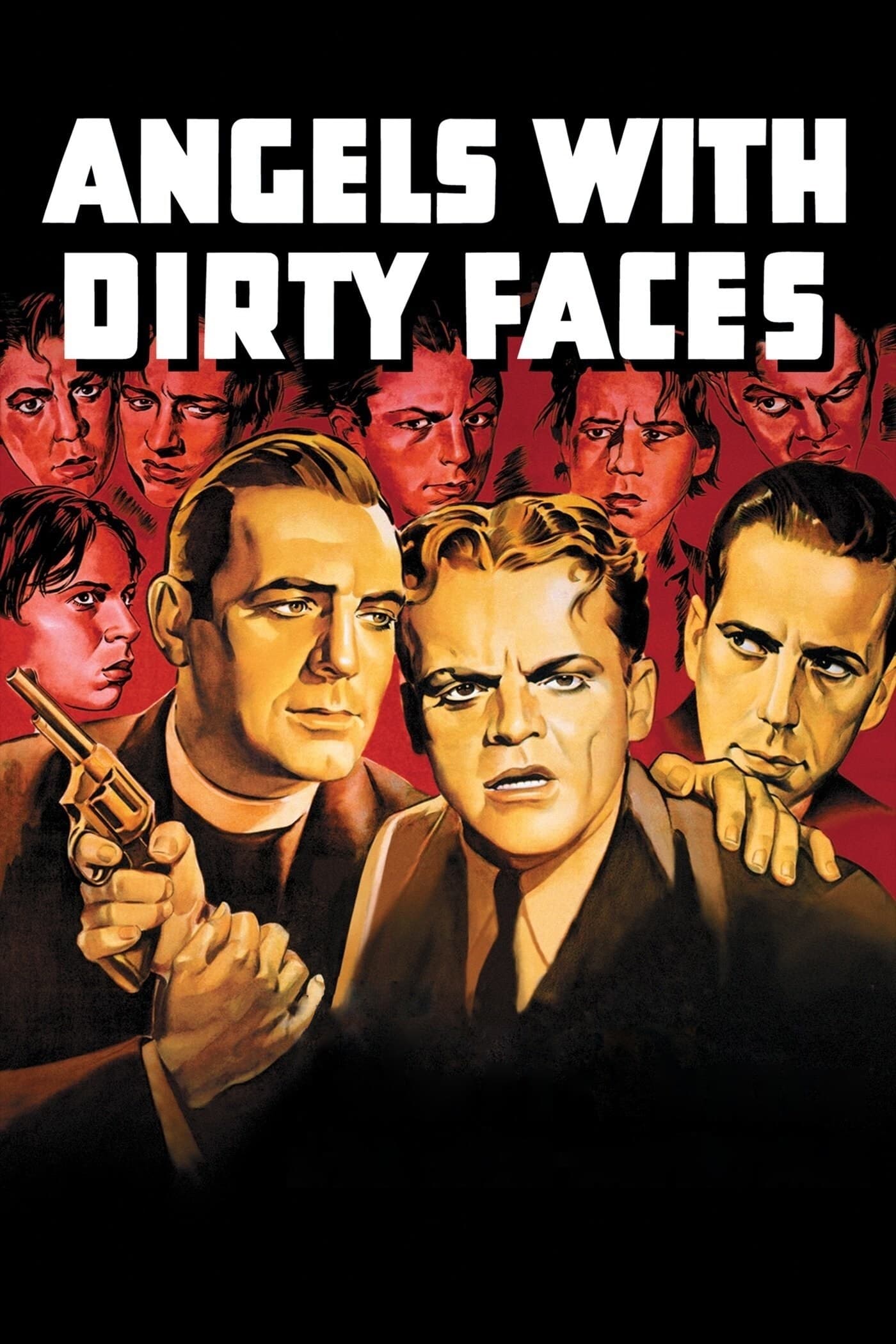
The First-Time Viewing Experience
When I first settled in to watch Angels with Dirty Faces, I had a hunch I was about to encounter something more than a typical old crime drama flick. What struck me immediately was a sense of suspense, like stepping into a black-and-white cityscape you recognize from distant dreams but have never really wandered. The sharp glare of city streetlights on rain-slicked cobblestones, the restless energy of those tough-talking characters—the atmosphere made me feel both a little like an outsider and uncomfortably right at home. As someone raised on modern, rapid-fire films, I wondered if I’d connect with a movie from 1938. Yet, within the film’s very first minutes, I felt a genuine curiosity pulling me in. I noticed myself trying to catch every nuance, every flicker in the actors’ eyes, and marveling at how a story from nearly a century ago could feel eerily current and alive.
Maybe it was the iconic presence of James Cagney—his cocky stride and glimmer of vulnerability just beneath the surface—or maybe it was the way the world of the film hovered between hope and doom. What I didn’t expect was how the film’s gritty realism broke through my assumptions of what “classic Hollywood” meant. Instead of distancing me, the old-school slang and vintage setting gave me a sense of peering into a real, breathing neighborhood with its own hopes, sins, and second chances. Every line seemed to hit with a weight I rarely encounter in contemporary crime dramas, and as the plot unfolded, I could feel my own judgement shifting. By the halfway mark, the black-and-white imagery no longer felt dated at all—it felt mythic. I was surprised by how much of myself I saw in the restless, unsatisfied characters: that universal longing to do good, the fear of falling short, and the blurry moral lines between survival and sin.
As I watched, there was a strong sense that the film had its arms around me, confronting me with big questions without ever lecturing. Scenes crackled with tension, making it impossible not to invest in every glance and whisper. The emotional stakes felt so high that even when the plot slipped into the melodramatic, my own pulse seemed to race alongside the characters’. That’s quite an accomplishment for a film nearing its centennial—its power comes not from relevance alone, but from an odd, unforced intimacy with its viewers. Watching Angels with Dirty Faces for the first time, I realized there’s something inescapably vital about a story that invites us not just to observe, but to interrogate our instincts, our capacity for mercy, and the stories we tell ourselves about redemption.
Emotional Moments That Resonate
If I had to point to moments that etched themselves on my viewing experience, I’d have to start with scenes where Cagney’s Rocky Sullivan lets his composure slip. His tough-guy bravado is captivating, but when the mask drops—sometimes in just a haunted look or the painful silence stretching between words—I felt a surprising wave of empathy and bewilderment. There’s a conviction in his performance that drew me in, not to glorify his choices, but to invite me to imagine carrying the weight of every wrong turn and every veneration from the neighborhood boys who idolize him. The dynamic between Rocky and the group of street kids felt particularly contemporary to me. The yearning for a role model, the pull of admiration mixed with the devastating consequences of hero worship—these beat at the heart of the film in a way that feels deeply relevant, as potent today as it must have been in 1938.
It’s impossible for me to forget the confessional moments between Rocky and Father Jerry, the friend from his childhood who took a different path. Their conversations bristled with both affection and regret—two men who intimately know each other’s faults and virtues, yet are forever separated by the choices they’ve made. I caught myself wondering what I might do if placed in either man’s shoes. It’s one thing to say you believe in the possibility of redemption, to wax philosophical about doing the right thing; it’s quite another to watch characters confront these choices in real time, stripped of sentimentality. These are the scenes that made me feel vulnerable as a viewer—forcing me to reflect on my own values and shortcomings.
But if I had to name the sequence that truly lingered after the credits rolled, it would be the film’s climax. Watching it, I could almost hear my own breathing, so acutely did I feel the moral stakes at play. The rawness of those final moments, watching as Rocky faces his fate with a defiant mask and then the wall-shattering collapse of his pride, left me shaken. Even the knowledge that I was watching movie history in one of its most famous scenes didn’t prepare me for how personal it would feel. The moral ambiguity, the anguish of wanting to be both admired and redeemed, and the last-minute appeal for the neighborhood boys’ betterment—all of this fused into a single, wrenching emotional punch. I think that’s why so many viewers remember this film for decades. It’s not just the drama—it’s the invitation to question the purpose behind our actions, the image we leave behind, and the small, crucial moments of grace or cowardice that ultimately define us.
How to Appreciate This Film Without Prior Knowledge
I know what it’s like to see a title hailed as a “classic” and worry that I’ll miss out if I don’t already love the genre or know the actors. For anyone hesitant about watching Angels with Dirty Faces without a guidebook, I can honestly say that you don’t need any secret password or deep knowledge to connect with this movie. My own first viewing was full of uncertainties—I wondered if I’d get lost in the old-fashioned dialogue or be put off by references that meant little to me. But what surprised me was how, even decades removed from the era, the film’s emotional clarity stood on its own. The characters’ dilemmas don’t require historical context to land; they’re as relatable to me today as they must have been to anyone in the 1930s.
If you’re worried about “missing” the film’s deeper messages, I’d urge you to simply let yourself be present. I found that the movie gently teaches you how to watch it: it isn’t about memorizing period slang or catching the cameos of famous actors, but about opening up to a set of universal questions. Should we care about people who’ve gone wrong—even if they don’t want our help? Are we defined by what others believe about us, or by what we do in our most private moments? The beauty is in letting these questions float to the surface naturally. If there’s anything you need to know, the film provides it in a way that feels organic rather than didactic. I never found myself scrambling to “keep up,” and I think that’s by design—the movie’s moral puzzles are more about feeling than about intellectual analysis.
One trick that helped me embrace the film on its own terms was to focus less on historical details and more on the actors’ faces, their tone of voice, and the emotional gravity of the dialogue. Even through the black-and-white visuals, every scene brims with humanity, and it’s impossible not to react. I wasn’t prepared for how modern some themes would feel—or how easily I’d begin rooting for characters whose actions I couldn’t condone. The film invited me to judge, forgive, and hope, all in a span of five minutes. And along the way, I didn’t need to know anything about Prohibition, old New York, or even James Cagney himself to care about what would happen next. That’s a rare feat, and one that makes this a perfect entry point for someone just starting their exploration of classic cinema.
Who This Film Is Best Suited For
- Those who crave character-driven stories with rich moral complexity
- Anyone curious about films that shaped the foundations of American crime cinema
- Viewers looking for deeply felt performances that linger long after the credits
A Beginner’s Final Recommendation
If you’re standing at the edge of classic film and wondering whether to take the leap with Angels with Dirty Faces, I’d offer nothing but encouragement. My own experience taught me that the emotional language of this film is universal. Whether you’re an avid filmgoer or a newcomer, there’s space inside this story for your own doubts and hopes. I won’t pretend the world it pictures is always comfortable—or that its moral quandaries are simple. But what made my first viewing unforgettable was the film’s sincere invitation: it doesn’t demand expertise or nostalgia, just a willingness to feel deeply and reflect honestly. Even if you arrive knowing nothing about 1930s Hollywood, you will leave carrying the weight of these questions, challenged and moved by characters who refuse easy judgment.
Diving into Angels with Dirty Faces isn’t about unlocking an old relic—it’s about joining a conversation that’s still alive, one that welcomes your impressions and your heart exactly as they are. For me, that conversation hasn’t ended since the day I watched; I’ve found myself returning to its boldness, its vulnerability, and its refusal to settle for easy answers. If even a part of you hungers for stories that test your compassion and invite you to look inward as well as outward, don’t let this film’s age deter you. Let yourself be pulled in, tugged between darkness and light, and trust that whatever you bring as a viewer will be met with open arms. Out of all the classic films I’ve shared with others, this is one I feel confident handing to any beginner—because it’s not just a piece of cinema history. It’s a living, pulsing experience ready for fresh eyes and open minds.
To understand whether timeless appeal still resonates today, modern reassessments are worth exploring.
🎬 Check out today's best-selling movies on Amazon!
View Deals on Amazon