
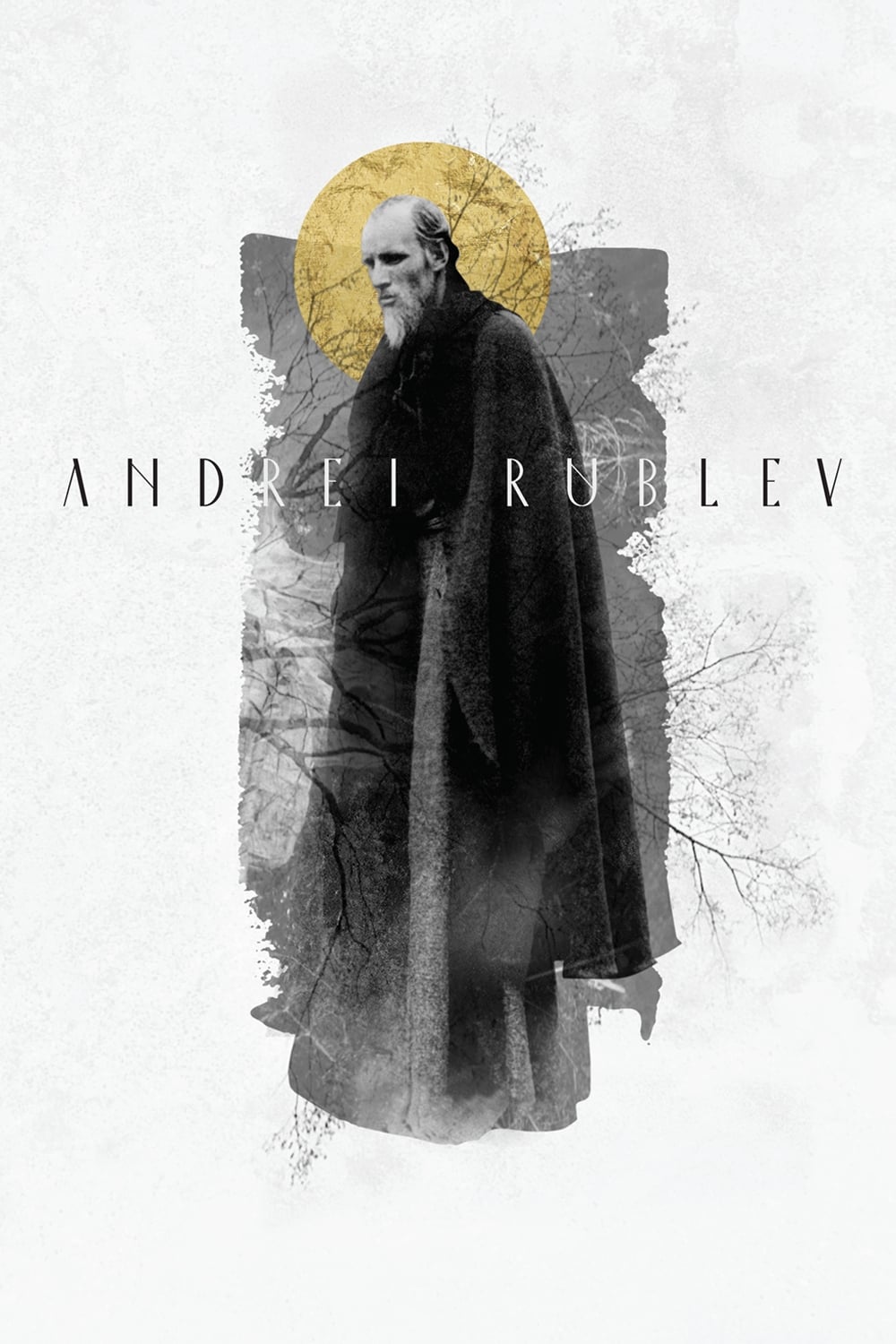
Why This Film Is Beginner-Friendly
I’ll be honest—I was intimidated at first by “Andrei Rublev.” With its reputation as an epic Russian film from the 1960s, I expected something dense and maybe even inaccessible. Surprisingly, what I discovered is that this film welcomes newcomers in its own quiet, patient way. The story isn’t cluttered with confusing twists, and I didn’t need to be a film scholar to appreciate its beauty. In fact, I found the pace soothing rather than alienating. There’s a deliberate gentleness to the way director Andrei Tarkovsky invites us into this world, laying out each scene with such care that I felt like I could sit back and let the film unfold around me rather than chase after every narrative thread.
Perhaps the thing that made “Andrei Rublev” so approachable for me as a classic film beginner is that it’s more about watching than deciphering. There are words, yes, and dialogue matters, but most of the film’s magic is in what you see and feel. It’s not a puzzle you need to solve. Instead, I found myself drawn into the landscapes, the weather, the faces, and the quiet expressions. Tarkovsky builds his world with atmosphere and details, which meant I could let my eyes wander across the screen and pick up whatever moved me. Even if I didn’t always understand the meaning right away, I never felt shut out—there was always something interesting or beautiful to witness.
Honestly, I think this sense of welcoming comes from Tarkovsky’s respect for the audience. He doesn’t rush me; he leaves space for me to settle in. The film’s focus on basic, shared human experiences—fear, faith, doubt, hope—feels universal. I didn’t find myself scrambling to research obscure references or decode symbolic meanings; I simply watched as people struggled, questioned, and connected. For someone new to classic cinema, that shared humanity was a gentle way to start.
What to Know Before Watching
- The film is set in medieval Russia, and there are moments where the setting feels distant from anything I’d ever encountered in modern movies. The costumes, the architecture, and even the way people interact are rooted in another time, making it feel almost like stepping into a centuries-old painting. I needed to remind myself that some details—like religious customs or old-fashioned traditions—might not be instantly familiar, and that’s okay.
- “Andrei Rublev” takes its time with every single moment. Compared to the fast-moving stories of today, I noticed long scenes where not much happens in a plot sense. At first, I wanted to check my phone or skip ahead, but when I allowed myself to slow down and absorb the atmosphere, those “quiet” moments became some of the film’s most powerful. If you’re used to modern pacing, it’s good to know that patience will be rewarded here.
- I was surprised by how visually intense some scenes become. There are stretches of calm, but the violence—when it does appear—can be raw and shocking. I wasn’t expecting that level of brutality or honesty in showing people’s suffering, but it never felt exploitative. Instead, it reminded me that life in this era was harsh and unpredictable. It’s something I wish I’d been more prepared for, simply because it stands out so strongly amid the film’s gentler parts.
- The structure is unique. Rather than following a single, continuous storyline, the film is organized in segments—almost like chapters in a novel, each focused on a different moment or crisis in Rublev’s life. At first, I wondered if I was missing connections, but the film’s rhythm quickly drew me in once I stopped worrying about the usual rules of plot.
- Some of the symbolism and religious imagery are specific to Russian culture and Orthodox Christianity. As someone without much background in that area, I found these moments more haunting than confusing. I appreciated them as mood and texture rather than homework assignments to be solved. I do think it helps to know that not every image requires an answer—sometimes it’s enough just to witness them.
Key Things to Pay Attention To
Whenever I watch a classic film, I like to look for an emotional hook—something that anchors me even if I feel out of my depth. With “Andrei Rublev,” I found that paying attention to the faces of the characters was my entry point. The main character, Rublev, doesn’t always reveal his thoughts with words. Sometimes, I found myself simply watching his eyes or the way his posture shifted. There’s so much vulnerability and uncertainty there, and I realized that I didn’t need to interpret everything intellectually. It was enough to feel what he might be feeling: confusion, wonder, or exhaustion.
I also started noticing how the camera “listens” to the world. Sounds linger after conversations end. Footsteps echo in ruined churches. The wind and rain become their own kind of dialogue. When I stopped waiting for the next big revelation and simply took in those moments, I felt connected to a time and place I’d never otherwise experience. Tarkovsky is a director who truly trusts the power of the image. He tells a story as much through the rolling of a river or the flickering of candlelight as he does through characters’ actions. I found that I didn’t have to “understand” every shot. If I let the atmosphere wash over me, I discovered new joys in the smallest gestures.
For me, another useful approach was to focus on the emotions that swirl underneath the events, rather than getting distracted by historical details. I asked myself: what is Rublev longing for? When does he doubt himself the most? How do the other characters respond to their world—are they angry, hopeful, resigned? Watching these responses made me identify with people whose lives looked nothing like my own. And when the film arrives at powerful visual moments—like the scenes of painting or the eruption of violence—I tried to take them in as giant emotional peaks, not as puzzles to solve. That way, I could let the art and the experience move me, even if the story’s surface felt remote.
Common Misunderstandings for First-Time Viewers
- Misunderstanding 1 – Clarification
When I first approached “Andrei Rublev,” I assumed it would be a straightforward biopic about a famous painter. Instead, I learned that the film wants to explore questions of faith, creativity, and survival, not simply recount the details of Rublev’s career. The artistic process here is more spiritual journey than a catalog of masterpieces. If you start watching and start wondering where all the painting is, you’re not alone—I noticed that, too! The film isn’t showing how art gets made step by step, but exploring what it means to seek inspiration and meaning in a world full of hardship. - Misunderstanding 2 – Clarification
I worried that if I didn’t have background knowledge about Russian history or religion, I’d be lost. While it’s true that some references slipped by me, I realized pretty quickly that emotional truth matters more than historical detail. The film creates its own language of hope and doubt, pain and beauty, and I didn’t need a textbook to “get” the heart of the story. If you ever feel like you’re standing outside, I’d suggest focusing on the universal emotions instead of searching for footnotes to every symbol and scene. - Misunderstanding 3 – Clarification
At times, I wondered if the film was criticizing religion or rejecting faith altogether, especially when the characters face violence or disillusionment. Over time, though, I understood that “Andrei Rublev” is much more about the struggle to keep hold of spiritual meaning in a broken world. It isn’t dismissive or mocking; instead, I felt as if Tarkovsky was inviting me to sit with the uncertainties and doubts that every human being faces, especially those who try to create or believe in something larger than themselves. If the tone feels bleak, remember: the film’s empathy and hope rest in that struggle, not in simple answers.
Is This a Good Starting Point for Classic Cinema?
I’d be the first to admit that I hesitated before diving into “Andrei Rublev” as a classic film beginner. It’s long, it’s Russian, and its reputation looms large. But after spending three thoughtful, challenging, and beautiful hours with it, I came away convinced: this is a stunning introduction to what classic cinema can accomplish. There’s no requirement to “get” everything, and the film never talks down to me or tries to confuse me for the sake of prestige. Instead, I felt cared for by the director, who welcomes even newcomers to soak in his visual poetry and complex empathy.
If what’s keeping you from classic cinema is a fear of boredom or confusion, I’d encourage you to try this film without the pressure of mastery. Let yourself watch the faces, the scenery, and the way emotions ebb and flow. Don’t worry about missing some historical nuance or symbolic layer—those things might become clearer on future viewings, but they’re not essential for a moving first encounter. For me, “Andrei Rublev” proved that the true treasures of classic cinema aren’t found in knowledge but in presence and openness. I found myself changed by the patience, grandeur, and quiet courage the film offers. If you’re new to old movies, this is a remarkable place to begin that journey.
If you’re wondering how this film compares to others that have stood the test of time, these may help.
🎬 Check out today's best-selling movies on Amazon!
View Deals on Amazon