
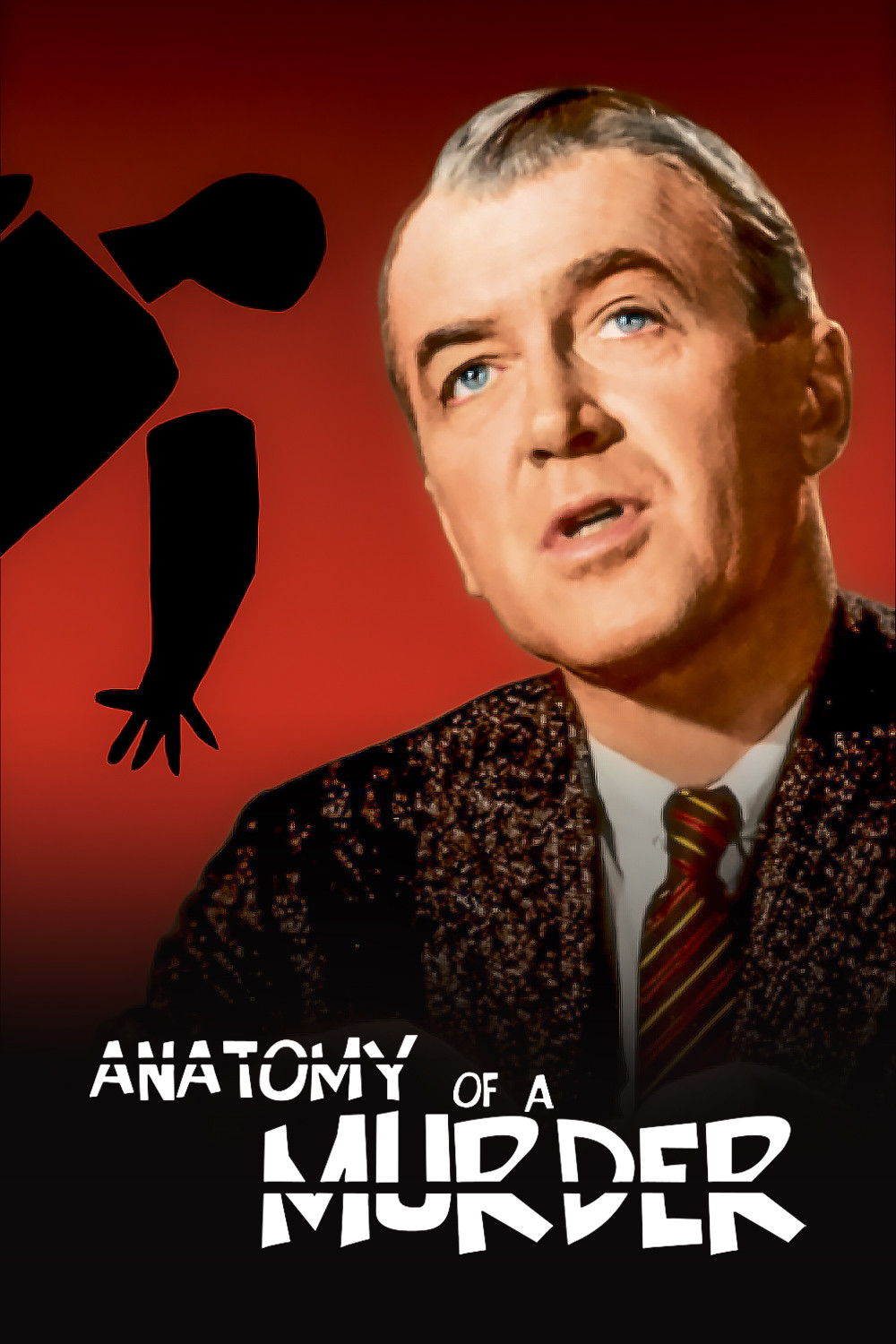
The First-Time Viewing Experience
When I first watched “Anatomy of a Murder,” I felt as if I were tiptoeing into uncharted territory—where the world on screen wasn’t just inviting me to witness a story, but to reckon with the unresolved moral questions lurking below its surface. The introductory jazz score—so languid yet ominous—curled right into my nervous system, warning me that this courtroom wouldn’t follow predictable rules. I remember being caught off guard by how modern everything felt: the language, the psychology, the sense that what’s true or false in a trial rests on shifting sands. I was bracing myself for dated melodrama or two-dimensional characters, but instead found an uncanny blend of legal logic and raw, disordered humanity.
It’s a film that doesn’t settle for simplistic answers. My first time, I was newly aware of the ways classic films can press unbearably close to real life. “Anatomy of a Murder” positions its audience as co-jurors; I was constantly reviewing my feelings about every witness, every gesture, every planted seed of doubt. It wasn’t just a matter of right or wrong. It became a puzzle about whether I could actually arrive at the truth at all. The courtroom scenes, conducted with an almost musical pacing, evoked a sense of anticipation that was oddly exhilarating and intellectually demanding. I noticed that the film doesn’t steer reactions or point a moral finger; instead, it hovers over ambiguity, inviting us to sit uncomfortably in our own judgments. The black-and-white images felt like a perfect metaphor—gradations of gray stretching between light and shadow, innocence and guilt.
After the closing credits, I felt energized but haunted, unsure of what exactly I believed about the events I’d just seen. It’s rare for a classic film to refuse resolution so completely, and I found that uncertainty oddly liberating. For me, “Anatomy of a Murder” delivered a viewing experience that was immersive, questioning, almost conspiratorial—as though the film was inviting me, decades later, to be a participant in its ongoing, unsolvable case. That feeling of inclusion and unease remains with me, and it’s a heady first step into the world of mid-century American cinema.
Emotional Moments That Resonate
Even with its measured pace and cerebral tone, I found “Anatomy of a Murder” deeply emotional—often in subtle, slow-burning ways. There is a quiet ache to James Stewart’s performance as the world-weary attorney Paul Biegler. I remember connecting to his moments of uncertainty, his awkward kindnesses, and the way he nurses his jazz records late at night as both balm and courage. Watching him feel out his client’s story—sometimes reluctantly, sometimes with sly wit—I felt confronted by my own biases about what justice looks like. When Biegler is forced to ask impertinent, even uncomfortable, questions on the witness stand, I ached for everyone involved. The courtroom becomes a crucible where raw nerves burn visibly on screen; I was gripped by each witness’s vulnerability, unpredictability, or sudden lash of anger.
The cross-examinations—tense, prolonged, and full of silences—are where I witnessed empathy and suspicion swirling together. It’s easy to imagine viewers, myself included, suddenly rooting for one side, only to feel their certainty slip away whenever the next layer is revealed. The conversations between Biegler and Laura Manion, the defendant’s provocative wife, echo with emotional volatility. There’s a scene where she sits in Biegler’s office, guarded yet yearning to be believed, and I felt a tangle of sympathy and skepticism—the film’s ambiguity aching all the more because of its refusal to offer easy answers.
Another moment that lands hard is the way the film allows its characters their vulnerability without ever exploiting them for sentimentality. The defendant, Lt. Manion, is neither monster nor martyr. I watched his trembling hands and flares of rage, and wondered: how much of his story do I trust? The trial’s outcome doesn’t wipe away the trauma or restore anything fully; instead, it felt to me like a recognition of wounds that remain unhealed, even after the gavel falls. That subtlety—the refusal to grant closure—still feels radical, and reminds me that some emotional currents are powerful precisely because they are unresolved. Each time the camera lingers on a silent exchange, a shadow passing over a face, I’m reminded that truth is never simple, and empathy costs us dearly.
In the end, the film’s biggest emotional impact, for me, comes from its candor and courage. Its willingness to speak honestly about sexual violence, trauma, and legal gamesmanship left me quietly shaken. I hadn’t expected a film from the late 1950s to deal so earnestly—and provocatively—with taboos that remain fraught even today. When characters stumble toward some kind of understanding or clash in mutual incomprehension, I see traces of battles that are still being fought, both in courtrooms and living rooms. These moments, woven throughout the narrative, become signposts to the anxieties and complexities of the human condition, making “Anatomy of a Murder” feel startlingly relevant.
How to Appreciate This Film Without Prior Knowledge
One of the best surprises for me upon first viewing was realizing that “Anatomy of a Murder” rewards fresh eyes—no prerequisite legal background, cinephile’s knowledge, or cultural nostalgia required. I didn’t need to prepare or study courtroom classics beforehand. The film’s carefully drawn world pulled me in simply because it trusts viewers, regardless of expertise, to engage with complicated ideas and shifting motivations. Even if you’ve never set foot in a courthouse or watched a legal drama before, the story’s logic will carry you along. The camera lingers on ordinary objects and everyday anxieties, making the stakes tangible without needing academic references or mid-century context.
The dialogue is straightforward, never burying the audience under legalese. The characters’ expressions—hesitant, impulsive, or quietly desperate—betray their fears and secrets in body language anyone can recognize. I found myself decoding subtle signals—an uncertain pause, a flicker of annoyance—instinctively, because the film encourages such personal investment. “Anatomy of a Murder” feels refreshingly open-ended; it pushes me to wonder and doubt without ever making me feel foolish for not knowing the right answer. The film accomplishes something I treasure in older cinema: it respects the audience’s intelligence without ever becoming elitist. I quickly recognized that any hesitation or confusion was part of the experience. The film, in fact, is strengthened by openness and the willingness to wrestle with ambiguity.
If you’re someone who worries about not “getting” classic films, this is a generous place to begin. The black-and-white visuals, far from feeling distant or obsolete, draw attention to the nuances of light and shadow in every character and ethical gray area. I didn’t need to know film history or classic Hollywood lore to feel the tension or the weight of the trial. “Anatomy of a Murder” trusts that honest curiosity is enough—and for me, it truly was. The emotional transparency of the acting, the patient storytelling, and the subtle suspense turned my lack of expertise into a strength, making every reaction feel original. This is a rare film that knows its power comes not from nostalgia, but from immediacy and invitation. A first-time viewer, even in today’s world, is equipped to appreciate everything it puts on display.
Who This Film Is Best Suited For
- Film lovers seeking thoughtful, character-driven drama
- Viewers drawn to morally ambiguous stories without clear heroes or villains
- Anyone curious about courtroom dynamics or psychological mysteries who doesn’t want easy answers
A Beginner’s Final Recommendation
Whenever someone asks me where to start with classic American cinema, I find myself steering them toward “Anatomy of a Murder.” I do this not because it’s canonical or celebrated—although it is—but because it made me feel, on my first viewing, both seen and respected. This is the rare film where uncertainty feels like part of the invitation, and where your personal reactions are woven into the story’s very fabric. The experience is alive, unsettling, and strangely intimate. I encourage first-time viewers to sit with their discomfort, let questions percolate, and savor the slow, steady rhythm of a story that refuses to hand out verdicts.
If you enter “Anatomy of a Murder” with nothing but curiosity and a willingness to be challenged, you’ve already done everything right. No background is required; you don’t need to learn film theory or brush up on legal procedure—the film meets you where you are. Let yourself respond honestly, whether you find yourself moved, disturbed, confused, or even frustrated. Those reactions are the point. This is a movie that will stay in your mind, asking you to revisit your assumptions and draw your own conclusions. I never felt hemmed in by convention or history. Instead, I felt as if I had discovered something startlingly modern—a place where uncertainty is a kind of freedom and where an unpolished emotional response is the truest measure of engagement.
I find that a first viewing is never quite enough. The film lingers: phrases, glances, and unresolved questions echo long after the credits. It’s okay if you finish feeling unresolved. That is, I think, the film’s greatest gift. My advice for anyone new is to surrender to the mood—the smoky, shadowed world of Northern Michigan, the unsettled court, the pull of decency and doubt. There’s nowhere to get lost. There’s only the adventure of forming your own opinion, and knowing that’s exactly what the film most wanted from you. “Anatomy of a Murder” is not just a time capsule; it’s a living dialogue, and your voice belongs in it, now more than ever.
To understand whether timeless appeal still resonates today, modern reassessments are worth exploring.
🎬 Check out today's best-selling movies on Amazon!
View Deals on Amazon