The First-Time Viewing Experience
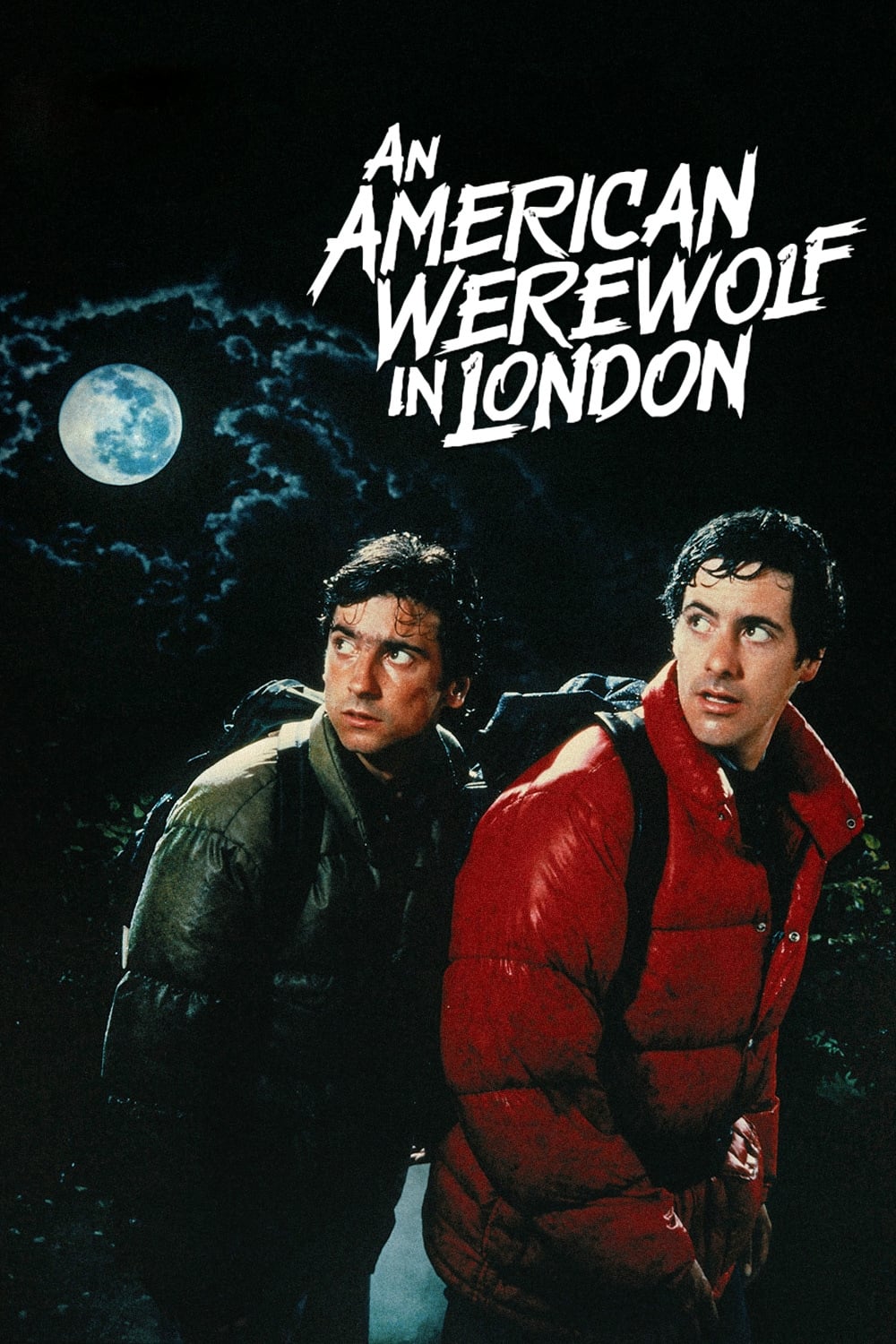
Stumbling into An American Werewolf in London for the first time felt like stepping into a midnight London where the fog never lifts—where anything, no matter how improbable, could lurk just out of sight. I vividly recall how the film’s opening unsettled me immediately. It was as though I’d wandered through the moors myself, clutching my coat tighter as every gust of wind became a possible harbinger of something unspeakable. Watching this as a newcomer, I was caught off guard by how nimbly the film walked that razor’s edge between humor and horror. There’s a peculiar momentum here; I felt pushed along by a mixture of dread and twisted amusement. Nothing was quite predictable, and there was a sense of dangerous playfulness throughout—like the film itself was a mischievous spirit keeping me off balance.
What struck me most, sitting through those first scenes, was the sense of isolation the protagonist endures. Although much of the storytelling is dripping with a distinctly British dark wit, for me, the emotional core felt achingly lonely. Even surrounded by bustling Londoners, David seems completely adrift, a stranger in a city that feels at once welcoming and alienating. I found myself empathizing deeply with that outsider perspective. I was reminded of times I’d felt alone in new places, unsure of the rules, constantly second-guessing what was lurking behind even the most ordinary smiles.
As the minutes ticked by, I found my expectations about what a horror film “should” be quietly unravelling. The practical effects—far from evoking the sort of digital gloss I’m used to—had a raw, tactile weight that startled me. Watching the infamous transformation sequence, I remember bracing myself, breathless at the carnality of it all. It was mesmerizing, grotesque, and more beautiful than I expected. When the supernatural finally surges from the shadows, I didn’t feel prepared. The terror felt revolutionary. Suddenly I was sixteen again, uncertain and wide-eyed, discovering what genre movies could really achieve if they didn’t follow the rules.
If I close my eyes and recall my first encounter with this film, it’s the sense of irreverent unease that lingers most sharply. I couldn’t shake the uncanny feeling that the werewolf legend was being resurrected not just to scare me, but also to invite me to question what it means to be transformed—to lose one’s identity, maybe even one’s humanity. For a new viewer, every minute holds the thrill of not knowing: are you about to laugh, scream, or—more likely—do a bit of both?
Emotional Moments That Resonate
On my first watch, I was surprised at just how much sorrow and empathy pulsed beneath the shocks and gags. There’s a scene that never fails to stir me, where David, alone in a sterile hospital bed, calls his family back home. The pitch of his voice—resting somewhere between embarrassment, loneliness, and fear of burdening those he loves—felt incredibly real to me. Watching, I realized that beneath the bizarre horror of his situation, there was a universal ache for connection and understanding. It made me reflect on the last time I called someone just to hear a familiar voice, telling myself and them that everything was okay, even when it wasn’t.
Another moment that cut deep was the first time David sees Jack again, his friend transformed into a ghostly, decaying harbinger. There’s both revulsion and genuine warmth in their reunion. I remember being struck by the humanity still shining through Jack’s damaged form—their banter laced with dark, gallows humor that somehow only made the tragedy sharper. It’s a scene that left me feeling unexpectedly vulnerable; the film reminded me that horror, at its most successful, is so often rooted in love and loss. When Jack pleads with David, urging him to consider his fate, I saw echoes of difficult conversations I’ve had with friends—when we’re forced to say hard truths to protect each other, even when it hurts. That dynamic felt more authentic to me than anything I’d braced for in a so-called “monsters and mayhem” movie.
Even the infamous transformation sequence—renowned for its revolutionary practical effects—hit me harder than I expected. I was prepared to be grossed out or to marvel at the artistry. What I wasn’t prepared for was the strange intimacy of it. Watching David’s body wrench and reshape, I felt a primal sympathy: the horror wasn’t just in the violence or pain, but in the sense of no longer recognizing oneself. It called up all those times I’ve felt bodies, identities, and emotions shifting in ways I couldn’t control. I was awed by the vulnerability on display, something rarely found in genre fare from any era.
Oddly enough, humor became a subtle conduit for emotion throughout my viewing. Even at the film’s tensest moments, a joke or absurdity would break through, leaving me off guard. Suddenly, horror and laughter felt intertwined—like a memory you can never tell without both a shiver and a smile. This interplay made every emotional note hit even harder; I was laughing one moment and near tears the next. The blend of tones reminded me that life, especially in its most uncertain chapters, throws us joy and terror in tandem. That’s what made these scenes resonate so strongly: they felt, despite the supernatural, intensely human.
How to Appreciate This Film Without Prior Knowledge
I remember sitting down to An American Werewolf in London knowing only its cult reputation and its genre. In those first moments, I wondered if I would miss something—not being a devout horror buff, nor an expert in werewolf lore. That initial uncertainty melted away quickly. What surprised me most was how this film needed no gatekeeping or encyclopedic knowledge to make an impact. The story’s power comes not from inside jokes or franchise references, but from themes as old as folklore itself: fear of becoming something monstrous, longing for belonging, wrestling with fate.
Whenever I recommend this movie to a friend who’s never dipped a toe into classic horror, I assure them they’re starting at the perfect place. I found that every sequence works on two levels: as a viscerally effective suspense film, and as a meditation on alienation and anxiety that anyone can relate to. You don’t need to understand the mechanics of lycanthropy, British geography, or the specifics of horror tropes. All you need is a willingness to let the movie pull you in—sometimes gently, sometimes by the scruff of the neck. The film meets you on your own emotional wavelength, whether you’re drawn in by the friendship at its core, the romance, or simply the nerve-wracking uncertainty of becoming something unfamiliar.
This lack of required expertise never feels like a drawback—in fact, the opposite was true for me. There’s an immediacy to the storytelling that rewards first-time viewers. Since I didn’t know what to expect, the film’s risks and tonal shifts felt more exhilarating. Each scare, joke, and character moment was mine to discover, free from the baggage of expectation. If anything, not knowing the specifics of werewolf myths or horror history helped me connect more deeply; I was in the dark alongside David, a tourist with just as many questions, just as much hope that everything would stay safe and ordinary.
Above all, my experience taught me there’s no wrong way to approach this movie. If you’re someone who loves dissecting old films, there are rich veins to mine here, but if you’re a casual viewer just looking for an emotional punch and a wild ride, you’ll find as much wonder as the most seasoned cinephile. Letting go of the pressure to “understand” and simply trusting the film was one of the most freeing experiences I’ve had with a classic movie.
Who This Film Is Best Suited For
- Anyone who finds beauty in unsettling stories—if you thrive on contrast, if you like the way laughter and fright can live side by side, this film is as close to the heart of that paradox as any I’ve seen.
- Curious viewers who want to explore genre films without the barrier of deep backstory or franchise fatigue. If you’re new to scary movies, but want one that rewards your attention with a blend of humor, romance, and humanity, this is a welcoming entry point.
- People who are drawn to stories about outsiders and transformation. If you’ve ever felt out of place, if you’ve questioned who you’re becoming or feared change, you’ll find echoes of your own story beneath the fur and fangs.
A Beginner’s Final Recommendation
If I reach back to that first time—heart thumping, uncertain—I recall the thrill of discovering how films can be both sophisticated and raw, intelligent and outrageous, heartbreaking and hilarious, sometimes all in the same scene. I’d urge any first-time viewer to let themselves wander, as I did, into the film’s foggy crossroads of myth and modernity. You don’t need armor made from genre expertise, nor do you have to steel yourself for the worst; just bring your curiosity, your willingness to be swept along, and the humility to let a movie surprise or unsettle you.
It’s okay, more than okay, to be cautious about your expectations. I watched with an open heart and found something precious: a story that, beneath all the horrors and absurdities, reminds us of our longing to be understood, to feel safe, and ultimately to face our fears, even when they come from within. The film rewards openness and vulnerability—I found myself rooting for David and his circle not because of their genre roles, but because their journey through strangeness felt so intimate, so familiar, so human.
For anyone about to embark on this cinematic adventure, I offer this: let yourself be a little frightened, a little amused, a little moved. Allow the practical effects to enchant instead of distract, and listen for the jokes that buoy you amid the darkness. This is a film that understands that we laugh at the absurd, even as we’re touched by the uncanny. It’s a work that values your honest, unfiltered reaction—whether you’re startled, amused, or even left with questions as the credits roll. My most cherished memories from that screening are the lingering wonder and unexpected empathy that followed me, long after the screen had gone dark.
To understand whether timeless appeal still resonates today, modern reassessments are worth exploring.
🎬 Check out today's best-selling movies on Amazon!
View Deals on Amazon