
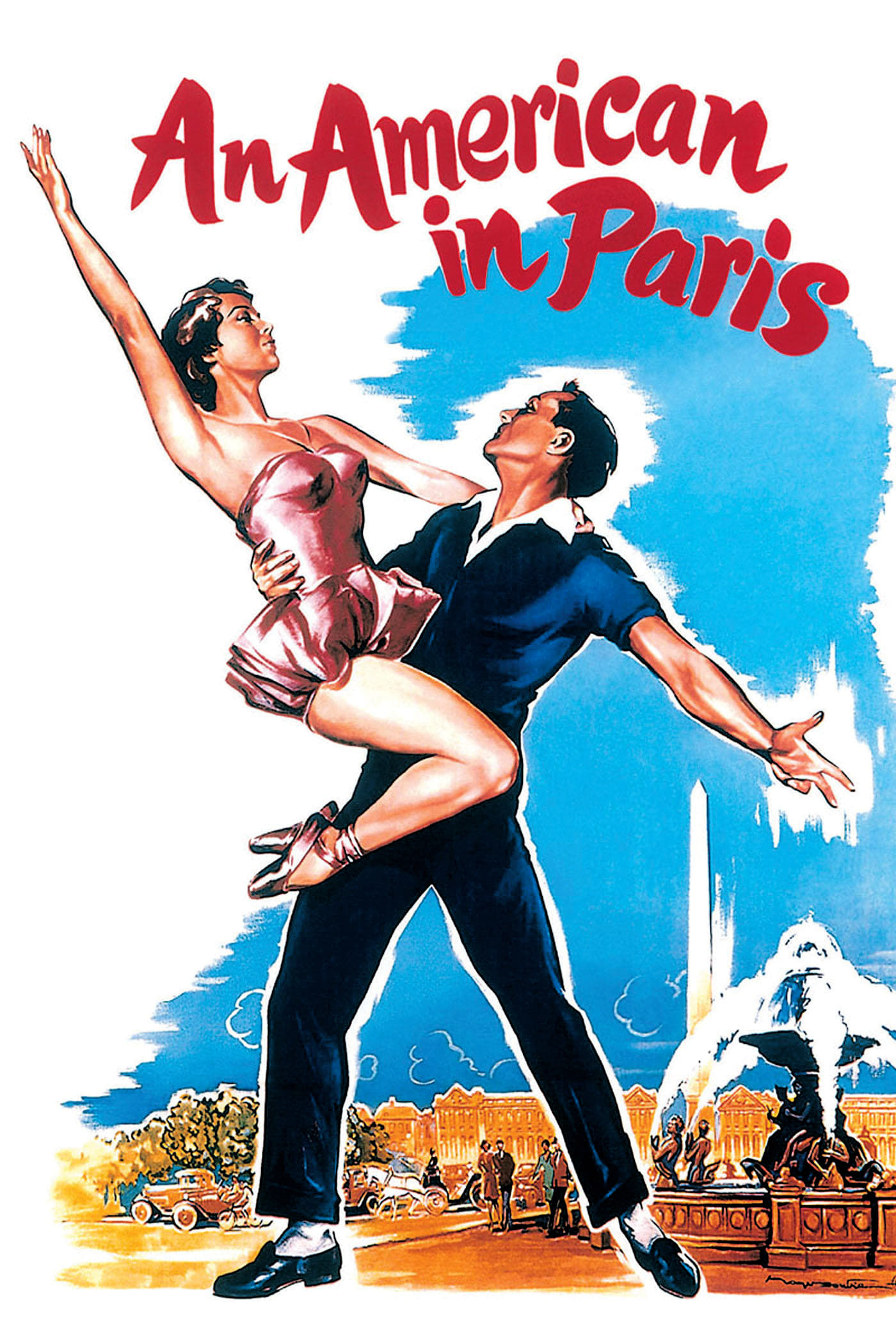
Why This Film Is Beginner-Friendly
The first time I sat down with An American in Paris, I sensed an immediate easing-in that I didn’t always feel with other classics from that era. For someone who might be anxious about black-and-white movies or intimidated by the idea of “old Hollywood,” this film immediately signals that classic cinema doesn’t need to feel distant or overly formal. What struck me almost instantly was how colorful, vibrant, and alive the film felt, both literally (with its Technicolor glow) and emotionally. There’s a warmth to every frame that makes it super inviting for a viewer unfamiliar with older films.
I was also drawn in by the music and dancing. You don’t need to be an expert in musicals or ballet to appreciate Gene Kelly’s charm—his movements practically pull you along for the ride. The songs (from George and Ira Gershwin, no less) are catchy and melodic, but I never felt like I had to “study” them to enjoy what was happening. There’s a playfulness and simplicity, both in the story and performances, that makes it approachable. The characters’ hopes, joys, and confusions are universal—even if Paris seems a little dreamier here than in real life.
All of this made me realize that An American in Paris manages to be both a shining example of Golden Age filmmaking and a gentle, friendly invitation to anyone curious about that time. If you’re nervous about starting your journey with classics, this is a film that feels like it’s holding out its hand, ready to take you on a delightful, not-too-intimidating adventure.
What to Know Before Watching
- When I watched this film for the first time, the most obvious difference was the pacing—even compared to other classics, the story can sometimes pause to let the music or dancing take over for several minutes. There isn’t always the “quick cut” or tight plot structure you might expect if you’re used to today’s movies.
- I’d also note that a lot of the emotions and romances are expressed in ways that may now feel exaggerated or stylized. The characters don’t always spell out their feelings in natural dialogue—sometimes, they sing or dance instead, and I’ve realized that was simply part of the movie magic back then.
- The film leans into its stage roots in a way that might surprise you. There’s one extended ballet sequence near the end (almost twenty minutes!) that practically becomes its own little silent film. The flow of the movie suddenly changes, and it’s a uniquely creative moment. The first time I saw it, I was both confused and totally enchanted.
- You’re looking at a version of Paris that feels more like a fantasy than a city you could visit today. I had to remind myself not to expect strict realism—the sets, the costumes, and even the way the story unfolds all paint a sort of idealized vision of postwar Paris.
- There are some elements that reflect the values and conventions of Hollywood musicals from over seventy years ago. Sometimes the characters or the humor might come across as more innocent or more quaint than what you’re used to seeing.
- If you’re new to musicals, you might not be familiar with how songs are used to push the story forward. Instead of pausing for a big action or dialogue scene, the film often lets a new Gershwin song (or a dazzling dance sequence) express what’s happening inside the characters.
- The film is in glorious color, not black and white! I know a few friends who’ve avoided classics, assuming they’d be drab or visually dull, but this movie is a total feast for the eyes. The use of color genuinely surprised me the first time, making the whole experience feel so much more modern than I expected.
Key Things to Pay Attention To
Every time I rewatch An American in Paris, I find myself noticing new little touches that build its unique charm. For someone just stepping into classic movies, I’d suggest watching how the emotions are communicated not just through words, but through movement, expressions, and especially the dance numbers. For instance, Gene Kelly’s joy or frustration is channeled through every tap, leap, and smile. The choreography is bursting with personality—you might notice how he uses the whole world as a dance floor, kicking up his heels in cafés, on the riverbank, or even in a humble studio.
I’d focus on the relationships between the three main leads. Even though the story is simple, the chemistry between the characters is what gives the film its energy. You can almost see the affection and frustration ricochet between Leslie Caron’s Lise, Kelly’s Jerry, and Oscar Levant’s Adam. There are moments where a single glance or a lingering shot tells you as much about what someone is feeling as a whole page of dialogue could.
I absolutely love paying attention to the often playful, sometimes romantic design of the sets and costumes. Artists and set designers went all-out creating a Paris that’s part fantasy, part tribute to French art. The last ballet sequence is the peak of this artistry, giving you a rapid-fire tour through different art movements and styles. Each segment becomes its own mini-story, told through color, costume, and movement rather than words.
I always recommend listening closely to the music. If you’re new to musicals, notice how the soundtrack shapes the experience—sometimes playfully, sometimes dreamily, often helping you understand what’s going on in the characters’ hearts even when they’re quiet. Even if you can’t hum along, Gershwin’s melodies might stick with you after the movie ends.
Finally, take note of how happiness and yearning are woven together. The film is light and fun, but there’s a bittersweet undercurrent—the idea that dreams and reality aren’t always aligned, and sometimes you have to dance your way through confusion to find your truth. That balance of joy and uncertainty is something I find totally universal, no matter what kind of movies you like.
Common Misunderstandings for First-Time Viewers
- Some might think the movie is only for people who already love musicals or dance. From my own experience, I was amazed to discover that you don’t have to know anything about ballet or tap to have fun with this film—the dancing is so expressive and joyful that it works as a pure emotional language, not homework!
- It’s easy to assume that because it’s called An American in Paris, the movie is going to feel “touristy” or shallow, just showing off the city for the sake of it. I quickly learned that Paris, in this film, is more like a character or a dream itself. It’s less about the real-life place and more about capturing the feeling of hope, art, and romance that Paris has inspired in so many artists.
- The climactic ballet at the end can seem like a total detour from the main storyline—when I first saw it, I honestly wondered if I’d missed something or if the movie had forgotten about its plot. But I learned that this stunning sequence is really a metaphor for the characters’ emotions, told through dance and music instead of words. It may feel abstract, but if you just watch the colors, the movement, and the way the music flows, it actually becomes one of the most expressive parts of the film.
- I’ve heard friends say that classic films are all slow or overly sentimental, but this movie surprised me with its wit and sometimes laugh-out-loud humor. Gene Kelly, in particular, knows how to bring a light touch—there’s a kind of mischievousness to his performance that keeps things lively, even when the story gets dreamy.
- Some viewers expect very obvious or modern romantic chemistry, but here the film shows emotion in unexpected ways—sometimes through longing looks or even silence rather than big declarations of love. I found the understated moments often had the most power.
Is This a Good Starting Point for Classic Cinema?
Every time someone asks me where to start with “the classics,” I find myself recommending An American in Paris as a top choice. From the moment I watched it, I felt that I was being welcomed—never tested, never made to feel out of place as a newcomer. The film is friendly in a way that doesn’t demand you bring any prior knowledge or special appreciation for old movies. The story is straightforward; the visuals are dazzling; the music is instantly likable.
What makes it particularly effective for beginners, in my eyes, is how it connects classic style with a timeless energy. The colors practically burst from the screen, the dance numbers have an infectious joy, and the romance is both sweet and a little complicated—just enough that it feels real, but never so much that it becomes heavy or confusing. Even if you’ve never watched a musical before, the film pulls you in with its effortless charm.
One of the wonderful surprises for me was how modern the visuals and tone can feel, despite being made more than seventy years ago. It’s light on complicated plot twists or period-specific references, so you’re never lost or distracted by details that feel dated. Instead, I found myself swept up by the spirit of the thing: the hopefulness, the pleasure in music and movement, the way the city of Paris becomes a lush, painted world of possibility.
If you’re anxious about finding old films “dull” or hard to connect with, this is a gentle way to prove yourself wrong. The sense of play, the beautiful art direction, the humor, and Gene Kelly’s charisma all combine to create a movie that is—at its core—about feeling alive and pursuing joy, even in simple moments. I think starting here not only gives you a great experience, but opens the door to exploring more classic movies, since it helps build your confidence and your appetite for the unexpected delights that Hollywood’s golden age has to offer.
In short, I can’t think of a friendlier or more joyful “first dip” into classic cinema. After I watched it, I had a sense that I understood the magic and appeal of old movies in a whole new way, and I’m certain others will feel the same.
If you’re wondering how this film compares to others that have stood the test of time, these may help.
🎬 Check out today's best-selling movies on Amazon!
View Deals on Amazon