
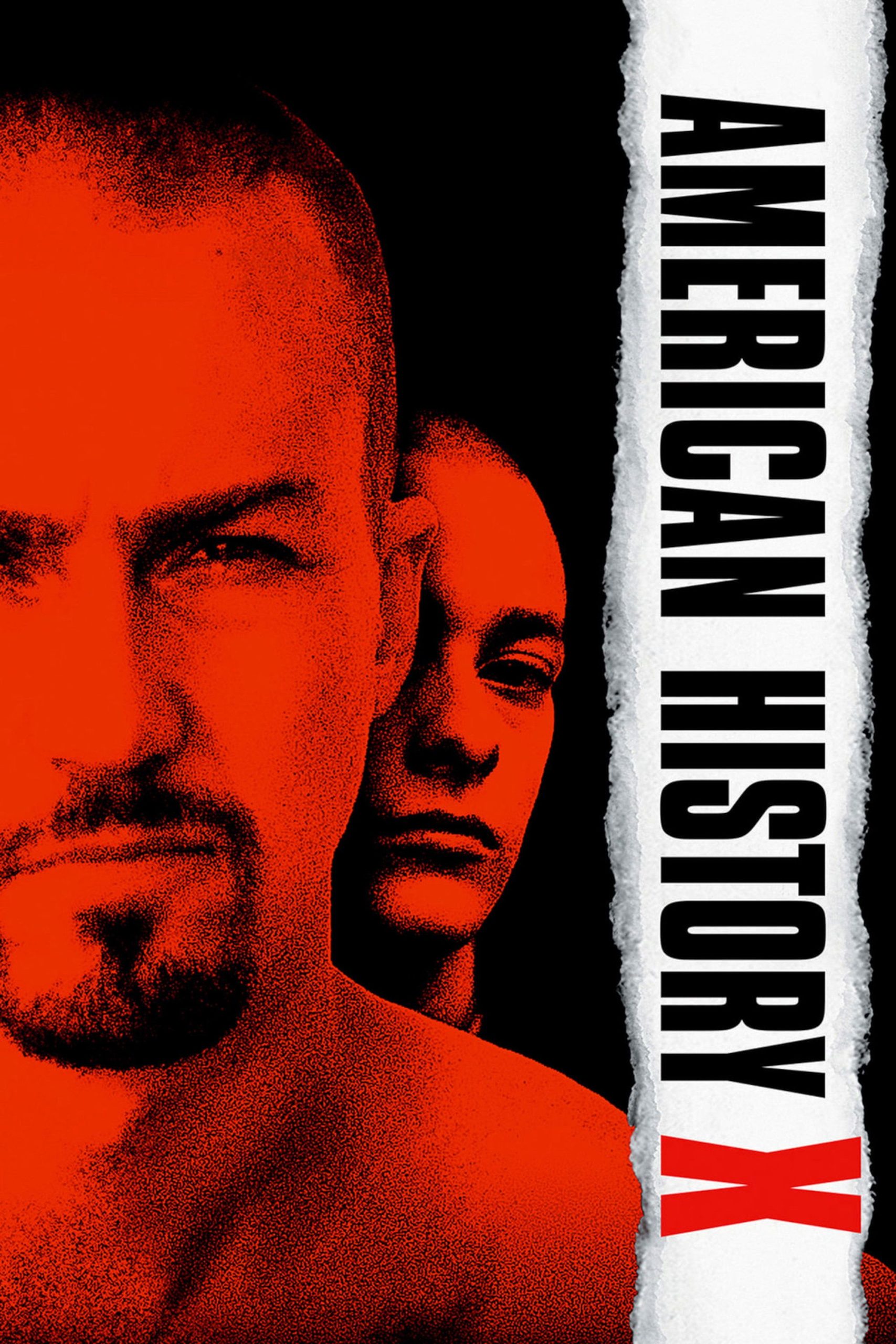
Why This Film Is Beginner-Friendly
I still remember the moment I first pressed play on this movie, feeling uncertain about what to expect from a film so often described as “classic” and yet so undeniably modern. One thing that stood out immediately for me was just how direct and gripping the story felt. I’d been worried that diving into older, celebrated films would mean wading through slow, cryptic plots or black-and-white cinematography that might feel distant. But instead, I found myself pulled in by the way this film communicates its message and emotions with clarity and urgency. The themes—family, anger, change, and forgiveness—felt instantly relatable, and I never felt lost even when scenes got intense.
For someone like me who was new to the idea of “classic cinema,” I found that this movie bridges the gap between older storytelling styles and the kind of raw, dramatic narratives you’ll find in more recent films. The dialogue doesn’t hide behind outdated slang or hard-to-get cultural references, and the emotional beats land with a kind of universal resonance. I was surprised by how accessible the film was, given its reputation. Even though parts of it are shot in black and white, which I was nervous might make things feel less lively, those scenes actually drew my focus more to the characters and the emotions building inside them.
What made it truly beginner-friendly in my experience was the sense that I didn’t have to study cinema history to “get” what the film was saying. The performances, especially from the main actors, jump off the screen. The story tackles tough subjects, but it does so in a way I found deeply human and, ultimately, hopeful. It became clear to me that you don’t need a background in classic films to understand or appreciate the impact of what’s unfolding. If you’re curious about exploring richer, more thoughtful stories while still feeling grounded in a familiar world, this film can make that leap feel comfortable and even thrilling.
What to Know Before Watching
- Some of the historical elements—like depictions of skinhead culture and the tensions around race in the late 1990s—may seem intense if you haven’t encountered these subjects in earlier movies. I found myself startled by how directly it addresses hate and prejudice, but it actually helped me see why the message was so urgent back then and still matters today.
- Pacing here feels both immediate and deliberate. While there are high-energy moments, I noticed that the film isn’t rushing from one action sequence to the next like many recent blockbusters. Instead, there are reflective scenes and careful conversations that might test your patience if you’re used to constant excitement. For me, this allowed the larger emotional themes to really sink in, and I appreciated that space to think and feel.
- The mixture of black and white with color scenes surprised me at first. I wondered if it was done just for style, but I soon realized how it separates the past from the present. This stylistic choice actually made it easier for me to follow the timeline and feel the weight of old memories, once I got used to the transition.
- Unlike films where happy endings are almost a guarantee, I learned very quickly that this story doesn’t shy away from pain or violence. Some scenes are genuinely difficult to watch. I had to remind myself that part of classic cinema’s power is its ability to make us look at uncomfortable truths while still finding hope and possibility.
- I went in expecting the main characters to be painted as simple heroes or villains, but the moral complexity took me by surprise. It was refreshing—and sometimes challenging—to see people change, grow, and contradict themselves. If you’re new to classic films, it’s good to be open to this kind of depth.
Key Things to Pay Attention To
While watching, I found myself really drawn to the way the camera lingered on the characters’ faces, sometimes letting silence speak just as loudly as words. I noticed quickly that paying close attention to these moments made the characters’ internal struggles much more vivid. For example, the expressions of the lead actor during scenes of anger or quiet regret say just as much as any piece of dialogue. I found myself watching the subtle shifts—tension in the jaw, tears held back, the way a glance would be quickly dropped or anxiously held—and it made the story feel alive and deeply personal.
What also stood out for me was how the movie uses its visual style to separate the past from the present—black and white for memories, color for current events. I realized that by keeping an eye on which visual palette I was in, I could better understand how each character was haunted by their previous choices, and how those memories shaped their futures. It’s a good idea, in my view, to pay attention to how the light and colors (or absence of them) set the emotional tone in each sequence.
The music and sound in this film are not flashy, but they quietly guide you into the moment. I remember feeling almost physically unsettled by certain sound cues, especially in the tense scenes. If you’re new to older dramas, notice how the soundtrack often steps aside to let silence speak—those quiet moments really build anticipation.
Finally, I’d encourage first-time viewers to keep an eye on the dynamics between the two brothers at the story’s center. I was especially moved by the way their relationship evolves—sometimes tense, sometimes vulnerable, always complex. It was through these interactions that I found myself most invested, asking not just what would happen, but why each character was being pulled in different directions. By caring about their bond, the whole story felt more meaningful to me.
Common Misunderstandings for First-Time Viewers
- Misunderstanding 1 – Some folks I’ve spoken to thought the film was “endorsing” hateful ideologies because the main character is so deeply entrenched in them at the start. From my own viewing, it’s clear that the story is actually an argument against those views, showing the pain and destruction they cause both to individuals and families. Staying with the film through to the end made this message ring out powerfully for me.
- Misunderstanding 2 – I used to think that classic status meant a film would be filled with movie references or be part of a larger Hollywood “conversation.” In my experience here, the movie stands on its own and is easy to follow without prior knowledge. If you worry about missing in-jokes or hidden history, I can assure you that everything you need is right on the screen.
- Misunderstanding 3 – Some of my friends, after just hearing about the film, assumed that it would be relentlessly grim or depressing all the way through. While there are undeniably tough moments, I found glimmers of hope and forgiveness woven into the story—a reminder that even in the darkest situations, people can change and grow. That sense of possibility made the more painful scenes feel worthwhile, rather than overwhelming.
Is This a Good Starting Point for Classic Cinema?
When I consider all the films that are often called “classics” or “must-see,” I often think about how intimidating that world can look to someone on the outside. And yet, my experience with this movie was a reminder that classic doesn’t have to mean distant, confusing, or old-fashioned. I truly see it as an ideal entry point, because it reaches across generations without losing its own identity. Its themes—a yearning for change, the weight of family, the painful cost of intolerance—felt just as timely and real as anything made today.
I never felt lost or talked down to while watching. If anything, I was drawn in by just how relevant and emotional every scene felt, regardless of when it was made. In my conversations with friends who were also new to classic films, this movie often came up as a favorite because of how natural it is to follow. Even the moments that felt unfamiliar at first—whether it was the stylized black-and-white sequences or the measured pacing—quickly became part of the story’s unique power for me. I found myself caring deeply about the fates of the people onscreen, long after the credits rolled.
If you’re just starting to explore the wider world of classic cinema and want a film that will move you, challenge you, but never leave you behind, I can’t think of a better place to begin. It’s unflinching, yes, and at times uncomfortable—but it’s also a story about hope, redemption, and the difficult journey toward understanding, both of ourselves and others. In my own journey through cinema, this film marked a turning point: it showed me that powerful stories don’t have to be locked in the past. They keep speaking—loud and clear—if we’re willing to listen.
If you’re wondering how this film compares to others that have stood the test of time, these may help.
🎬 Check out today's best-selling movies on Amazon!
View Deals on Amazon