Why This Film Is Beginner-Friendly
There’s something magic about the first time I watched “Amélie”—like having someone open a door to a world that’s colorful, peculiar, and inviting, all at once. What struck me right away was how easy it felt to slip into its quirky rhythm. There’s no heavy-handed history you need to know, no encyclopedic familiarity with old Hollywood legends required, and no hard-hitting technical jargon thrown at you. Instead, I felt like I was being invited to a playful afternoon in a Paris I’d only dreamed about, led by a main character whose curiosity is infectious. The film’s playfulness, visual inventiveness, and offbeat sense of humor made it feel far more welcoming than many intimidating “serious classics.”
The reason “Amélie” sits at the top of my list when someone asks where to start with classic cinema is its immediate warmth and accessibility. Unlike certain black-and-white epics or dense historical dramas, this movie overflows with joy, warmth, and an irresistible sense of whimsy in almost every scene. I didn’t find myself getting tangled in layers of references or bogged down by complex subplots. Everything unfolded with a lightness and clarity that gave my imagination space to wander and connect with the characters in exactly the way I wanted. Even when the film brings up melancholy or loneliness, it’s always in a way that feels honest, not overwhelming.
If you worry that classic movies might feel stuffy or remote, I can honestly say “Amélie” is the perfect contradiction: it’s undeniably stylish and artful, but—at its heart—it feels like the cinematic version of a friendly smile. It’s rare to find a film this imaginative that also encourages you to relax and just go along for the ride.
What to Know Before Watching
- At first, you might notice the film’s French setting and language. I remember having jitters about watching a “foreign film,” but with subtitles, I quickly leaned into the musicality of the language and used it as an excuse to pay extra attention to the facial expressions and tone. It didn’t take long for the dialogue to feel like part of the overall mood, not a barrier.
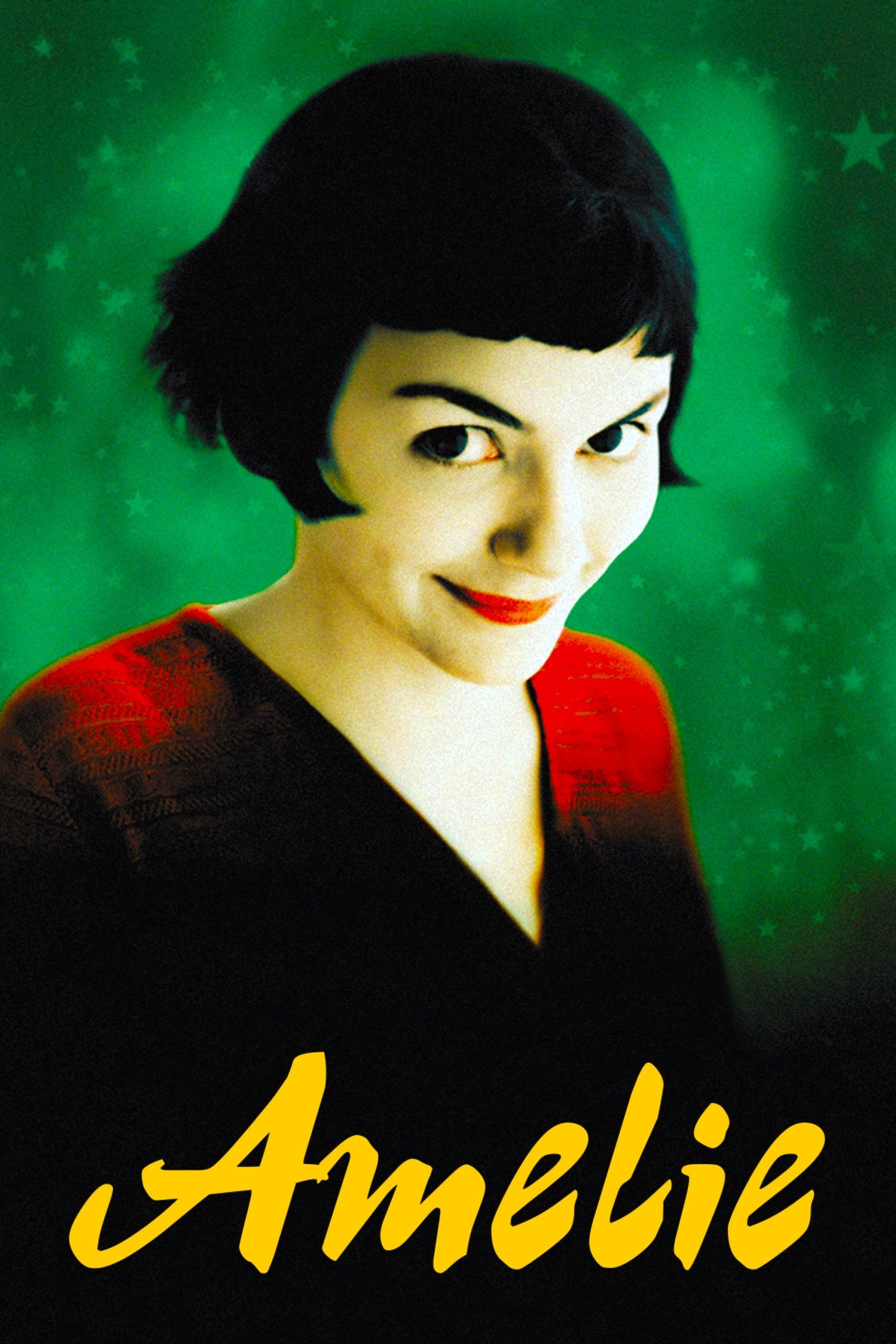
- The movie’s visual style is unlike much of what I’d seen in mainstream blockbusters. Its colors are bold and exaggerated, almost fantastical, and the camera is unafraid of sudden close-ups, visual gags, or playful little transitions. At first, it almost reminded me of a storybook brought to life, and I found it refreshing—even if it felt a bit unusual compared to slick, realistic modern productions.
- I noticed the pace is gentler than in many blockbuster films. Scenes often linger, with moments that seem devoted to letting you soak in the environment or a character’s small gesture. Rather than non-stop action, the film often takes time to meander, just like its protagonist. I found I had to relax my expectations and let the movie unfold at its own rhythm, rather than waiting for huge plot twists every five minutes.
- The story has a kind of magical realism—a way of mixing everyday life with moments that are exaggerated, whimsical, or even slightly surreal. Little objects or side characters are given important moments. This can at times feel odd if you’re used to absolute realism, but I found it liberating. It taught me to not take every detail literally, and to embrace the film’s imagination as part of the fun.
- I was pleasantly surprised at how the film uses narration. The narrator provides quirky facts, inner thoughts, and daydreams for the characters, and I found it enhanced my understanding of the characters’ inner worlds. If you’re used to straightforward storytelling, the narration here might feel unusual, but I think it adds to the charm and intimacy.
- For anyone who feels put off by “the classics” because of heavy themes or tragic endings, I can reassure you that while “Amélie” does have its poignant moments, it never leaves you in a place of despair. The tone is uplifting in the end, and the journey feels more about celebrating small joys than delving into sorrow.
Key Things to Pay Attention To
When I settled in to watch “Amélie,” I quickly realized that the usual way I watched big, modern movies didn’t quite fit. Rather than focusing on plot twists or waiting for high-tech spectacle, I found it much more rewarding to focus on the small ways characters communicate—little looks, gestures, and daydreams that reveal their inner hopes and quirks. The main character, Amélie herself, keeps much of her world tucked away inside her own shy, restless mind, and watching her subtle expressions became almost like reading a secret diary.
Visual storytelling is everywhere in this film. I would suggest to anyone new to classics: don’t rush. Notice how the colors pop, and how they often hint at a character’s mood. You’ll see lots of deep greens, warm reds, and golden yellows, giving everything a nostalgic yet otherworldly glow. I love catching how the film frames each character with care—giving even the smallest part in the story a moment of dignity and personality. Even Amélie’s apartment or the local café feels so lived-in and packed with details that reflect her inner life.
The way emotions travel through little objects in this film amazed me. A childhood tin, a mysterious photo album, or even a garden gnome can become a key to a character’s heart. I think beginners should watch for these objects; they aren’t just props, but clues about what really matters to the characters. This is a film where daydreams can appear on screen and everyday acts—a skipped pebble, a hidden act of kindness—can be as powerful as grand speeches.
The ensemble of supporting characters is another treasure. Rather than focusing all my attention on the “main story,” I found immense enjoyment in watching how the neighbors, coworkers, and bystanders each get their own little quirks and backstory. It felt almost as if the filmmakers loved every person in the world they’d created, down to the clerk, the grocer, and the shy customer—all of whom have secrets, heartbreaks, and dreams. If you watch for these details, you’ll notice the film tries to say something about empathy: everyone around us is living a story just as rich as ours.
And finally, don’t be afraid to just sit with your own reactions. The movie welcomes you to respond openly—whether you laugh at an unexpected sight gag, pause at a bittersweet moment, or simply enjoy the music washing over you. For me, “Amélie” opened up the idea that a classic film doesn’t have to be daunting or distant; it can be personal, vibrant, and brimming with joy that you don’t need to analyze to appreciate.
Common Misunderstandings for First-Time Viewers
- Some people I know came in expecting this film to be a straightforward romantic comedy and were surprised by its dreamy, offbeat style. Clarification: While love is an important part of the story, I see the heart of the film as being about how one person learns to connect—with herself, her neighbors, and then with romance—so don’t be put off if the usual formula doesn’t show up right away.
- Others have told me they worried the whimsical look meant the film wasn’t “serious” enough to be a classic. Clarification: I think the playfulness and bright colors are used on purpose to draw you in, making it easier to talk about loneliness and hope. The silliness isn’t a sign of superficiality, but a gentle way of exploring life’s deeper emotions without heaviness.
- I also remember a friend who thought the film’s use of narration and fantasy scenes meant everything had to be literal or realistic. Clarification: My own viewing taught me that “Amélie” invites us to blend reality with imagination. You’re not supposed to take every magical moment at face value; let the film’s playful exaggerations and imaginative flights wash over you the way you would enjoy a storybook or a fairy tale—it’s part of the movie’s language.
Is This a Good Starting Point for Classic Cinema?
Every time I revisit “Amélie,” I’m reminded why I encourage new classic film fans to begin their journey here. Even though it’s over two decades old and often spoken of as a modern classic, it instantly feels alive—never weighed down by “masterpiece” expectations or distant, academic reverence. I find it to be a generous invitation into the pleasures of old-school cinema: it delights in style but never forgets to make you feel, it gives you glimpses of everyday magic without ever talking down to your sense of wonder, and it’s filled with characters you want to see again and again. For me, “Amélie” was proof that classic films can be as lively, inventive, and emotionally rich as anything made today—while offering a depth of heart and visual inventiveness that lingers long after the credits roll. If you’re nervous about where to begin, this is a film that won’t let you down. It reassured me that “classic” doesn’t have to mean “outdated” or “hard to approach”—sometimes, it just means something has aged into a warm, beautiful friend. I honestly can’t picture a more heartening way to start exploring classic movies.
If you’re wondering how this film compares to others that have stood the test of time, these may help.
🎬 Check out today's best-selling movies on Amazon!
View Deals on Amazon