
The First-Time Viewing Experience
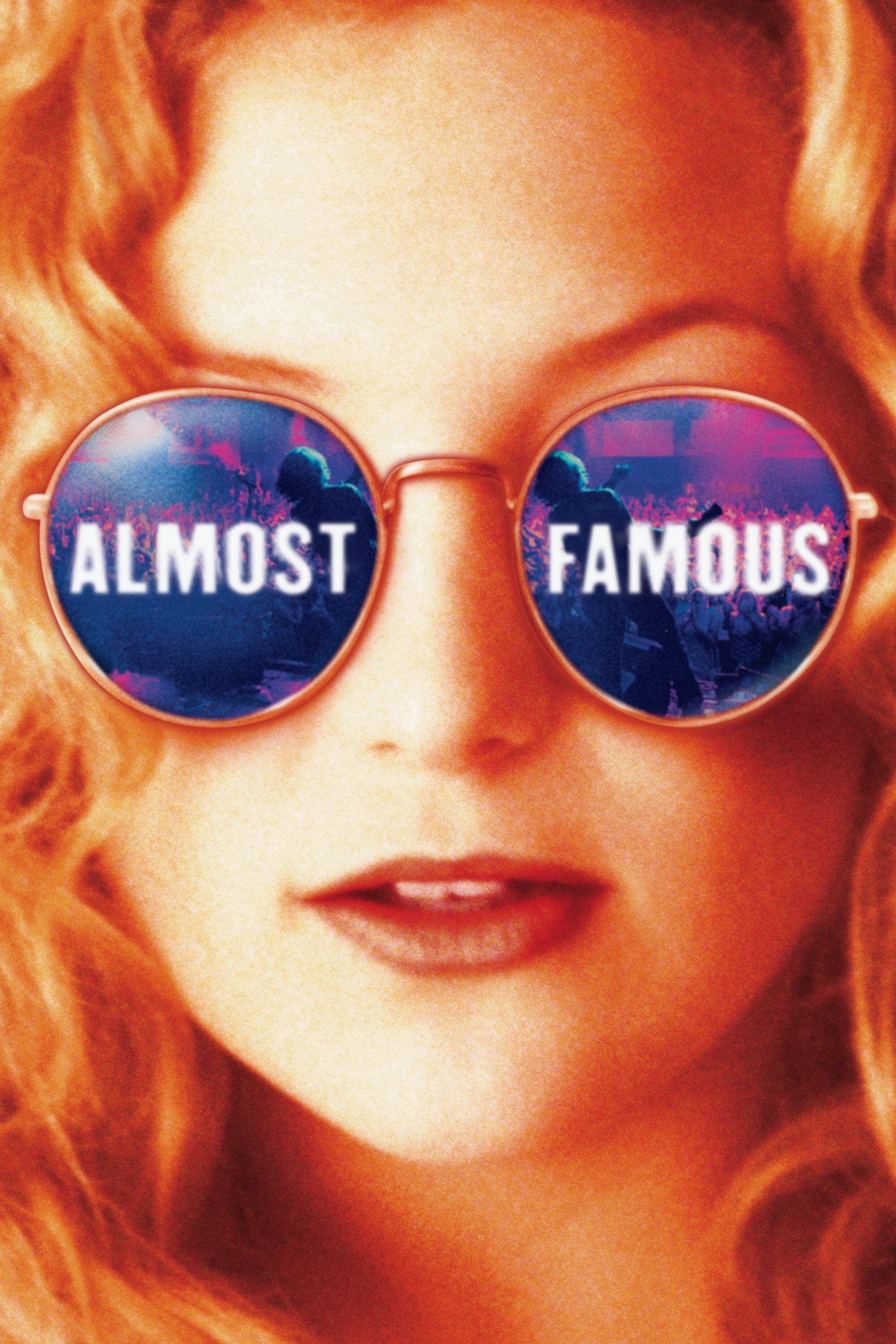
The first time I watched Almost Famous, it didn’t feel like I’d traveled back to the early 1970s so much as I’d been dropped right into the heart of someone else’s most poignant, uncertain teenage year. There is a restless ache to this film, a raw pulse underneath all the music, denim, and smoky bus windows. What struck me immediately wasn’t just the meticulous recreation of an era, but how director Cameron Crowe manages to tap into that universal feeling of longing—to belong, to be understood, to find your own tribe at that pivotal age. As a new viewer, that longing seeps into you, in quiet but sure waves you might not expect from what’s supposedly a “rock and roll” movie.
During my initial viewing, I was surprised by how the movie invited me in so gently. Instead of bombarding me with rockstar excess, it offered warmth, awkwardness, and small, vulnerable moments. I felt an immediate kinship with William, not necessarily because I dreamed of being a music journalist, but because I understood what it meant to idolize people—to see the world through the hazy, golden lens of youth, wincing at every misstep but thrilled at each new experience. Watching this film for the first time today still feels like discovering a time capsule filled not with dusty artifacts, but with emotions and questions that haven’t aged a day.
The soundtrack, too, has a way of pulling you in whether these songs are woven into your personal history or not. I remember the goosebumps I felt during the bus singalong to “Tiny Dancer”—even if I hadn’t grown up humming Elton John, that scene felt like a sudden, deep exhale. The sense of camaraderie, catharsis, and fleeting connection comes across in a way that feels both made for this generation and timeless. If you’re new to Almost Famous, chances are you’ll find yourself surprised at how much it feels like it’s speaking directly to you, and not merely to an audience from two decades ago.
In every frame, I sensed Crowe inviting me to observe without judgment: to feel every messy, complicated swell of young ambition and heartbreak. This is not a film that tells you how to feel. Instead, it opens a window, lets in the breeze, and gives you the room to find your own way in. That’s what made the experience of watching it as a first-timer so memorable for me—and I think it’s what continues to make it resonate with every new viewer who stumbles across its glow.
Emotional Moments That Resonate
What lingers most in my memory are the details—not just the big narrative pivots, but the everyday anxieties and hard-earned joys stitched into each character interaction. One moment that always flattens me is the quiet phone call between William and his mother, as he tries to reassure her of his safety on the road. It isn’t just about teenage rebellion or parental worry, but that aching tug-of-war between independence and the need to be wanted. The film’s gentle empathy helped me remember my own first taste of adulthood, and how I awkwardly juggled longing for freedom with the security of home.
Then there’s the sequence when Penny Lane, played with luminous vulnerability by Kate Hudson, finds herself on the edge of heartbreak. For me, her story was never purely about her relationship with the band—it was about the pain of loving someone who doesn’t always see you fully. Watching her mascara-smudged smile, I felt my guard slip; rarely do films allow their characters to be so brave and so fragile in the same breath. I recognized in her not just my own youthful heartbreaks, but the bittersweet thrill of trying to carve out your own legend in a world that keeps spinning faster than you can keep up with it.
The “Tiny Dancer” scene draws me back every time. Crowe crafts a rare on-screen moment where words become unnecessary, and a group of messy, beautiful souls are momentarily bound together by music—a wordless truce after a brutal argument, a communal healing. When I first saw it, I was reminded how art can draw together strangers with nothing in common and, if just for a stretch of chorus, make them family. It isn’t nostalgia; it’s a reminder that despite differences, simple shared joys can unite us. Even now, seeing modern audiences react to that scene shows me that this movie’s heart beat is evergreen.
There’s also the way the film captures those terrifying leaps of faith—when William blurts out his feelings, or when characters trust each other with vulnerable confessions. These moments rarely play out as neat resolutions. Instead, watching them unfold, I rediscovered how suspenseful, exhilarating, and full of risk the search for community really is. Almost Famous refuses to tie its revelations with a tidy bow. It allows space for regret, for growth, for delight in small victories. That honesty both comforted and challenged me, and I’ve seen it resonate even more deeply when watching alongside friends from newer generations who are themselves navigating uncertain beginnings.
How to Appreciate This Film Without Prior Knowledge
One of my favorite things about Almost Famous is how little you need to know before you start. You don’t need to have read Rolling Stone, you don’t have to be a devotee of 70s rock, and you can come to it without any particular affection for coming-of-age stories. When I pressed play for the first time, I worried that the film’s world might be closed off to me, a private party I’d arrived at decades late. But what I discovered is that the sincerity on display—every awkward introduction, every backstage confession—requires absolutely no background knowledge. You live in William’s shoes simply because you have a heart that remembers or anticipates what it means to be new at something.
It didn’t matter that I couldn’t name a single Led Zeppelin album when I first watched; the stakes of the story aren’t academic or historical, but emotional. I find that this film’s empathy for its characters lets you instantly understand their longings, fears, and missteps, even if you arrive without context. The script gently guides you into the era through behavior and feeling rather than jargon or trivia. I was won over not just by the wild adventures, but by the off-hand conversations, anxious glances, and wordless gestures—the sorts of things that transcend settings and decades.
For those who may feel intimidated about “getting” certain references, I’ve always felt the film’s greatest achievement is how it balances specificity with universality. It truly does not expect you to have done your homework beforehand, nor does it punish you for what you don’t know. Instead, it rewards your willingness to listen and feel. By the end, even scenes suffused with insider details or references to famous bands reveal themselves as metaphors for feelings we all know: wanting to belong, wanting our heroes to be worthy, risking vulnerability despite the odds. Every time I revisit it, I marvel at how easy it is to fall inside this world, no encyclopedic knowledge required.
Who This Film Is Best Suited For
- Anyone who has ever felt like an outsider hoping to find their place among people who understand them.
- Those who appreciate character-driven stories about growing up, falling down, and learning what really matters.
- Viewers craving a film that celebrates music, friendship, and the emotional chaos of youth without relying on cynicism or nostalgia.
A Beginner’s Final Recommendation
When I think back on my first journey through Almost Famous, what I remember most is not the specifics of William’s assignments or the names of real-life bands, but the warmth that greeted me in every scene. If you’re stepping into this film for the first time today, I want you to know that the film is gentle with new eyes—it meets you wherever you are, not expecting encyclopedic knowledge or subcultural expertise. It simply asks for your curiosity, a little openness, and the willingness to be surprised by the places art can reach you.
If you’re worried that this classic might feel out of touch, I trust you’ll be surprised by how refreshingly alive it still is. Its questions—about authenticity, love, and the price of chasing your dreams—are as current and urgent as ever. Even now, surrounded by screens and feeds and music at the click of a button, I’m reminded by this film that moments of genuine connection can still sneak up on us in the most unexpected ways. No matter how many times I see Almost Famous, I find new reminders not just of who I was, but of who I am now and who I want to be.
I hope you watch with an open mind and an open heart. I believe you’ll see yourself reflected in William’s journey, in Penny Lane’s longing, or even in the quiet endurance of his mother’s worry. Let yourself be carried away; let yourself linger in the spaces between notes and words. I can’t promise you’ll love every character, but I can assure you you’ll recognize some of your own fears and hopes in their stories. In sharing my own first experience, my only encouragement is to give yourself over to the messiness and wonder on offer. You don’t need to know the lyrics. You just need to listen.
To understand whether timeless appeal still resonates today, modern reassessments are worth exploring.
🎬 Check out today's best-selling movies on Amazon!
View Deals on Amazon