
The First-Time Viewing Experience
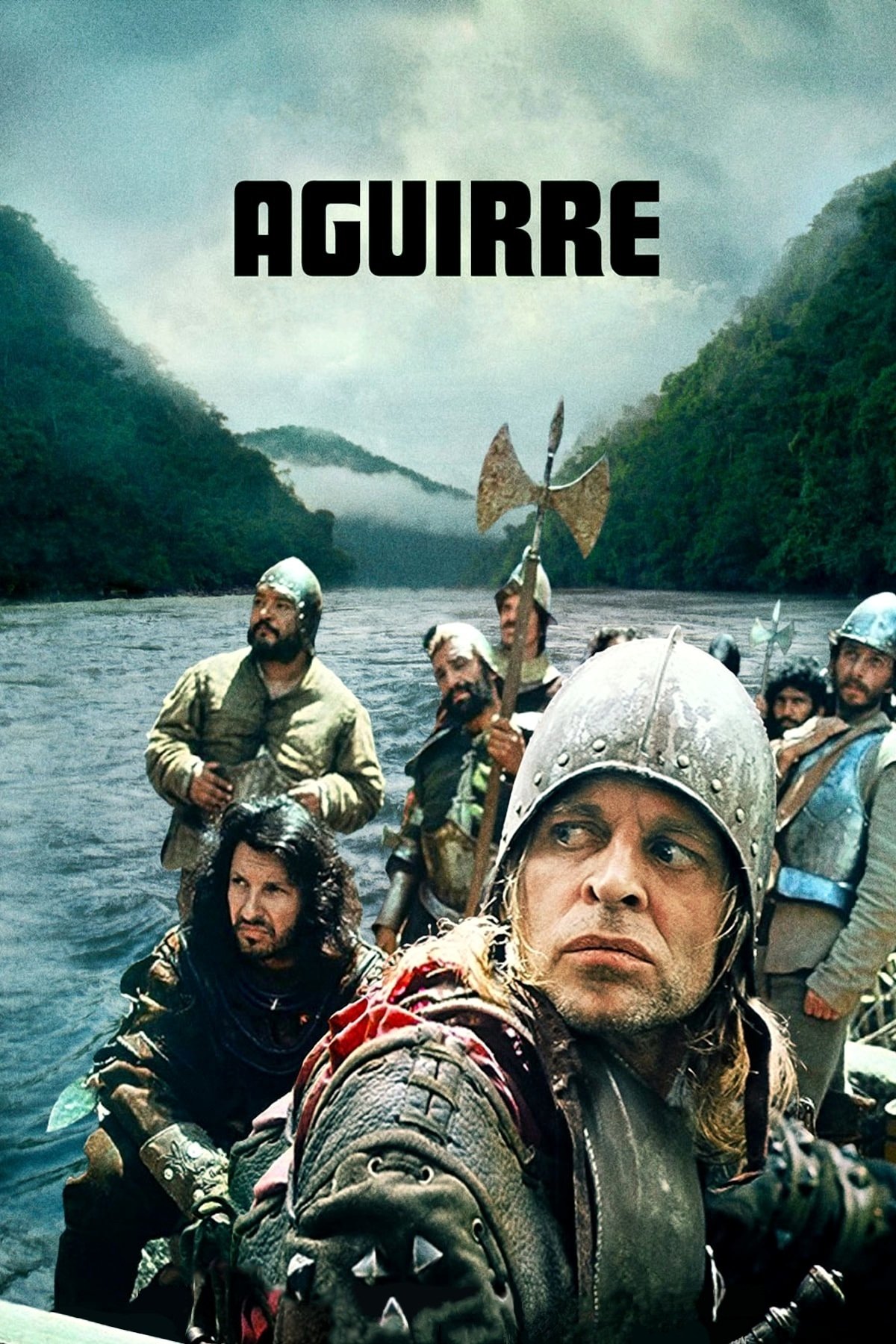
Embarking on a first viewing of “Aguirre, the Wrath of God” can feel a bit like drifting down an unknown river: you sense that you are entering a place both beautiful and threatening, full of mystery and unexpected currents. For many new viewers, the initial impression is a mixture of fascination and disorientation. The film’s slow, lingering visuals and haunting atmosphere set a tone that is quite unlike the fast-edited pace of most modern movies. There’s a hypnotic stillness to the way the camera dwells on the jungle landscape; you may feel mesmerized, as if you yourself have become part of the doomed expedition at the story’s core. Instead of quick, reassuring explanations, the film trusts you to accompany its characters through unsettling uncertainty and shifting group dynamics. This experience can be both exhilarating and unnerving, especially if you’re accustomed to adventure stories with clear-cut heroes. Here, you’re plunged into ambiguities—about leadership, sanity, and the limits of human ambition—without much warning. Yet with each passing scene, many first-time viewers find themselves drawn ever deeper, compelled by the strange charisma of Klaus Kinski’s Aguirre and by the immersive world that unfolds around him. The rainforest isn’t just a backdrop, but a living, breathing force—one that seems to watch and wait. As the film unfolds, it reveals not just the grandeur and danger of the environment, but also the complex knots that form in human hearts when faced with impossible odds.
Emotional Moments That Resonate
Certain scenes in “Aguirre, the Wrath of God” have a way of lingering in the memory long after the credits roll, touching something very deep in viewers even decades after the film’s release. One of the most affecting moments is the opening sequence: the conquistadors and their followers, resembling a winding, colorful river of humanity, descend an impossibly steep mountain. This single image, at once majestic and precarious, immediately creates a sense of awe and dread—the travelers look tiny and fragile against the immensity of nature. Later, emotional intensity builds in quieter, more intimate moments: a desperate glance between the doomed noblewoman Inez (Helena Rojo) and her resigned husband, or the lingering fear on the faces of soldiers caught in the overwhelming flood of the jungle’s dangers. But perhaps the strongest resonance comes during Aguirre’s feverish monologue toward the film’s end. Alone among wreckage and corpses, Kinski’s Aguirre proclaims his boundless, deranged ambition as a raft circles endlessly in the river’s current. His madness, both terrifying and oddly pitiable, speaks to anyone who has ever witnessed the destructive power of obsession and pride. Contemporary audiences, living in an age that still grapples with environmental collapse and overreaching ambition, often find these moments profoundly moving—the beauty and indifference of the natural world, the loneliness of those destroyed by their own desires, and the heartbreaking realization that no amount of willpower can tame the forces that shape our fates.
How to Appreciate This Film Without Prior Knowledge
One of the most inviting aspects of watching “Aguirre, the Wrath of God” is that you do not need to come equipped with historical background, film theory, or any specific expertise to be entranced by its world. The film’s impact does not rely on knowing the real history of the Spanish conquest or director Werner Herzog’s cinematic philosophy. Instead, its emotional language is universal. At its heart, this is a story about what happens when human dreams—however mighty or misguided—collide with forces beyond their control. Simply being open to the sights and sounds on screen allows the film’s poetry to work its spell. Herzog’s deliberate pacing encourages you to notice small details: the ripple of wind through the trees, a wary look shared among comrades, the hypnotic rhythm of the river. Let yourself become curious about what drives Aguirre and those who follow him, yet don’t worry if motivations seem tangled or if events take odd, unexpected turns. The film conveys meaning as much through atmosphere and mood as through dialogue or action. It is perfectly natural to feel puzzled or even a bit lost—those emotions are part of the journey and mirror what the characters are experiencing as well. If anything, approaching “Aguirre” without expectations can be an asset; you will be more likely to notice the spellbinding beauty of its visuals and the quiet terror woven into every step of the adventure. Trusting your own emotional responses—whether awe, unease, empathy, or confusion—will help you connect with the film in a way that feels both personal and profound.
Who This Film Is Best Suited For
- Curious explorers who enjoy atmospheric, thought-provoking storytelling and are eager to experience something outside typical Hollywood narratives.
- Viewers with a love for powerful imagery and unconventional filmmaking, who appreciate movies that linger in the memory and invite reflection rather than easy answers.
- Anyone drawn to stories of adventure and human ambition, even—or especially—when those stories challenge easy definitions of heroism and success.
A Beginner’s Final Recommendation
If this is your first time considering “Aguirre, the Wrath of God,” embrace the opportunity to enter a world that is rich with both visual poetry and emotional depth. Allow yourself to move at the film’s unhurried pace, trusting your own reactions and following the current wherever it leads. This is not a film that offers simple comforts; instead, it invites you on a journey as mysterious and unpredictable as the river itself. You may find yourself reflecting on the limits of ambition, the beauty and indifference of the natural world, or the restless human desire for meaning against impossible odds. Most importantly, remember that no prior study or preparation is necessary to be moved by what you see and hear. Your own fresh perspective is enough—you are exactly the viewer this film was made for. Trust the experience, welcome the uncertainty, and let “Aguirre, the Wrath of God” open up unexplored emotional landscapes for you. This is a cinematic adventure that will remain with you, changing and growing as you return to it in thought long after the film has ended. Welcome to the journey—your first viewing is a beginning, not an endpoint.
🎬 Check out today's best-selling movies on Amazon!
View Deals on Amazon