
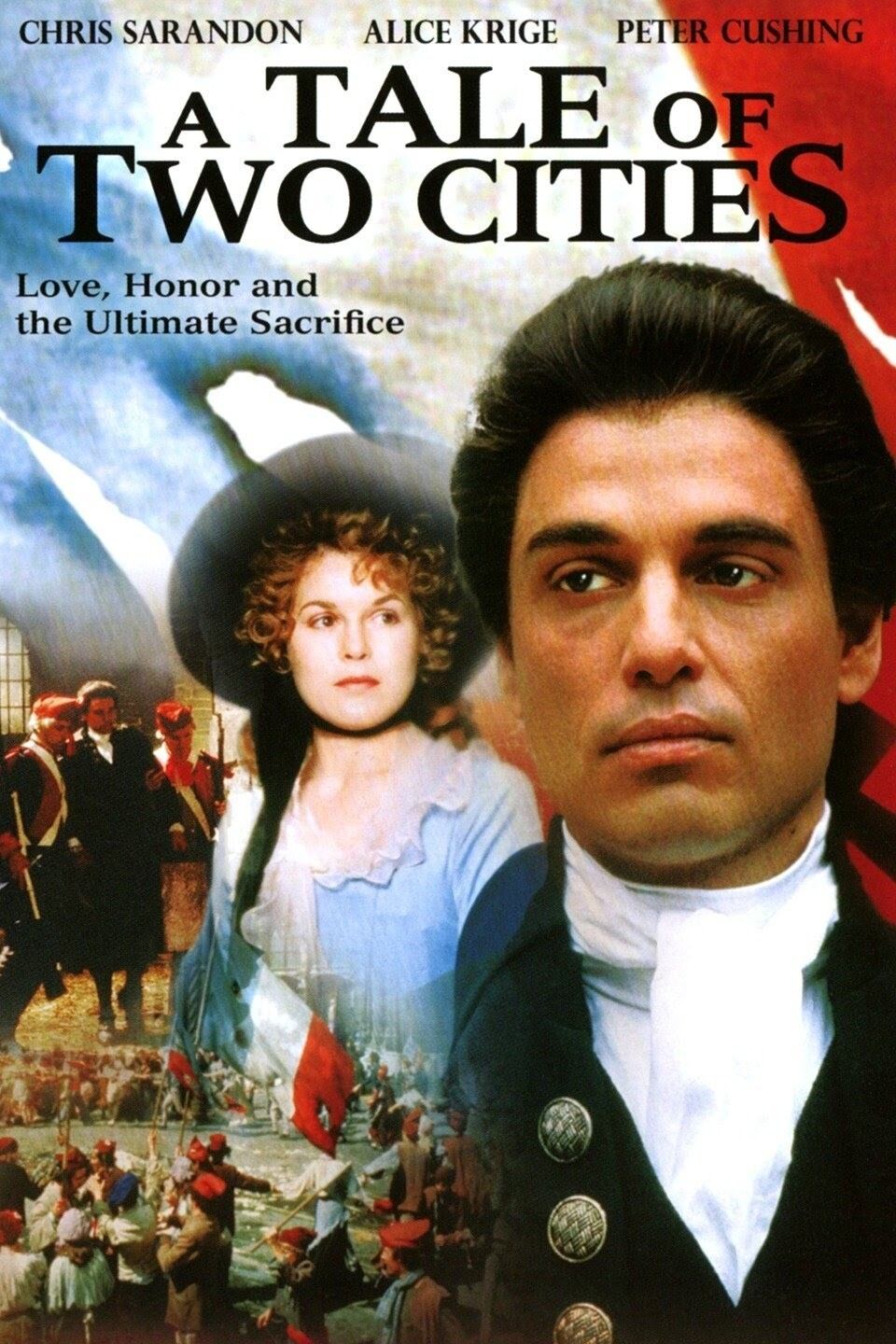
The First-Time Viewing Experience
To experience “A Tale of Two Cities” from 1935 for the first time is to step through a portal to both history and human feeling. As the opening credits fade into the atmospheric streets of 18th-century Paris and London, most new viewers feel a mixture of curiosity and awe. There’s something arresting about the film’s visual style—the stark contrasts of light and shadow, the bustling energy of crowds, the precision of its set pieces—that can transport even those unacquainted with older cinema. The story unfolds with a deliberate, measured pace, inviting you to fully immerse yourself in the world rather than merely watch from a distance. This sense of immersion is immediate and enveloping, with the distinctive look of black-and-white film quietly encouraging viewers to pay attention not just to events but to facial expressions, small gestures, and the often-unspoken subtleties between characters.
For many first-time viewers, there’s a gradual realization that the themes are surprisingly contemporary. The divisions caused by class, the push and pull of loyalty and love, and the brutal effects of revolution echo in ways that feel relevant even today. It’s not unusual to be struck by the intensity of these emotions, often conveyed with a restraint not commonly seen in more modern productions. The film’s performances, particularly Ronald Colman’s deeply felt portrayal of Sydney Carton, stir empathy and introspection. You might find yourself unexpectedly moved by the character’s arc—even if you had little prior interest in literary adaptations or historical dramas. The experience is akin to reading a beloved old story for the first time and, through the film’s lens, discovering how enduring and personal these tales can feel.
As you watch, the atmosphere conjured by director Jack Conway and his team draws you into a world at once familiar and foreign. The formal dialogue, stately costumes, and elaborate street scenes remind you that this is a different era, while the underlying humanity makes it profoundly accessible. The slow build toward upheaval and sacrifice gives new viewers space to reflect, to consider the decisions at hand, and to engage with the moral questions at the film’s core. This sense of contemplation is rare in contemporary cinema, offering new audiences not just a story to follow, but an environment in which to pause, think, and feel.
Emotional Moments That Resonate
“A Tale of Two Cities” is woven through with scenes that tug at the heart, but several tend to linger with modern viewers. The courtroom trial scene stands out for its tension and gravity: it’s not just the suspense of the verdict, but also the way it exposes the fragile nature of justice when society itself is in turmoil. Watching characters wrestle with truth and conscience, viewers may find themselves ruminating on the blurred lines between guilt and redemption—a dilemma as relatable now as it was then.
The scenes between Sydney Carton and Lucie Manette carry a quiet, aching poignancy. Carton’s vulnerability, his moments of self-doubt and yearning, are rendered with such subtlety that even those unfamiliar with his literary legacy can’t help but feel for him. In particular, the moment where Carton pledges his devotion to Lucie, knowing he can never be with her, often draws out deep empathy from new audiences. The film’s restraint only heightens the emotional charge, allowing the pain and nobility of unrequited love to bloom in the silence between words.
Arguably most affecting is the film’s closing sequence—a masterclass in understated emotional power. Carton’s final decision and the quiet grace with which he meets his fate stand as an enduring image of self-sacrifice. In today’s world, where cynicism can sometimes run high, witnessing such depth of character and altruism on screen can catch first-time viewers off guard, stirring sensitivity and introspection. Viewers frequently report a sense of catharsis—a profound connection with the universal themes of hope, forgiveness, and the possibility of redemption, all etched with haunting beauty into the final moments of the film.
How to Appreciate This Film Without Prior Knowledge
Approaching “A Tale of Two Cities” with no prior exposure to Charles Dickens, or even to classic Hollywood filmmaking, is not a barrier—it’s an opportunity. The film is masterful at unfolding its narrative clearly and evocatively, embracing newcomers warmly. Even if the political context or history of the French Revolution feels distant, the characters’ personal journeys are front and center, forming the emotional backbone of the film. Viewers needn’t worry about catching every historical allusion or literary nuance; instead, the film invites you to follow the feelings, the faces, and the small acts of courage and compassion that populate the story.
Let yourself be drawn in by the visual storytelling: the way the camera lingers on trembling hands, the use of shadow and light to set mood, the careful staging of large and small moments alike. Notice how reactions—expressed in glances, silences, and subtly shifting relationships—tell you just as much as the dialogue. The filmmakers guide the audience through colorless cityscapes and crowded courtrooms, ensuring that even newcomers never feel lost. The slow unfolding is purposeful; it encourages immersion rather than requiring fast-paced attention.
Perhaps most reassuringly, there’s no need to have read the novel or even to have a particular fondness for historical tales. The story’s heart lies in experiences that resonate widely: longing, regret, courage, and the hope for a better world. Whether you come for the grandeur of history, the intricacies of character, or simply to try a genre outside your comfort zone, the film’s emotional clarity and warmth are sure to draw you in. Trust that with open eyes and patience, you’ll find the universal threads that have captivated audiences for generations—even if this is your very first Dickens adaptation.
Who This Film Is Best Suited For
- Viewers interested in stories of redemption and human resilience
- Fans of classic Hollywood filmmaking and beautifully crafted period dramas
- Those who enjoy emotionally driven narratives with timeless, universal themes
A Beginner’s Final Recommendation
If you are new to “A Tale of Two Cities,” allow yourself the grace of discovering this film at your own pace. It’s not a film that demands expertise or encyclopedic knowledge, but rather one that welcomes your genuine reactions moment by moment. Remember, each viewing is a first for someone; your impressions, hesitations, and emotional responses are all entirely valid. Let the film wash over you: be open to its beauty, its lingering silences, and its carefully constructed world that speaks directly to the heart.
This cinematic journey is not merely a window into another era but a mirror reflecting the complexities of the human soul. Whether you watch alone, savoring its quiet intricacies, or with others, sharing in the lived experience of its story, “A Tale of Two Cities” offers something deeply rewarding for every kind of viewer. Don’t worry about catching every detail on your first watch—focus instead on the spirit of the film, the stirring emotions it evokes, and the way it kindles empathy across time and circumstance.
As you finish the film, you may find yourself pondering its characters and choices long after the screen goes dark. This is the special magic of a true classic: its message stays with you, deepening with each reflection. For your first experience, let curiosity and feeling be your guide, and trust that you’re in excellent company, joining generations who have been moved by this powerful tale of sacrifice and hope. Embrace the journey and let this film be both a challenge and a comfort—the perfect initiation into the timeless world of classic cinema.
🎬 Check out today's best-selling movies on Amazon!
View Deals on Amazon