
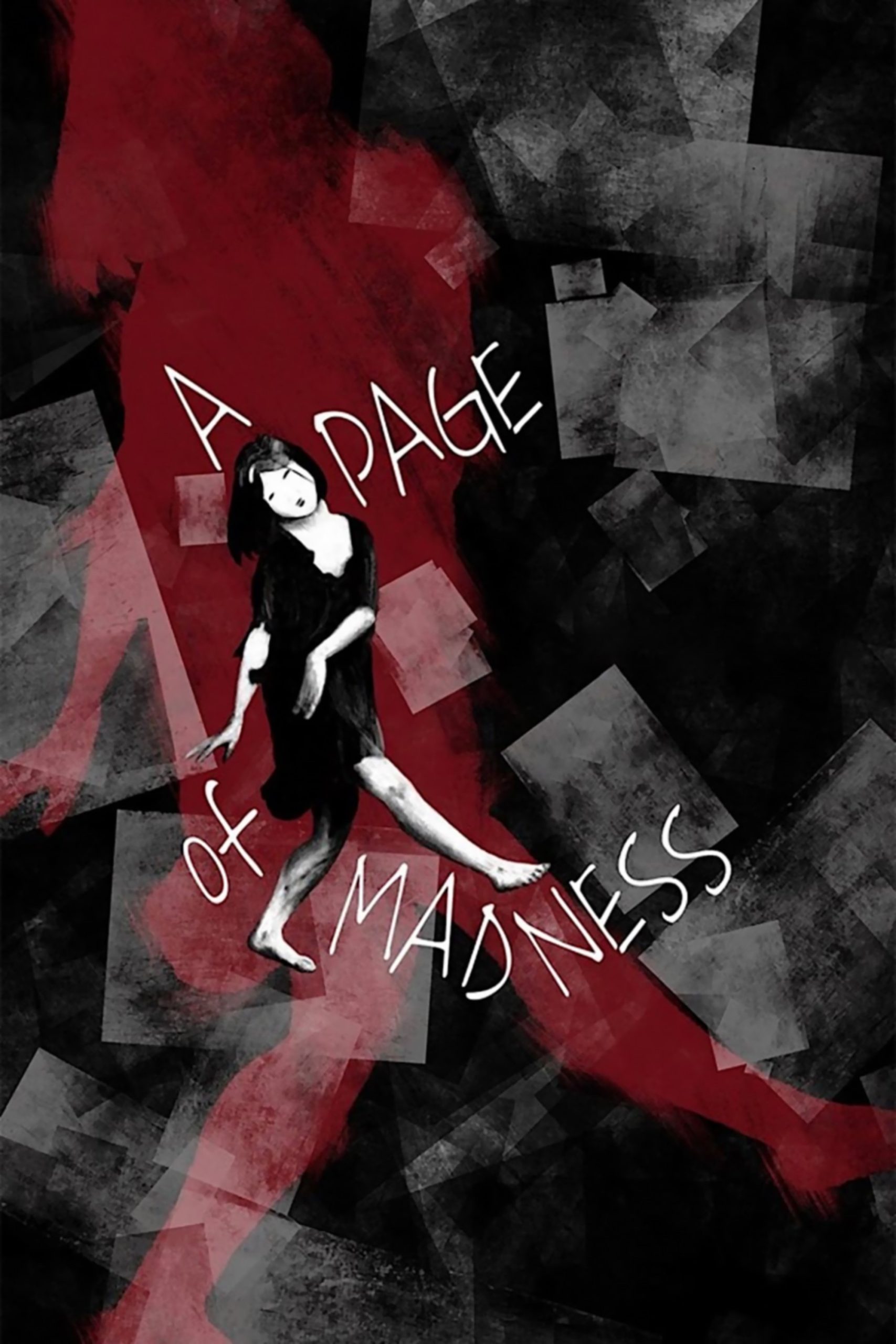
The First-Time Viewing Experience
To watch A Page of Madness for the first time is to enter a completely singular world—a dreamscape rendered in flickering black and white, almost untethered from time. New viewers frequently find themselves immediately disoriented, even before they notice the absence of intertitles. The film washes over you with waves of unconventional images and editing rhythms, and initially, this may stir up feelings of confusion or unease. It’s not an experience where the narrative announces itself clearly; instead, the emotional language of movement, lighting, and distorted faces becomes your main guide. First-time watchers often describe a sensation of being swept into a stream of consciousness—like walking into someone else’s turbulent psyche without a map.
This lack of clear signposts might feel intimidating at first. But as the film unfolds, viewers start to realize that they’re not meant to solve a puzzle so much as to breathe in the ambience of empathy and uncertainty it creates. There’s a slow-building intimacy with the story’s world: the oppressive spaces of the mental institution, the silent anguish of its inhabitants, and the desperation of a father seeking redemption. Even today, the effect can be mesmerizing—what begins in anxious confusion can transform, by the end, into fascination and a profound sense of connection to a distant, troubled humanity. The urge to revisit scenes, or to discuss them, often lingers long after the final frame. This first encounter with A Page of Madness is less about immediate understanding, and more about absorbing an unforgettable journey that unspools in the language of feeling rather than words.
Emotional Moments That Resonate
Certain images and sequences in A Page of Madness have a lasting emotional power that transcends era and culture, lingering with new viewers long after the film ends. The portrayal of the wife—her wide, fearful eyes peering from behind doors or through the veil of madness—strikes at the heart. Many first-time audiences are moved by the way her suffering is depicted without dialogue; her isolation and confusion become universally understandable, reflected in her gestures and defeated posture.
Another moment that modern viewers often find affecting is the repeated imagery of rain, both inside and outside the asylum. Rain falls not just as weather, but as a symbol of the characters’ inescapable mental torment. The father’s moments of longing and remorse—the way he clings to memories of happier days, the heartbreak in his face as he tries to reach his wife—are quietly devastating. The visual motif of keys and doors, as he seeks a way to free her from the institution, mirrors the emotional quest for connection and forgiveness that resonates across generations.
Importantly, the film’s abstract and sometimes surreal presentation of its characters’ subjective states can awaken empathy even in those who have never faced such circumstances. Viewers today, living in a world still wrestling with stigma around mental health, may be especially moved seeing 1920s filmmakers express such compassion through cinematic form. The chaos and beauty of the dance sequence, the flickering masks, and the father’s silent struggle to communicate all speak directly to the heart, inviting emotional reflection rather than intellectual analysis. These poetic moments tend to echo inside modern viewers, sparking a deeper curiosity and a sense of timeless kinship.
How to Appreciate This Film Without Prior Knowledge
If you come to A Page of Madness with little or no background in silent cinema, Japanese film, or avant-garde art, rest assured: your honesty of perspective is precious. You don’t need expertise or encyclopedic knowledge to embrace what makes this film special. In fact, entering this strange, evocative world with open curiosity can give you a fresh sense of discovery that seasoned cinephiles envy.
Appreciating this film is less about deciphering every plot point and more about surrendering to its unique rhythms and textures. The narrative doesn’t spoon-feed you—there are no traditional title cards to explain each scene. This may be challenging, but it is also liberating. Listen to the images and sounds (whether a modern score or silence); feel how the shifting light and shadow convey thoughts and emotions that words might miss. Let yourself respond emotionally, without pressure to “get it all.”
You’re invited to appreciate the care with which director Teinosuke Kinugasa assembled each movement and expression, knowing that he trusted viewers to interpret things for themselves. If you find a scene beautiful, frightening, or sad, that feeling is valid—regardless of whether you could put it into context. There’s no perfect way to watch this film; by being attentive and open, you’re already engaging with it as the original audiences once did. It’s a film that rewards patience and sensitivity, and your impressions, unmediated by expectations, are a gift to your viewing experience. Dive in; let the images move you naturally.
Who This Film Is Best Suited For
- Lovers of atmospheric, visually striking cinema seeking an emotional, rather than literal, story
- Viewers curious about global film history or the evolution of silent and experimental film
- Anyone drawn to art that explores mental health and human empathy in innovative ways
A Beginner’s Final Recommendation
If you’re considering watching A Page of Madness for the first time, take heart—this is a film that meets every viewer where they are, regardless of experience or background. Allow yourself to enter bravely, with patience and openness, knowing that confusion or uncertainty is part of the journey. Rather than striving for perfect comprehension, let the film’s visual poetry, haunting atmosphere, and raw emotion guide you.
Don’t worry about what you’re “supposed” to see; respond sincerely to what you do see and feel. Every impression, every chill or pang of empathy, is valid and meaningful. If you feel unsettled or inspired or moved, you are sharing in the film’s intended effect. Discuss what stays with you, or simply let it simmer in your thoughts for a while. You might even find yourself wanting to revisit the film, to discover new layers and nuances with each viewing.
Approaching A Page of Madness as a beginner is not a disadvantage—it is an invitation. This film rewards your attention, your willingness to experience something unconventional, and your compassion for characters who speak to us without words. Step into its shadowy corridors with trust, and you may come away with memories and impressions as vivid as any classic tale. Your first encounter can be a quietly powerful passage into the world of classic global cinema, marking the beginning of a deeply personal exploration. Welcome to the adventure.
🎬 Check out today's best-selling movies on Amazon!
View Deals on Amazon