
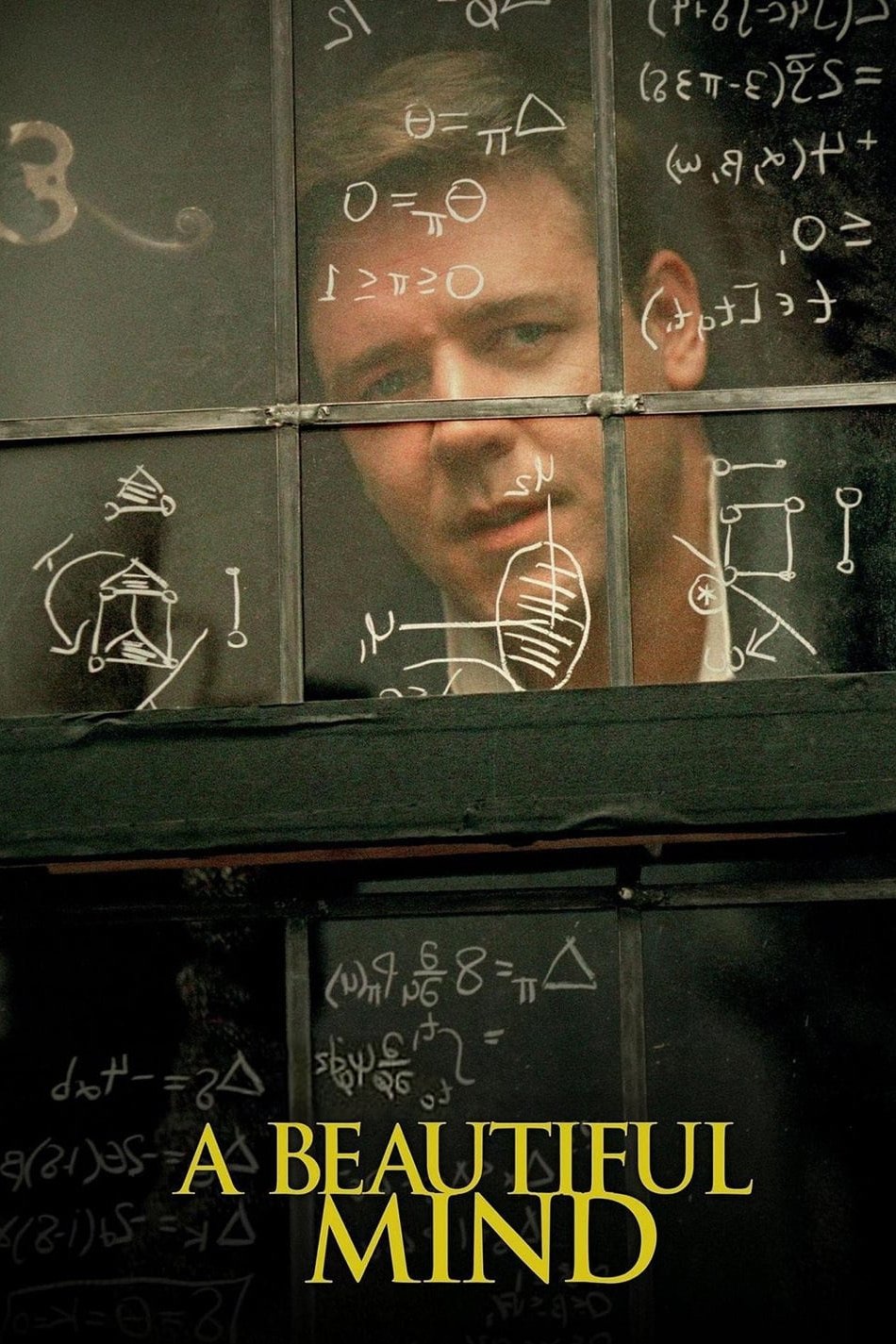
The First-Time Viewing Experience
Settling in to watch A Beautiful Mind for the first time can feel like embarking on an intimate journey through the labyrinth of human genius and vulnerability. The film gently introduces you to John Nash, a brilliant but socially awkward mathematician, and almost immediately establishes a world infused with both intellectual ambition and quiet longing for acceptance. For new viewers, there’s an immediate sense of intrigue—what lies beneath the surface of Nash’s academic brilliance? As the story unfolds, a tapestry of suspense and empathy emerges, leading you to feel both curiosity and tenderness for its central figure. The film crafts an invitation: not just to watch, but to experience Nash’s struggles and triumphs from the inside out.
First-time audiences today find themselves swept into the evolving tension as Nash’s grip on reality becomes less certain. Even if you know nothing about mathematics or the historical figure behind the story, the film’s blend of discovery, vulnerability, and hope creates a fresh sense of connection. Modern viewers often remark on the movie’s immersive atmosphere—carefully balanced between the cerebral world of academic competition and the emotional terrain of romantic and mental health challenges. As you follow Nash through his unpredictable journey, you quickly realize that this is a classic that rewards emotional openness, compassion, and a willingness to see the world through unfamiliar eyes.
Emotional Moments That Resonate
The film shines with emotionally charged sequences that often catch new viewers off-guard. One such moment is Nash’s early days at Princeton, where the pressure of standing out among brilliant contemporaries is palpable—so universal in its depiction of human vulnerability that it feels achingly relatable. Then, there is the quietly powerful blossoming of Nash’s relationship with Alicia—her steadfast warmth providing an anchor amid the escalating inner chaos that Nash faces. Many first-time viewers remember feeling a knot in their stomach when Nash’s reality and delusion begin to collide, leading to painfully honest confrontations that touch on the heart of trust, love, and resilience.
Moving deeper into the story, viewers often find themselves deeply affected by scenes confronting the reality of mental illness. Nash’s struggle to distinguish reality from hallucination is handled with both artistry and empathy, ensuring his experiences feel heartbreakingly genuine. Alicia’s patience and devotion, particularly in the moments when Nash’s illness threatens to undo their life together, evoke strong feelings of hope and empathy. The film’s depiction of perseverance—not just in academic achievement, but against the shifting tides of the mind—resonates strongly in today’s world, where conversations about mental health are more open but still profoundly needed.
Finally, the conclusion, centered on recognition and acceptance, leaves viewers feeling uplifted and moved. Nash’s acceptance of his own reality, and the way his community embraces him, continues to offer reassurance that hope, connection, and dignity are possible even amidst life’s greatest challenges.
How to Appreciate This Film Without Prior Knowledge
If you come to A Beautiful Mind with no background in mathematics, psychiatry, or the biographies of historical figures, rest assured: the heart of the film lies far beyond technical details. The pleasure of watching this film for the first time is that it asks nothing of you except your attention and empathy. You do not need to decipher the equations written on blackboards or understand every reference to Cold War intrigue. Instead, you can simply allow yourself to be guided by the characters’ emotional landscapes. The film smartly uses the language of cinema—music, lighting, camera movement, and performance—to help viewers identify with Nash’s state of mind, even when his reality feels disorienting.
Allow yourself to be present, noticing how the story unfolds from Nash’s perspective. The director, Ron Howard, quietly invites you to question what you see and feel, fostering a gentle suspense that keeps you involved throughout. If a plot twist surprises or unsettles you, embrace that sensation—such responses bring you closer to John Nash’s own uncertainty and transformation. The film’s real power arises in its search for meaning within chaos, love within confusion, and dignity against all odds. Your own background, whether in science or the arts, is simply not a barrier to appreciating the depth and warmth at the film’s core.
Who This Film Is Best Suited For
- Viewers drawn to deeply emotional character studies and personal triumphs
- Those interested in cinematic explorations of mental health and resilience
- Anyone seeking an uplifting story about love, acceptance, and human complexity
A Beginner’s Final Recommendation
Stepping into the world of A Beautiful Mind for the first time is a rewarding act of openness and curiosity. Let yourself feel alongside the characters—embrace confusion when it arises, celebrate moments of joy, and reflect on the transformative value of compassion. The film holds profound lessons that are as meaningful for those who know nothing about John Nash as for those well-versed in math or history. Don’t worry about catching every nuance; the film will draw you along if you simply bring your willingness to listen and feel. Allow its message of understanding and resilience to wash over you, and know that your fresh perspective is actually the perfect way to experience this classic. Every first viewing is a unique discovery, and yours will be no exception—trust in your emotional responses, and enjoy the beauty and humanity woven through every scene.
🎬 Check out today's best-selling movies on Amazon!
View Deals on Amazon