
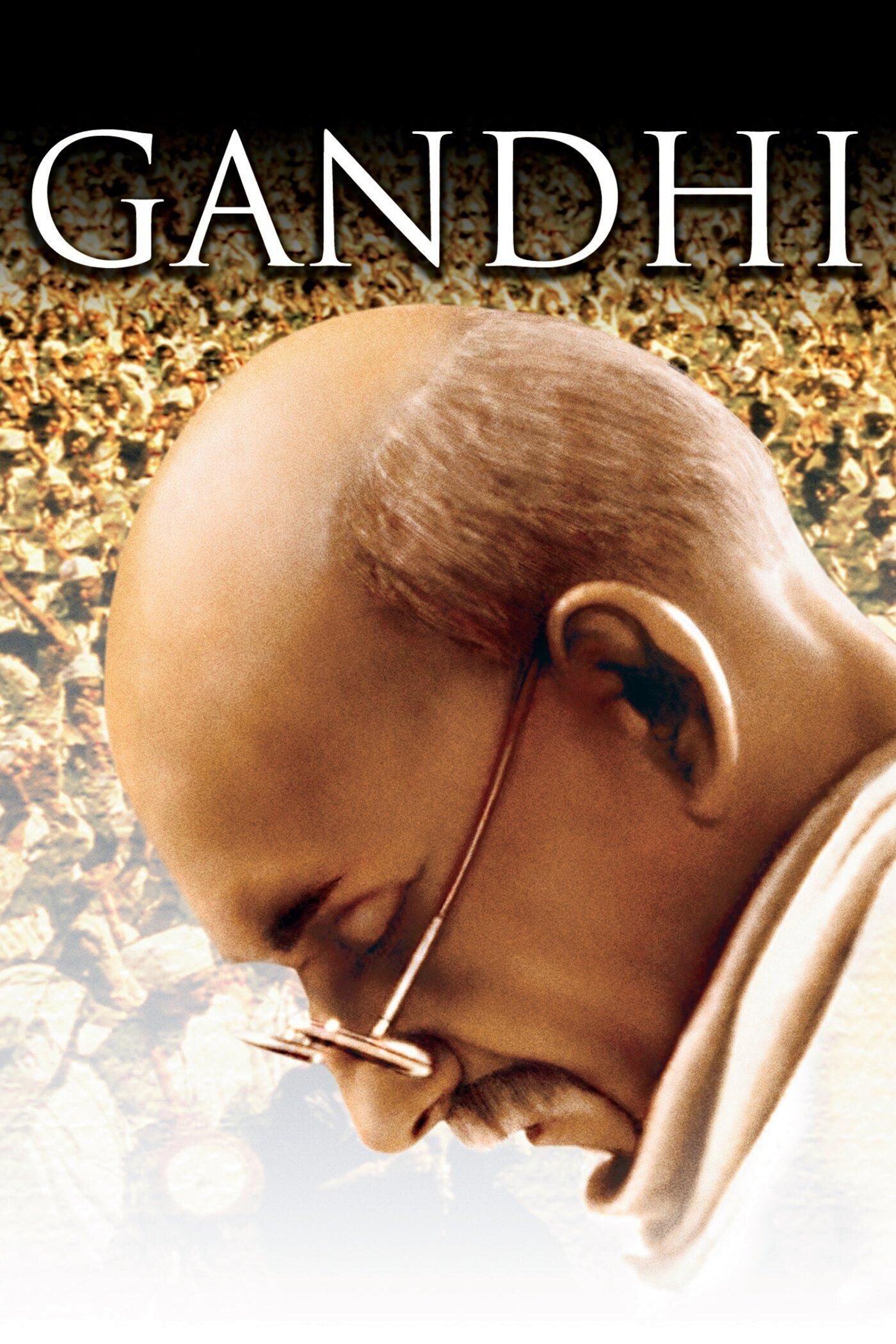
Why This Film Is Beginner-Friendly
I remember the first time I sat down to watch “Gandhi.” I felt a little nervous, unsure if I’d get lost in old-fashioned techniques or distant history. To my surprise, the experience was so inviting — this movie truly takes its time to let you connect, rather than expecting you to have deep knowledge of either filmmaking or the events it portrays. The language is accessible and the emotions are universal, so I found myself far more absorbed than I thought possible. “Gandhi” doesn’t assume you’re an expert on its subject or its style. I felt like it took my hand and gently drew me into the world, step by step, rather than tossing me into the deep end. The performances are incredibly natural — especially Ben Kingsley’s, which doesn’t come across as “old” or “staged.” For anyone who’s never dipped a toe into classic cinema, I found that “Gandhi” is generous with its storytelling, giving you plenty of space to catch up, process events, and genuinely feel. It also benefits from being shot in color and with sweeping, vivid locations, so it never felt visually distant or inaccessible to my modern eyes. Even if period dramas aren’t usually my thing, I found “Gandhi” delivered moments that felt utterly timeless and easy for a newcomer to appreciate.
What to Know Before Watching
- Some of the historical and cultural specifics might feel unfamiliar if, like me, you hadn’t learned much about India’s colonial history in school. The film references real figures, religious rituals, and political movements. I was surprised by how natural it became to follow these elements after the first few scenes, as the film does a good job of grounding you — but it’s helpful to know going in that some context will become clearer as you watch.
- Unlike the punchy pacing of today’s blockbusters, “Gandhi” unfolds at a far slower, more thoughtful rhythm. There are long stretches where the camera lingers on conversations or on moments of reflection. At first, I expected each scene to quickly lead to the next, but I realized the movie wants you to sit with the characters, not just watch what happens to them. This is a shift from the quick, always-moving style of most modern movies.
- I also found myself surprised by just how massive the set pieces looked — there are grand crowds and immense outdoor scenes, with thousands of extras, all filmed before digital effects were common. I was also unprepared for how much humor and warmth could peep through in the quieter, more intimate moments. It reminded me that older films aren’t always somber or overly formal; sometimes the emotional textures are richer than in more recent movies.
Key Things to Pay Attention To
When I watch “Gandhi” — especially as someone who didn’t grow up with classic films — I have to remind myself to focus on the people, not just the politics. For me, the heart of the film is in Ben Kingsley’s portrayal of Gandhi himself. I found it fascinating to watch his face: even small changes in his eyes or posture seem to communicate enormous shifts in resolve or doubt. The film asks you to pay attention to the power of non-verbal storytelling, from tight close-ups to wordless crowd scenes. I noticed that supporting characters, even those who don’t speak much, are given space to make an impression — and their relationships with Gandhi show as much through tone and gesture as through dialogue. I’m often captivated by how the movie uses color and sunlight, bathing its scenes in warmth or, as the story grows more troubled, in harsher light and deeper shadows. I try to keep an eye out for details in costumes, street settings, and ceremonial events, since they quietly sketch out the era in a way that isn’t overwhelming. Most of all, I try to let the longer, quieter moments wash over me rather than expecting constant action — I’ve found there’s something profoundly meditative about the way this movie wants you to watch, listen, and reflect.
Common Misunderstandings for First-Time Viewers
- Misunderstanding 1 – Some people might expect “Gandhi” to be relentlessly serious or dry because of its reputation as a classic epic — but I’ve found it surprisingly approachable and human, with many gentle touches of humor and personal warmth mixed into the drama.
- Misunderstanding 2 – I sometimes hear the idea that you need to know Indian history or British colonial background to follow the story. While a little outside knowledge never hurts, my experience was that the essential emotional arcs and conflicts are explained and explored so clearly, you can follow Gandhi’s journey without specialized knowledge.
- Misunderstanding 3 – Given that the movie is over three hours long, I worried it would be exhausting or feel endless. Actually, I was surprised at how the story’s structure — divided into distinct chapters and locations — helped me stay engaged and oriented, almost as if I were moving through a series of vivid novellas instead of one long tale.
Is This a Good Starting Point for Classic Cinema?
If I had to choose just one film to recommend to a newcomer to classic cinema, “Gandhi” would be right near the top of my list. There’s a generosity to the storytelling that I genuinely appreciate — it doesn’t expect you to know its subject in advance or to have sat through decades of older movies. The pacing, although measured, allows for total absorption in its world. And visually, it has the richness and polish of a modern prestige production, making it much easier on the eyes than you might find with black-and-white or lower-budget classics. Personally, I felt that “Gandhi” made me rethink what a “classic” really is; I’d always pictured classics as stuffy or remote, but this film was emotionally immediate and visually inviting. Even though it’s an epic historical piece, I didn’t feel like an outsider — the emotional truths, the ethical dilemmas, and the personal moments all felt as fresh as any contemporary drama. Honestly, if you’re new to classic films and you want a gateway that’s both moving and accessible, I can’t think of many better places to start. It opened the door for me, and I think it has the power to do the same for you. All you need is an open mind and a little patience — I’m confident you’ll find rewards that will stick with you long after the credits roll.
If you’re wondering how this film compares to others that have stood the test of time, these may help.
🎬 Check out today's best-selling movies on Amazon!
View Deals on Amazon